Aeronautical design and unmanned aircraft systems
The CSIR was the birthplace of the Rooivalk helicopter and played a pivotal role in the development of Denel’s suite of missiles at the time of its release. New materials and advanced technologies, new techniques and changing needs ensure our design team continuously pushes boundaries.
Contact information:
Highlights
Research platform for experimental design
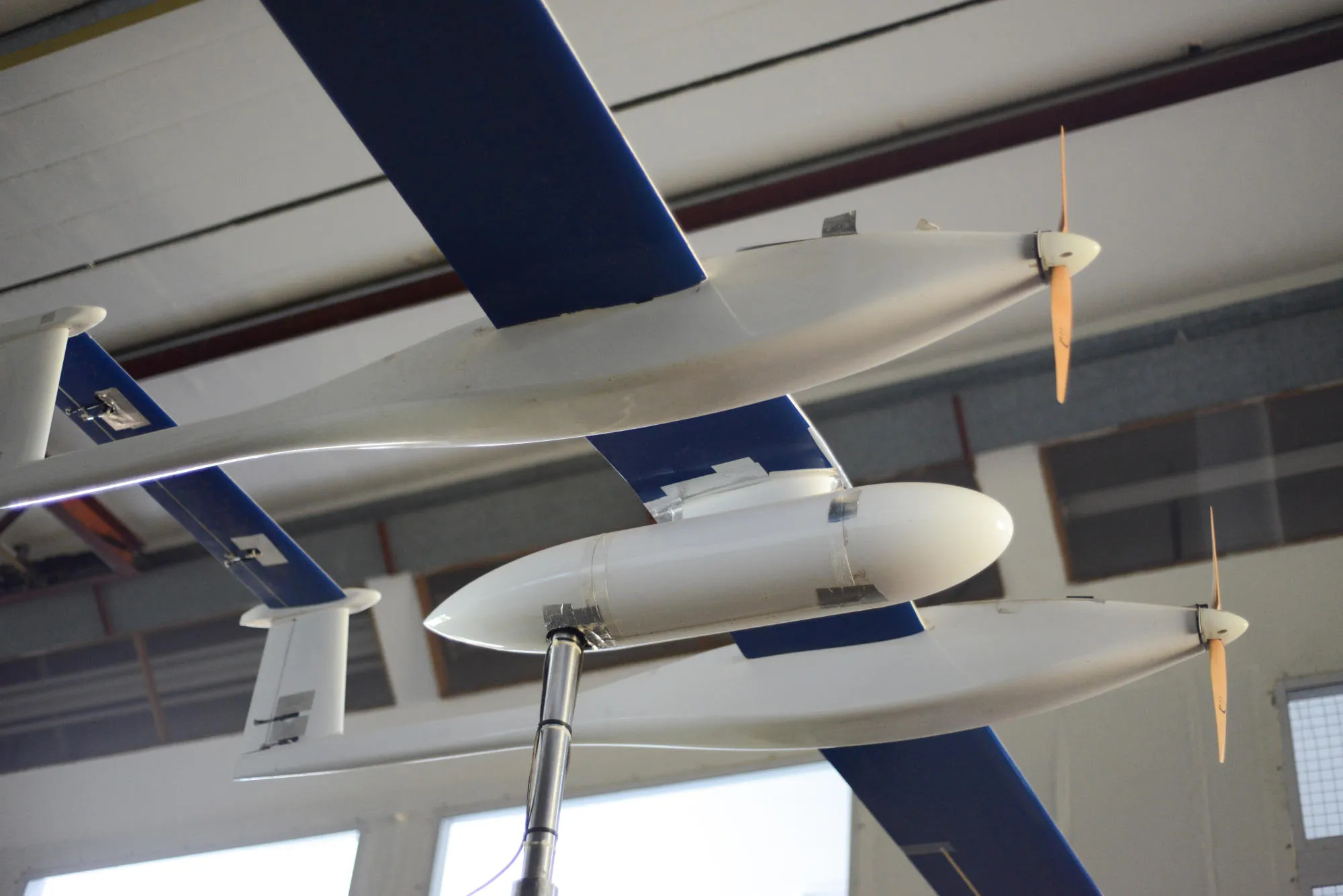
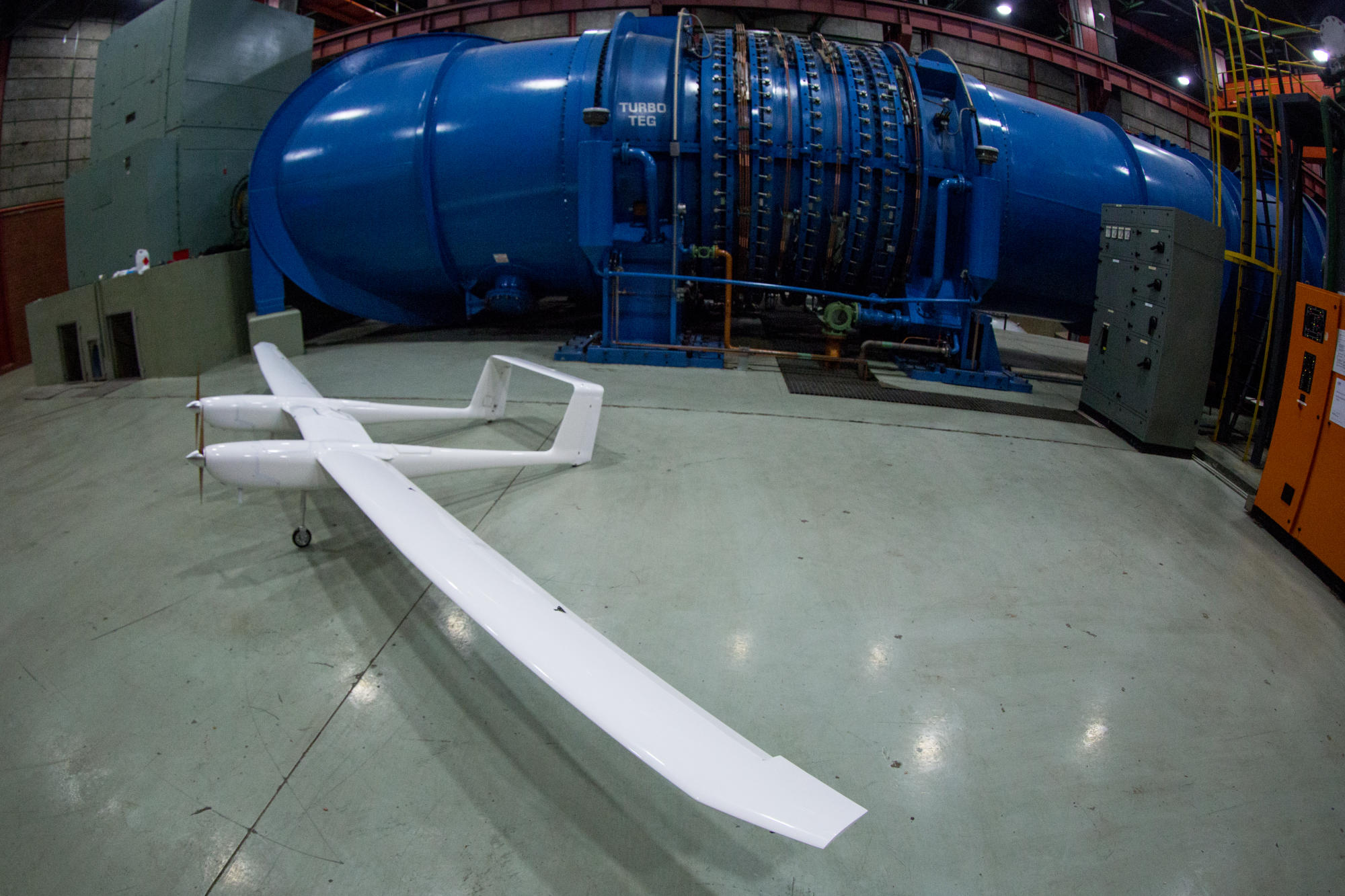
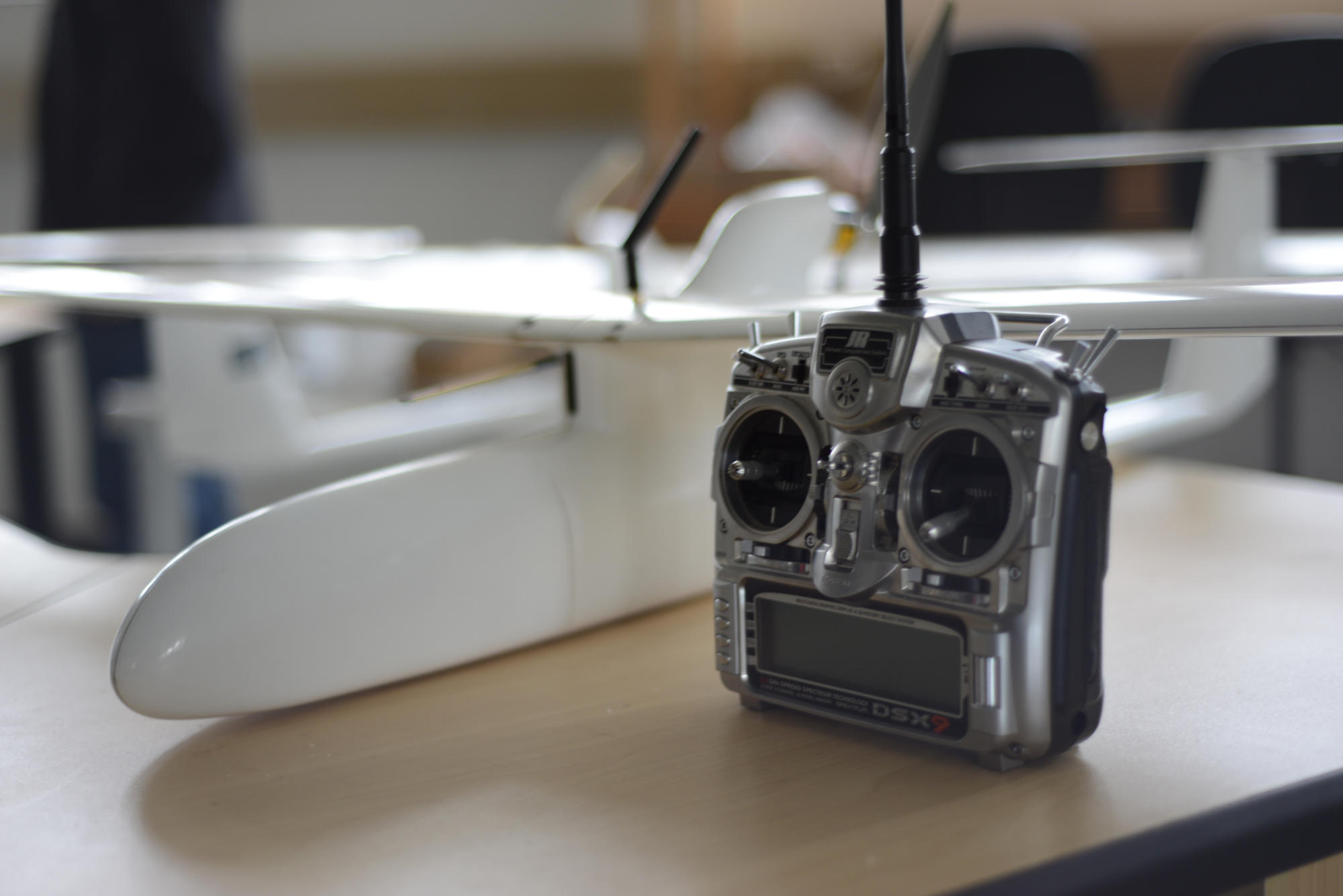
The CSIR’s long-endurance modular unmanned aerial vehicle – or LEMU – is a research platform used to validate novel technology components or basic subsystems by integration and demonstration in a relevant flight environment. A central hard point on the wing provides the capability to mount custom-sized payload pods. All major aerodynamic control surfaces (ailerons, elevator, rudders and flaps) are replicated (exist on both sides), introducing redundancy into the airframe. A horizontal stabiliser joins the two vertical fins. It operates as internal combustion, electric and hydrogen fuel cell variants to achieve long flight times for surveillance, border patrol and other missions. We use LEMU as research platform in collaborations with universities.
Working on hydrogen-powered designs
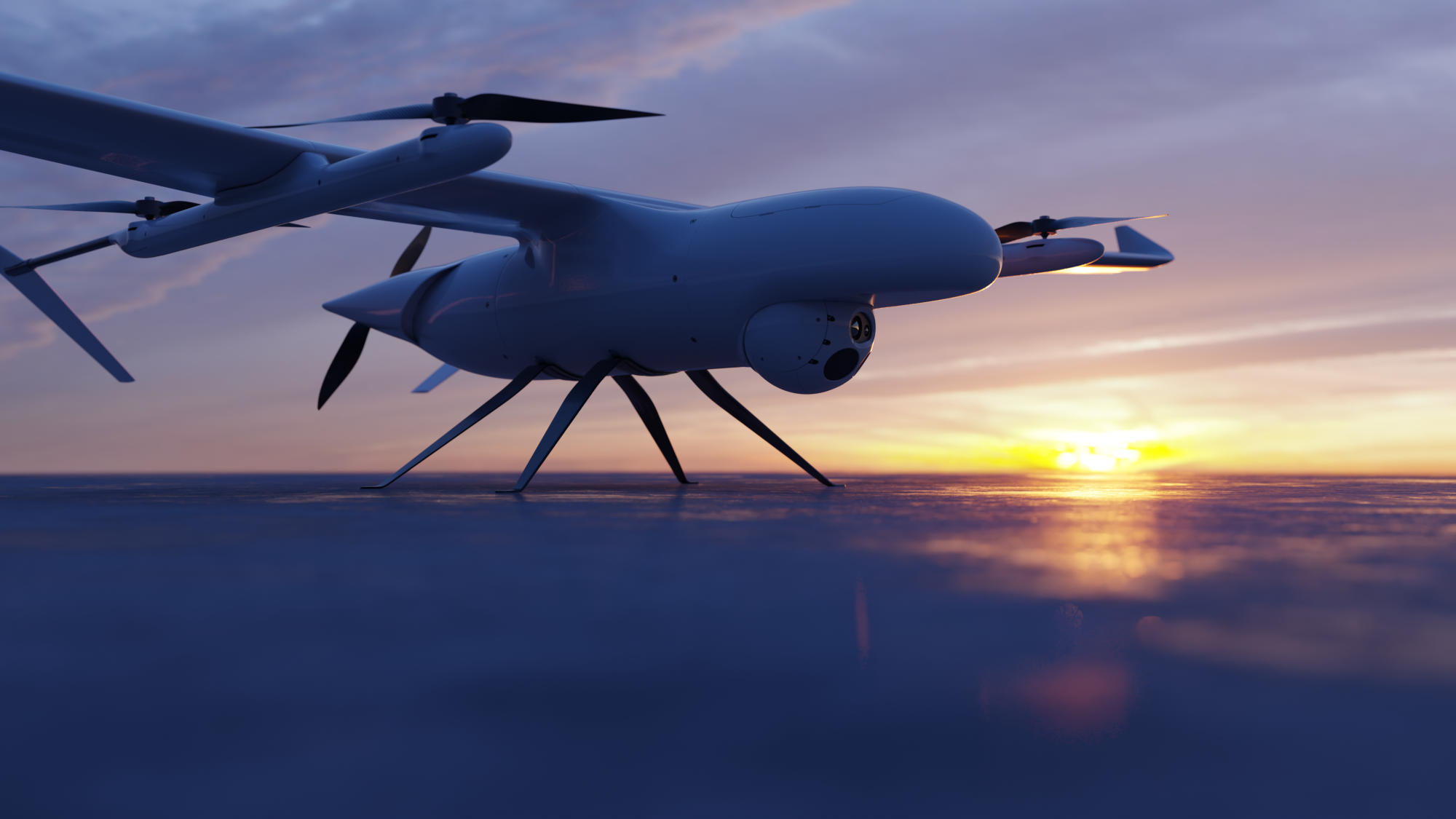
Using LEMU as a base platform, we have developed a small hydrogen fuel-cell-powered, long-endurance hybrid fixed wing/vertical take-off and landing UAV intended for commercial, military, and law enforcement applications. The design eliminates the need for runways, making it ideal for remote or infrastructure-limited areas.
Hydrogen propulsion addresses the growing demand for long-range, environmentally friendly UAVs. This would replace the use of short-range UAVs that require frequent battery replacements for take-offs and landings during high intensity operations, and medium to long-range UAVs using petrol engines which contribute to carbon emissions.
Once at a mature state, industrialisation and commercialisation will be undertaken with a suitable industry partner.
Our capabilities
The CSIR has worked on a variety of aircraft design projects with local and international partners, covering the full scope of developmental steps through to characterisation and testing.
Our capabilities in this area are:
Conceptual design
Performance and handling predictions
Powerplant and propeller performance optimisation
Multi-disciplinary optimisation, optionally utilising Computerised Environment of Aircraft Synthesis and Integrated Optimisation Methods (known by the acronym CEASIOM), a European aircraft synthesis and optimisation code
Detailed aircraft design
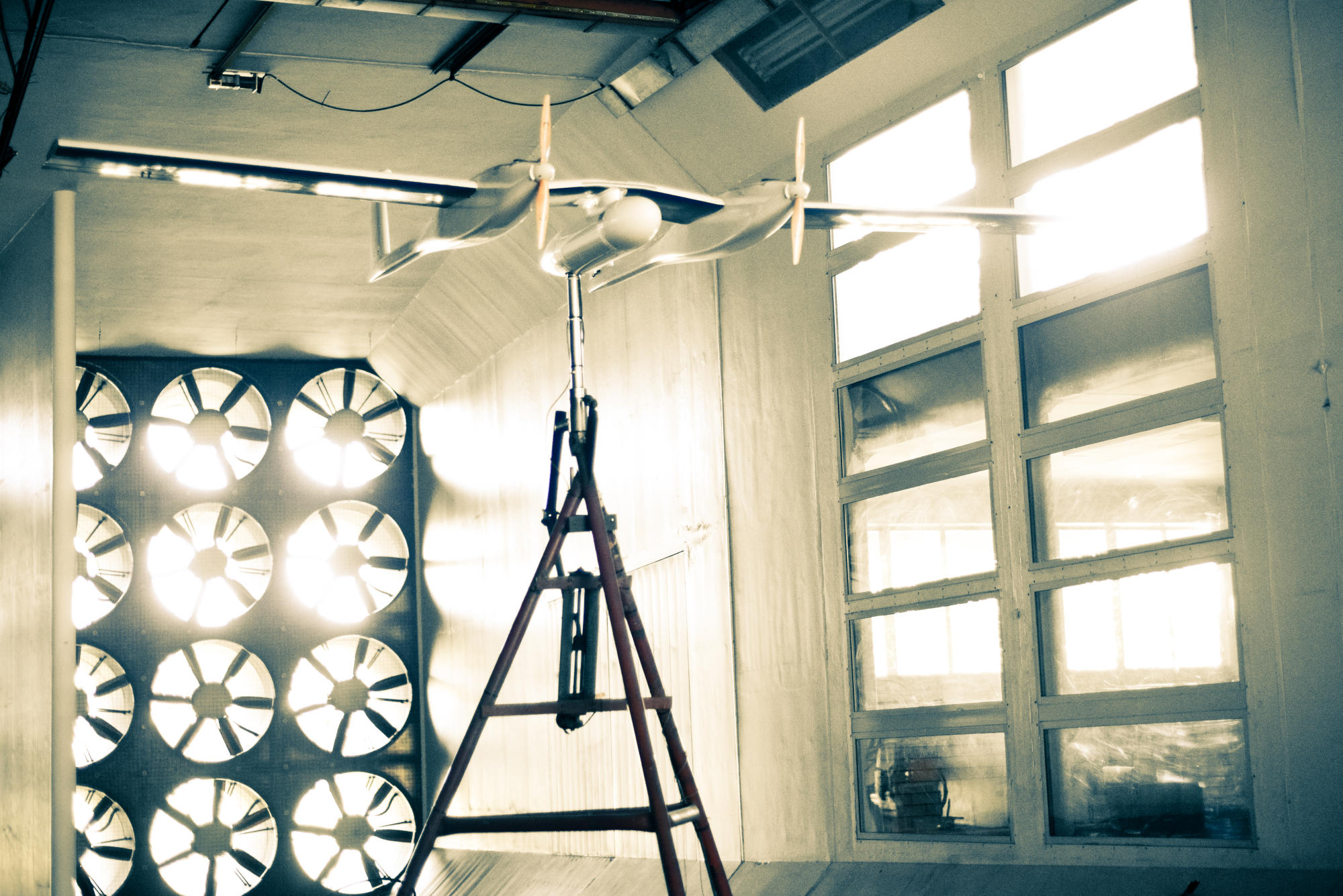
Aerodynamic characterisation through the testing of scaled models in one of the many wind tunnels or through computational methods
Modern design of experiment techniques are used to drastically reduce the number of wind tunnel tests required
High-fidelity man-in-the-loop simulations of fixed- and rotary-wing aircraft for validation of flight data and the evaluation and optimisation of handling qualities
We can simulate aircraft missions in realistic Sub-Saharan African threat environments using team members trained in flight test techniques. Flight test programmes can be drawn up and executed by the team for any aircraft, ranging from small, unmanned aircraft to supersonic jets.
Our facilities
Specialist UAV laboratory
Our work in unmanned aircraft systems (UAS) has grown considerably as more opportunities arise for use of this aerial platform and as new materials, new capabilities, new options for power supply and new requirements for payloads emerge. Our UAS laboratory incorporates high-fidelity flight simulators for virtual test flights using real aircraft subsystems, such as autopilot and control surface servo actuators. Wind tunnel testing is also performed in our security facility.