What we do
Mining extraction processes
Our multidisciplinary team brings expertise in mining engineering, as well as rock and geotechnical engineering, with many decades of experience in translating technical challenges into bespoke solutions. Our domains of focus include mine planning, technology adoption and management, the critical area of skills development and safety. Zero harm remains central to every conversation about mining and we contribute through monitoring and testing services, fire and explosion testing and innovative approaches to essential safety practices.
Contact information:
Highlights
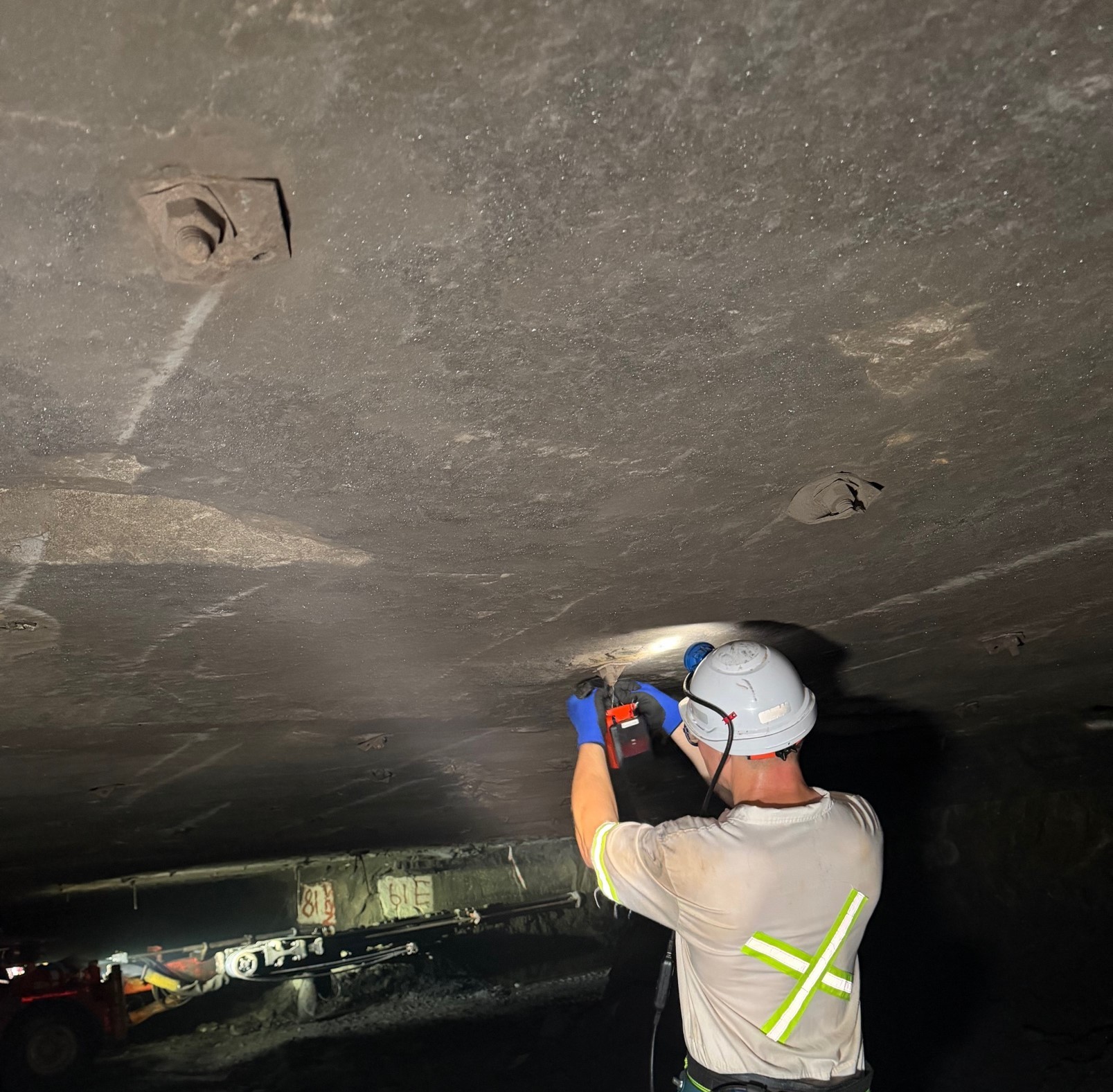
Spatial positioning system augments data-driven location for underground mining
The CSIR electronic-PEG system, known as e-PEG, is a portable, underground mining spatial positioning solution designed to enable location tracking for miners in GPS-denied environments. PEG’s are beacons used for surveying and measuring in underground mines and are typically installed with a reference number to extend mine measurements onto working faces. The digitised system provides a spatial reference framework that supports the recording of static and dynamic elements. This is achieved using the Ultra-Wideband Real-Time Location System technology by Eliko, a location technology company that designs fit-for-purpose solutions for various industries, including mining. This technology adopts a user-friendly deployment approach tailored for underground mining operations. The technology was developed through earlier investment in the Advanced Orebody Knowledge Programme by the Mandela Mining Precinct and is currently progressing through operational validation and refinement. Using this in local mines means having a practical way of capturing the location of assets, observations by the reviewer, geological features and points of interest underground. The resulting spatially referenced information improves operational awareness and data integration, and data-driven decision-making. Unlike conventional underground tracking and positioning systems that often rely on fixed infrastructure, surface-based servers and specialist surveying support, the e-PEG system has been engineered as a self-contained, battery-powered solution that can be rapidly deployed, operated and relocated within active mining areas. e-PEG creates new opportunities for integrating geological, geotechnical and operational datasets, enabling mines to generate and utilise orebody knowledge more effectively throughout the mining cycle. Through the e-PEG system, the CSIR aims to support safer and improved mining operations.
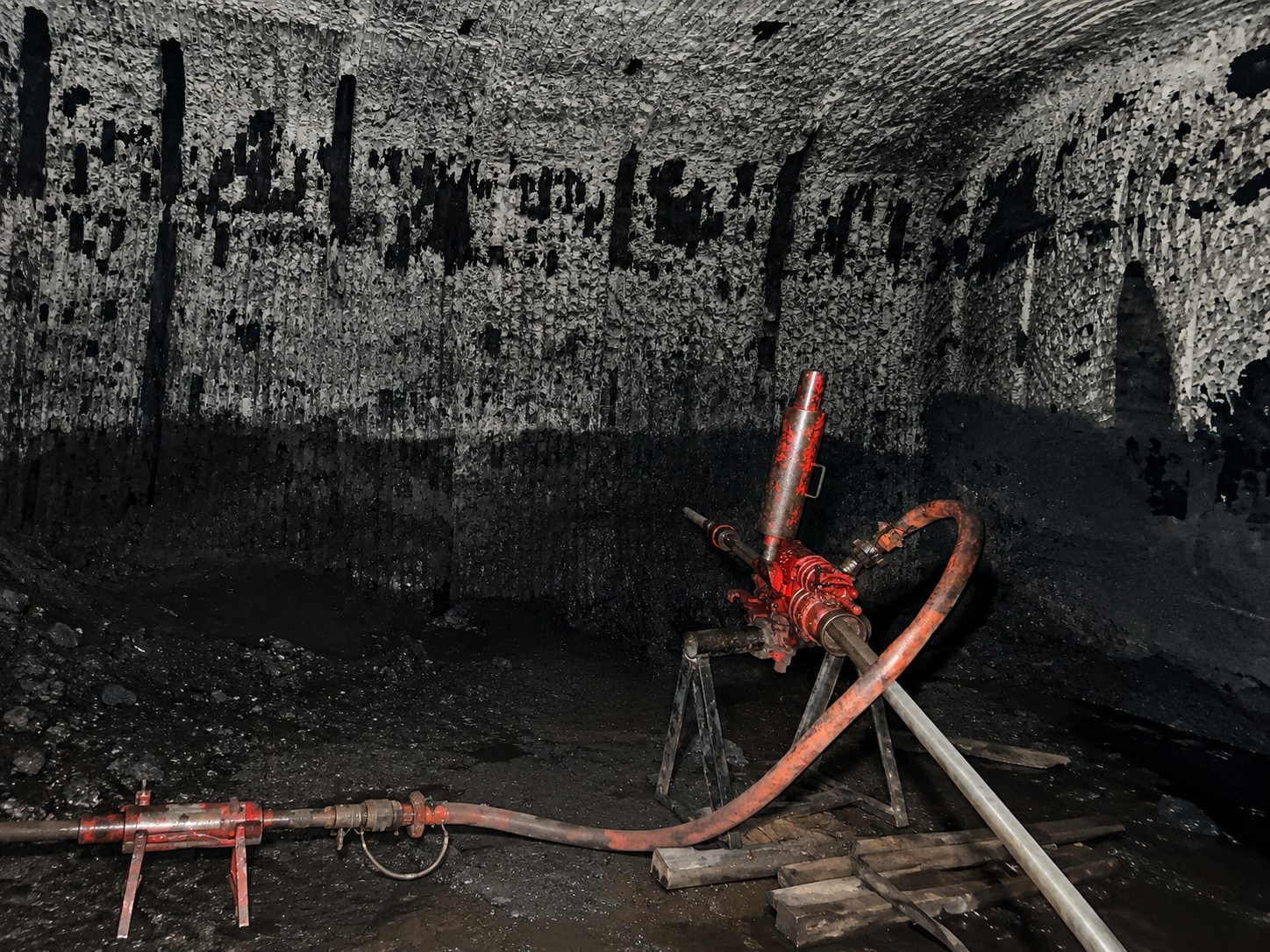
Safer and more productive mining through alternative stress measurement methods
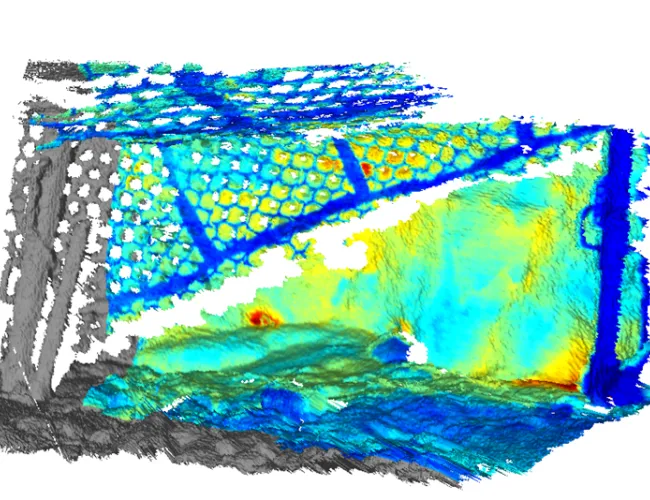
The stress measurement method being trialled by the CSIR is an alternative approach to estimating the magnitude and orientations of the major original field stress components, to support better decisions that would lead to safer, more productive underground mining. Many of South Africa’s major ore bodies are underground, with some of these operations among the deepest in the world, reaching 3-4 km below the surface. As mines locally and globally move deeper to access minerals such as copper, platinum, gold and nickel, the in-situ stress field components play an increasing role in excavation stability. At the same time, very shallow operations are often exposed to a variable horizontal field stress component that can affect stability. We understand that reliable and regular field stress measurement will assist geotechnical and mining engineers to design stable excavations and plan safe mining sequences that protect people, equipment and production. Originally developed by Japanese researchers for seismic activity studies, this approach promises to be more practical and cost-effective in the field than conventional methods. Enquiries: Johan Hanekom Chief Rock Engineer JHanekom@csir.co.za
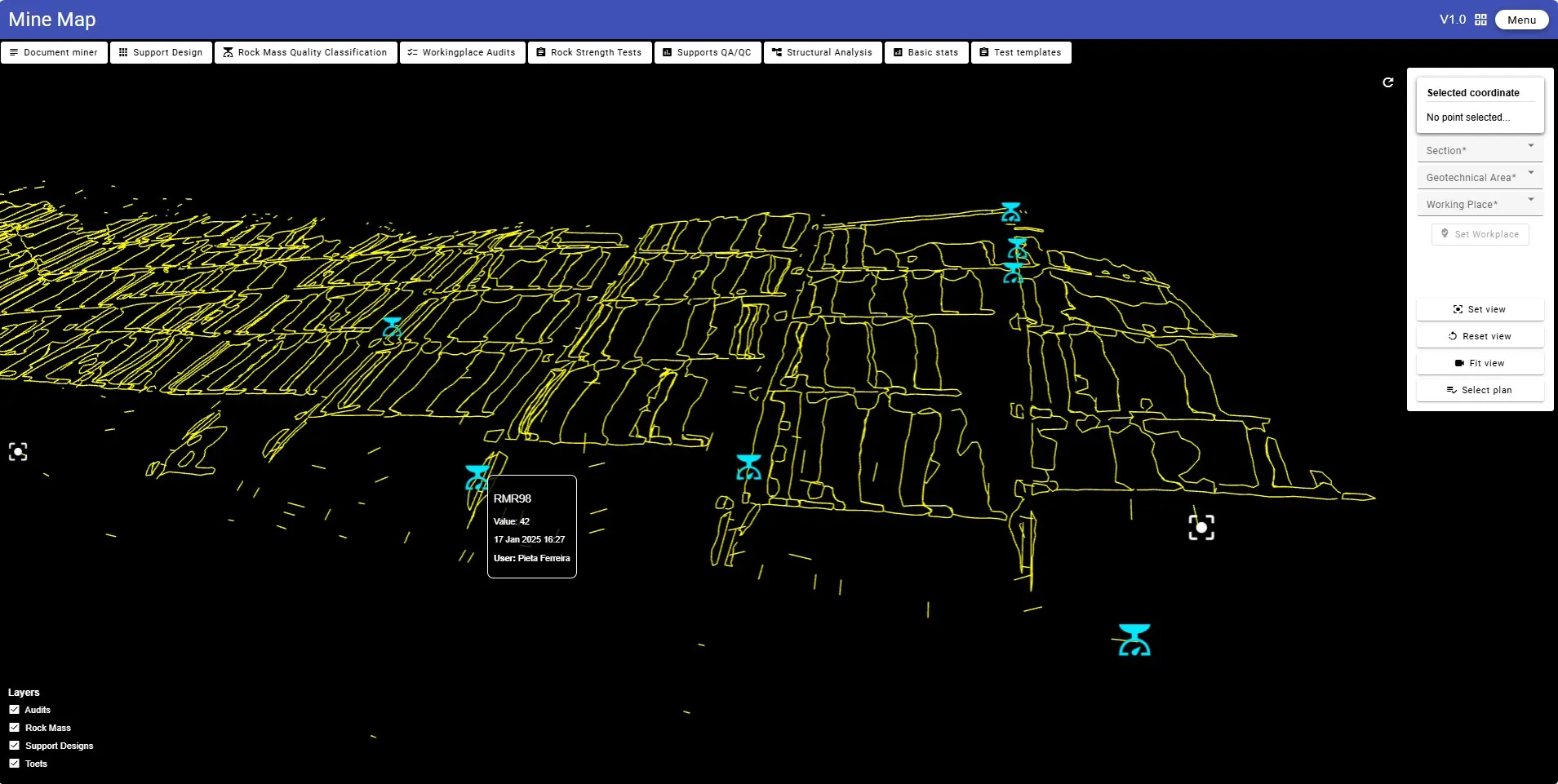
Rock engineering assistance
Our digital rock engineering assistant platform helps mining practitioners to master and perform selected rock engineering functions with greater accuracy and efficiency. It provides a one-stop database for different types of data gathered, in a format that allows for filtering, display of data on a mine plan and assistance with data analysis. It also provides the option to export search data. The platform is compatible with standard computers and mobile devices, streamlining data collection, analysis and storage. It automates key portions of selected tasks, executes simple calculations and enriches user learning by embedding step‑by‑step explanations of processes, ensuring consistent and reliable results. Currently at technology demonstrator phase, a beta version will be undergoing operational stress‑testing at mining sites in South Africa, whereafter it will be available for licensing.
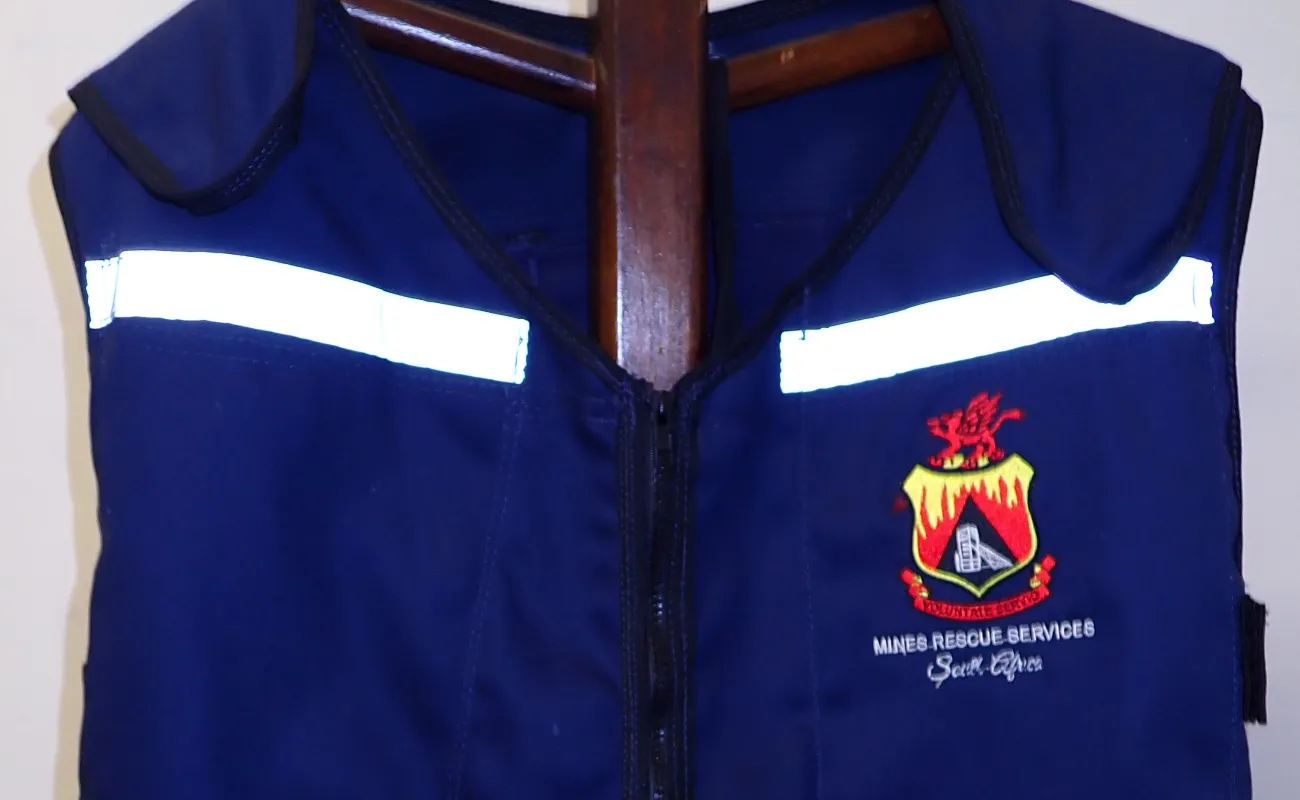
Testing body cooling garments to keep mine rescue teams safe underground
The CSIR supported Sibanye-Stillwater Ltd in assessing whether a body cooling garment could help keep rescue workers maintain heat tolerance for longer than the current upper limit of 30 minutes at an emergency heat stress index above 38 °C. Heat stress is a significant health and safety hazard for all those working underground, with risks heightened during emergency rescue or maintenance work. Personal protective clothing that keeps rescue teams cooler – and therefore safer – for longer periods could make an important contribution to the zero-harm aim. In the first trials, jackets fitted with pouches containing eight lightweight, frozen gel packs were tested during physical exercise. Heart rate, body and skin temperature and sweat rates were measured.
Our capabilities