Aerospace

What we do

Contact information:

Biko Managa
Impact Area Manager
@email

Bhavya Vallabh
Business Development Manager
@email

What’s new?

Extraction process

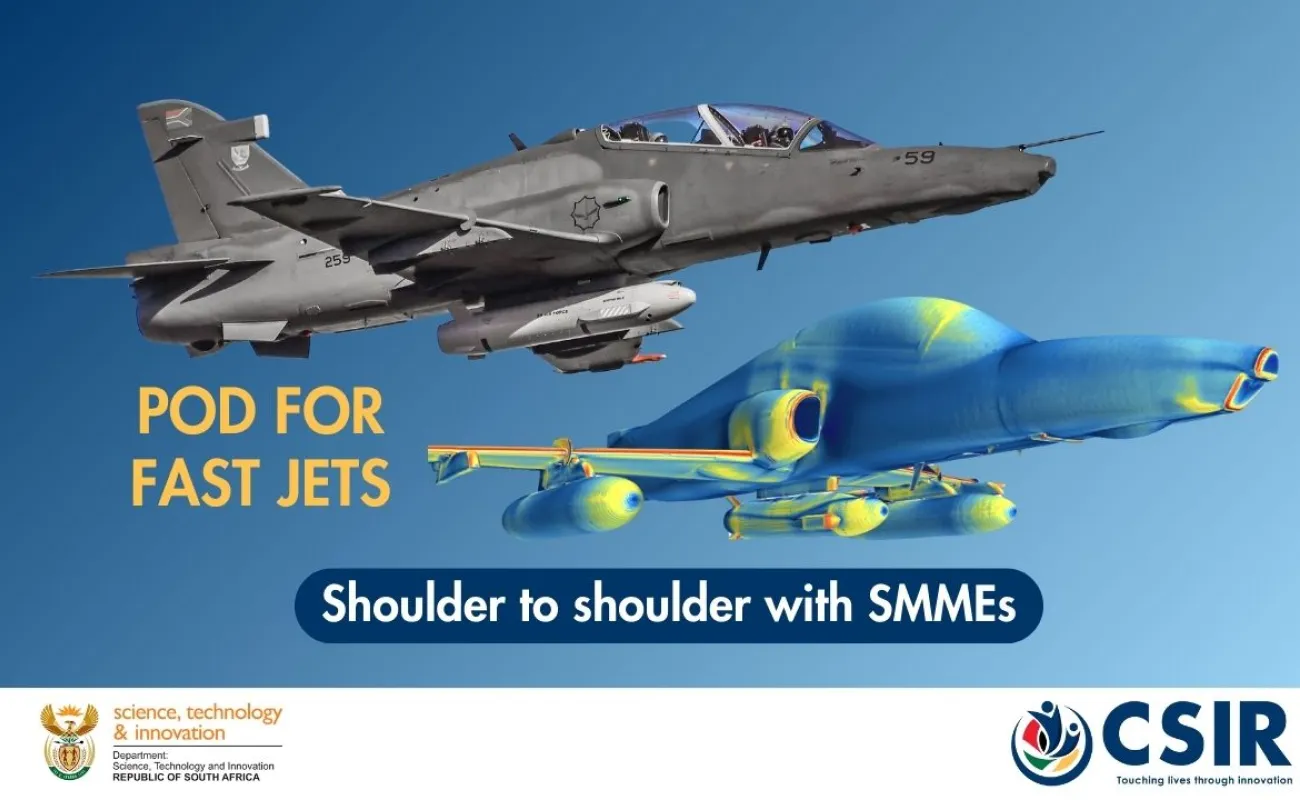
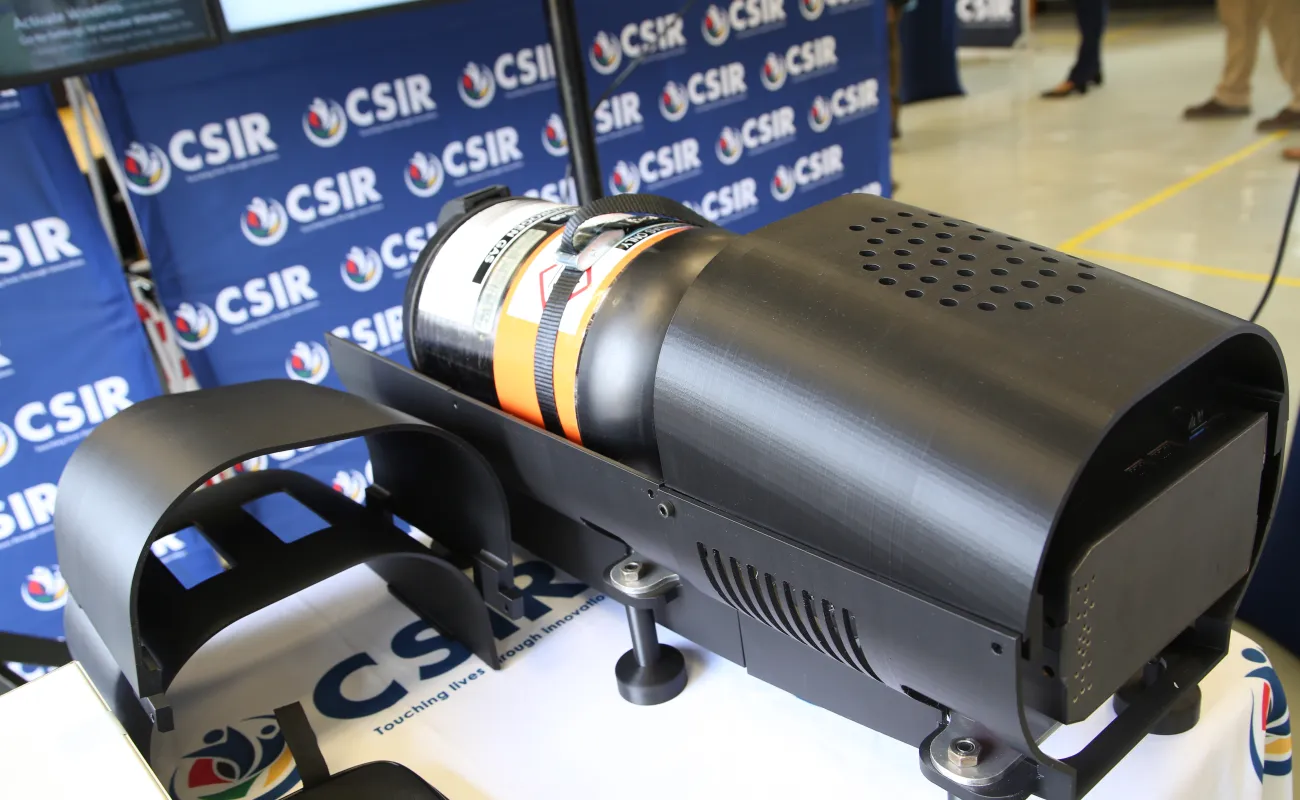
A new defensive pod technology for fast jets

The CSIR has assisted local small business Sysdel CC with integrating its new pod with a South African Air Force aircraft. The Acepod store integration is an example of how the CSIR supports local SMMEs to grow into world-class aerospace enterprises that can compete globally to the national benefit.

Watch video

Extraction process

Moving to green aviation: Hydrogen fuel cell technology demonstrated

For the first time in South Africa, CSIR researchers have demonstrated hydrogen fuel cell propulsion suitable for unmanned aerial vehicles (UAVs). The demonstration was conducted using a hybrid fixed-wing, vertical take-off and landing UAV in a hardware-in-the-loop setup. While the hydrogen fuel cell research is still in its early development stages, once completed, a commercially viable fuel cell propulsion system will be licensed to a local partner for industrialisation and commercialisation.

Our research

Flight testing services

Flight testing services

Go somewhere

We provide support for the entire test programme, including flight set specification design, oversight of flight execution and processing of flight test data.

Space science and technology

Space science and technology

Go somewhere

We follow a systems engineering approach to space technology based on our multidisciplinary expertise in domains such as optronics, radar (including synthetic aperture radar), information warfare and custom payload development. Read more.

Propulsion systems

Propulsion systems

Go somewhere

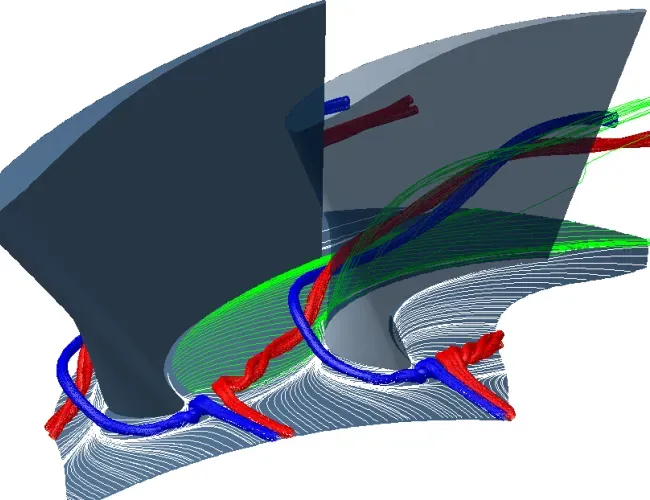
Our core capabilities in propulsion include cycle modelling, efficiency enhancement and life extension of turbines, supported by a range of specialised infrastructure. Beyond gas turbines or turbojet engines, our focus extends to new energy sources.

Aeronautical design and unmanned aircraft systems

Aeronautical design and unmanned aircraft systems

Go somewhere

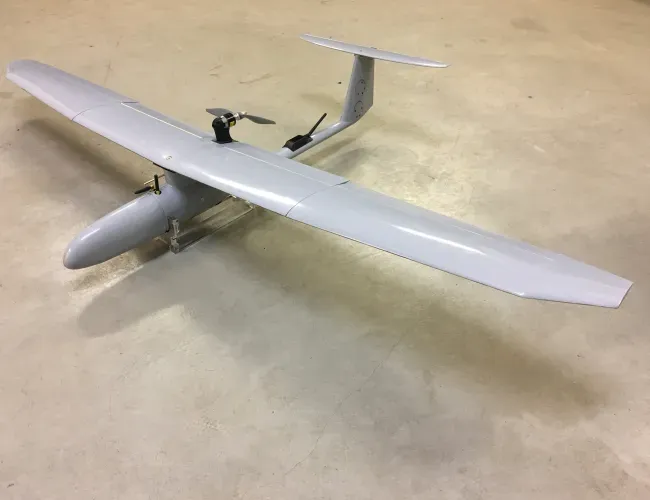
We undertake conceptual and detailed design, as well as aerodynamic characterisation of fixed- and rotary-winged aircraft. This is achieved through wind tunnel testing and computational methods such as high-fidelity, man-in-the-loop simulations. Design examples include gyrocopters, UAVs, light aircraft and gas turbine engines.

Modelling and simulation

Modelling and simulation

Go somewhere

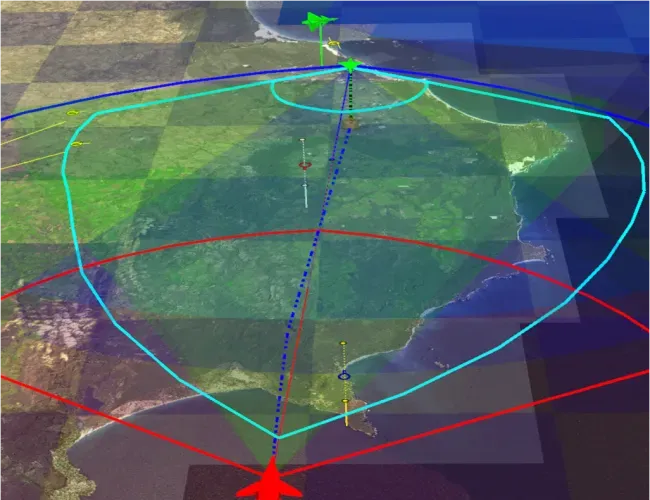
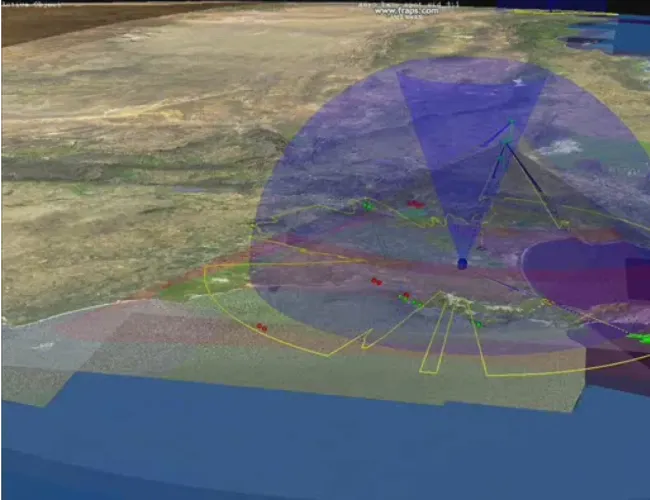
We develop robust simulation environments at various system levels and for various conditions. This includes mission level simulations for combat scenarios to model aircraft capabilities in operational and threat environments.

Aeroelasticity and flutter

Aeroelasticity and flutter

Go somewhere

The CSIR is a leader in aeroelasticity technology and has cleared more than 200 aircraft configurations for the South African Air Force (SAAF), as well as for local and international clients since the 1970s. Over time, the CSIR has developed its own ground vibration test (GVT) systems and its own full suite of flutter clearance software. As the military demand decreased, the CSIR started serving the civilian market. Apart from a novel Controller Area Network bus-based GVT system, the CSIR developed smart support systems for ground vibration testing of light aircraft and in-flight excitation systems for flutter flight testing of light to supersonic aircraft.

Air worthiness and systems engineering

Air worthiness and systems engineering

Go somewhere

A wide range of capabilities contribute to these complex technology integration processes, covering the full spectrum from specification to testing, analysis and qualification.

Aircraft store integration

Aircraft store integration

Go somewhere

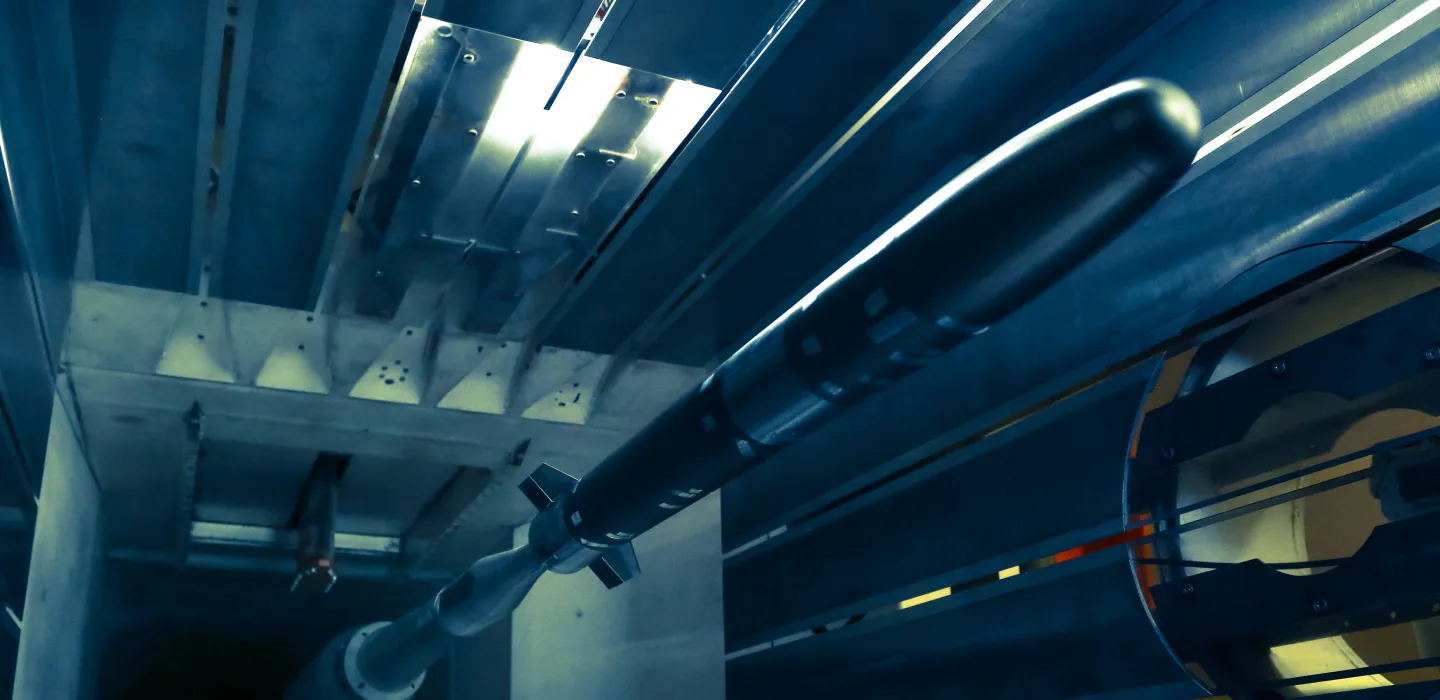
We have expert knowledge in evaluating the aerodynamic and mechanical impacts of integrating stores with aircraft. Our work includes aeroelasticity (flutter), store separation behaviour and the loads imposed on aircraft during carriage, as well as the impact on aircraft performance and handling characteristics. CSIR-developed tools, codes and testing facilities are used for store separation analysis.

Experimental aerodynamics

Experimental aerodynamics

Go somewhere

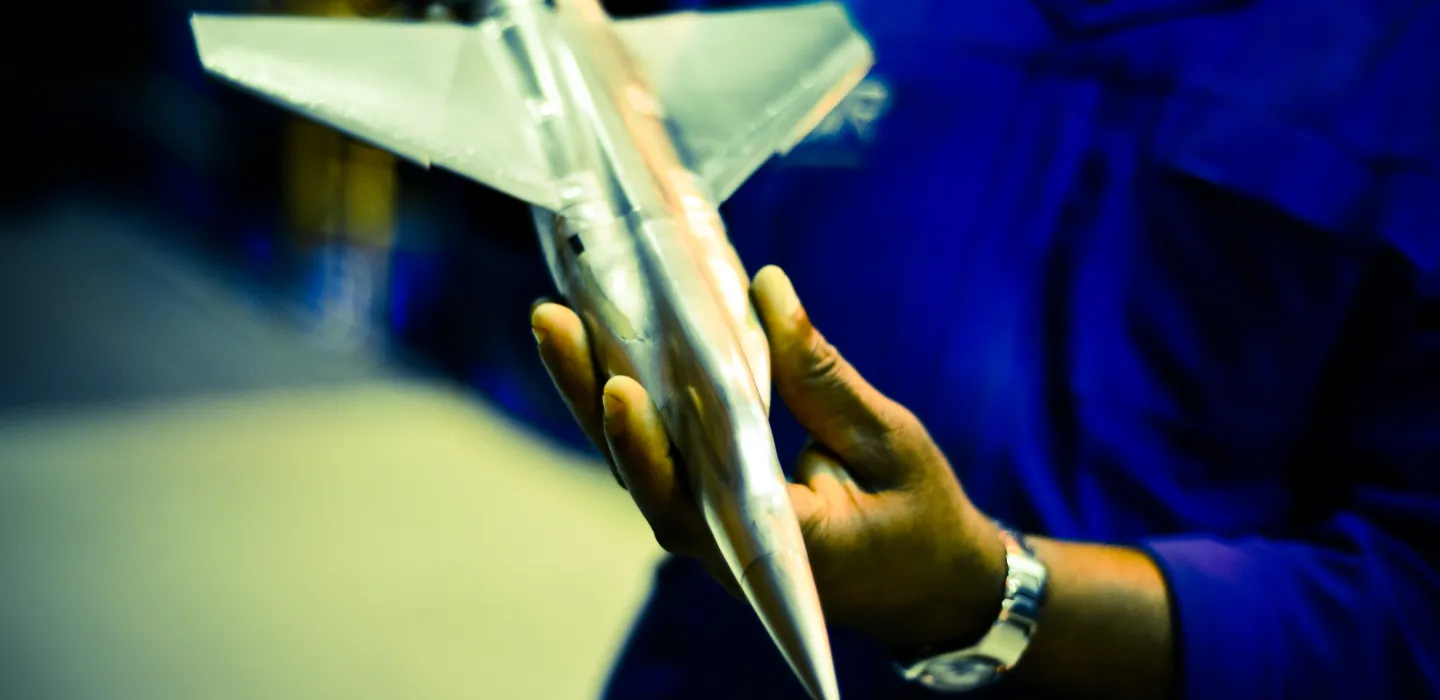
Central to our experimental aerodynamics work is a suite of wind tunnels, covering a range from low-subsonic to supersonic speeds, along with associated analytical tools and models. We have developed unique aeroelasticity test rigs and technologies, including ground vibration testing tools for light aircraft and in-flight excitation systems for flutter flight testing of aircraft ranging from light to supersonic.

Our facilities

Vuyani Jarana
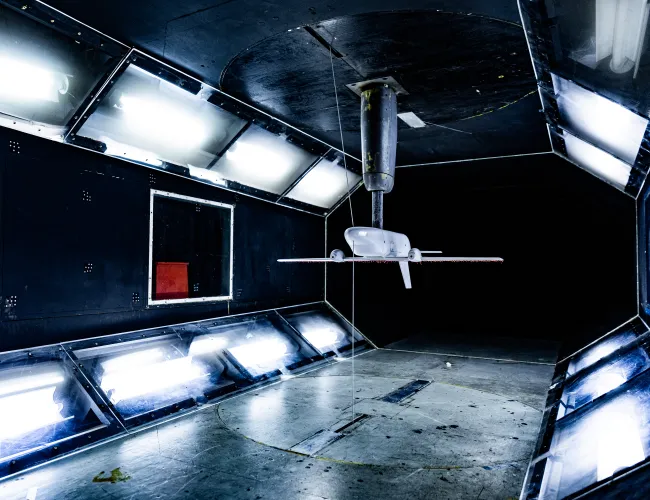
The low-speed wind tunnel

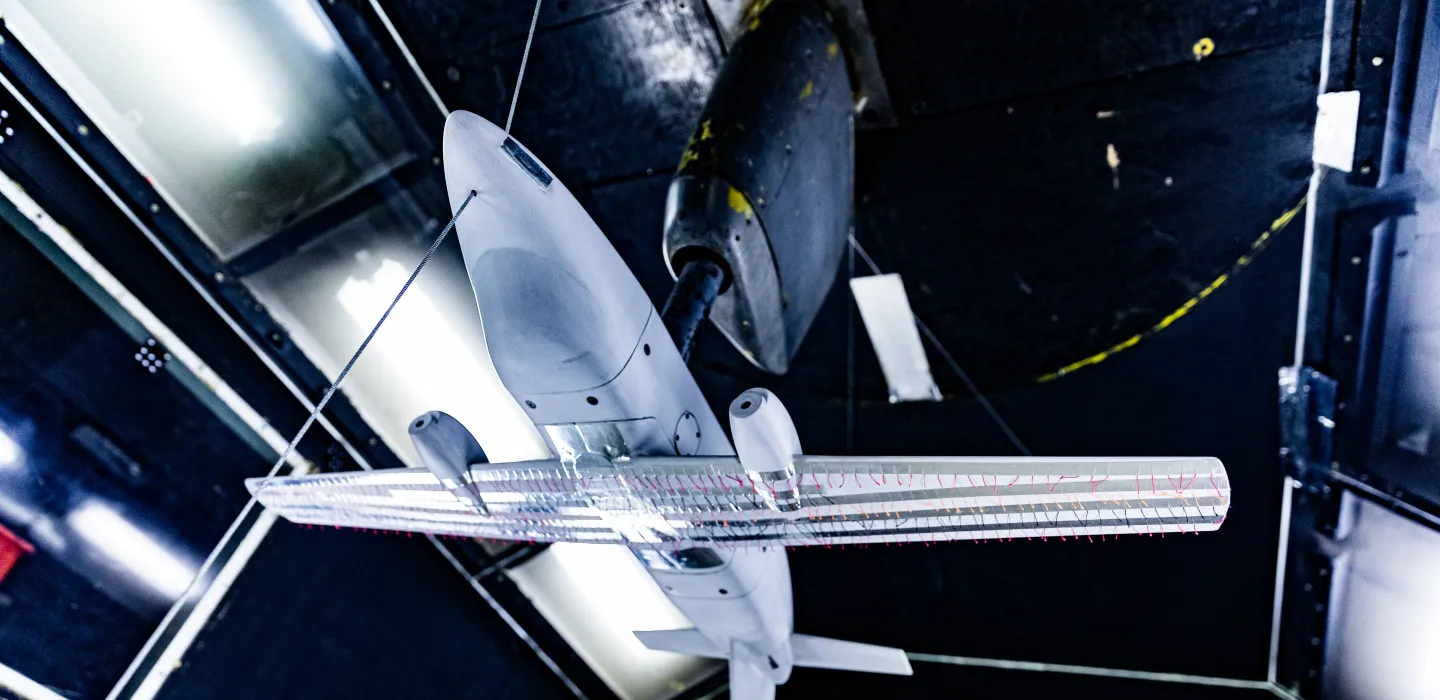
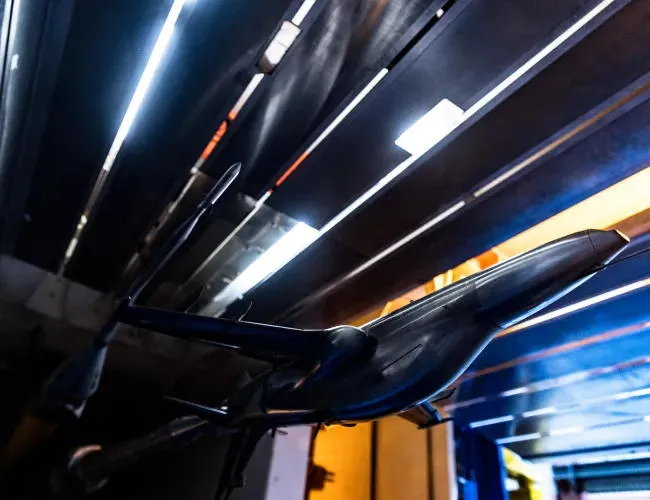
The low-speed wind tunnel is a continuous, single-return tunnel with a closed test section. Strut-mounted models are suspended from an overhead six-component virtual-centre balance. An auxiliary pitch sector allows sting-supported models to be mounted on a variety of internal strain gauge balances.

Nomsa Dlamini
The high-speed wind tunnel

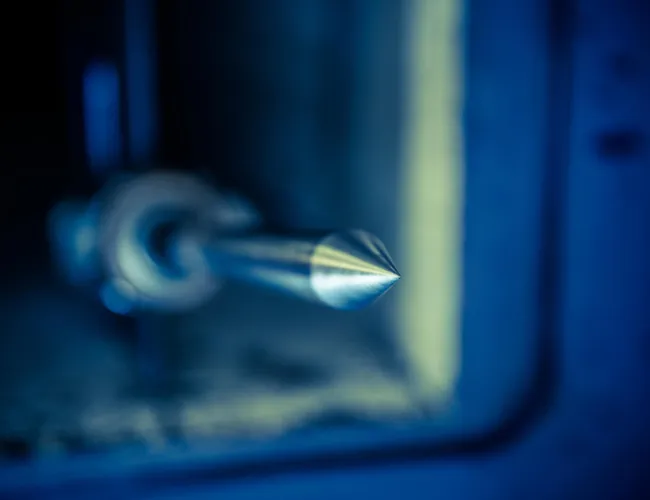
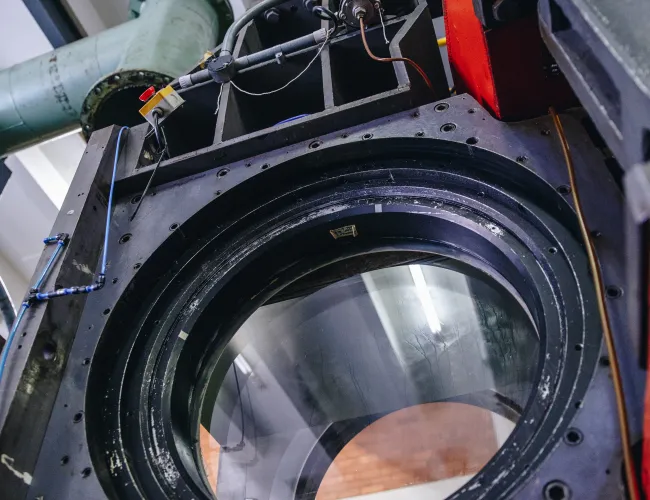
The high-speed wind tunnel is a trisonic, blowdown tunnel equipped with a colour Schlieren system for flow visualisation. Subsonic and supersonic Mach numbers are tested using the standard wind tunnel setup, while transonic tests make use of an additional cart fitted with a plenum evacuation system and porous walls.

Fabrizio Dionisio
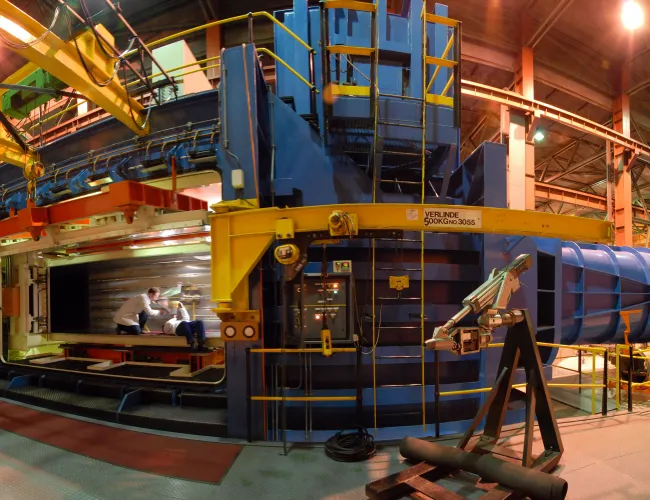
The medium-speed wind tunnel

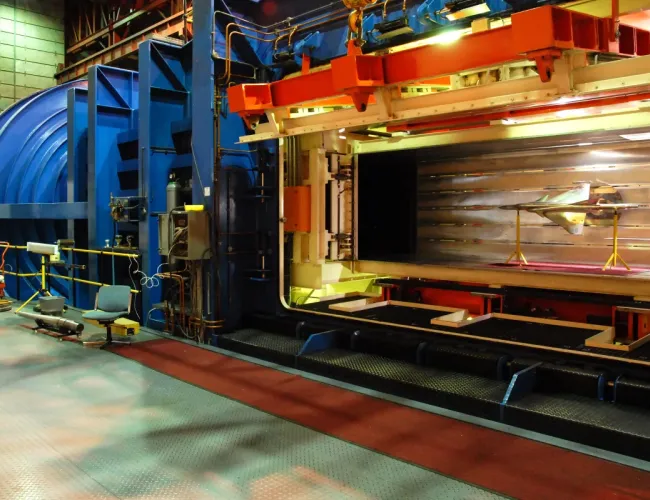
The medium-speed wind tunnel is one of the best-equipped and most sophisticated tunnels of its kind in the southern hemisphere. It is powered by a 20 MW electric motor that drives a three-stage axial compressor with variable guide vanes and stator blade angles for accurate Mach number control. This variable-density transonic tunnel operates continuously to ensure optimum productivity and accuracy. The square test section is slotted, with a porosity of 5% to deliver the best possible flow quality at transonic Mach numbers.
Fabrizio Dionisio
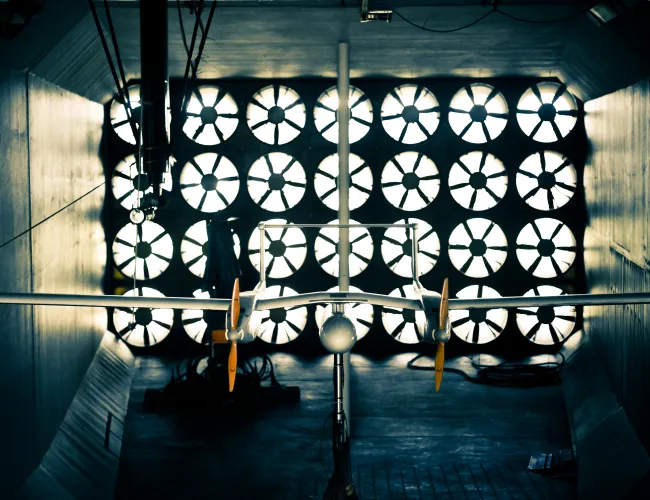
The seven-metre wind tunnel

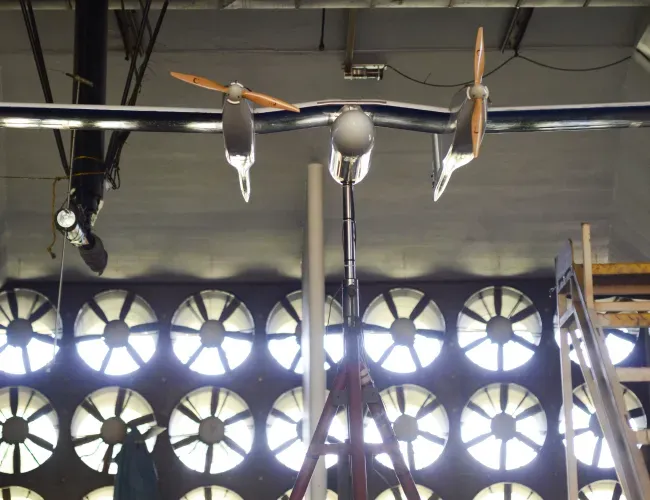
The seven-metre wind tunnel is a continuous, open-circuit tunnel powered by 28 axial-flow fans, each rated 30 kW. Uniform flow distribution across the tunnel's speed range is achieved by operating the fans in one of 13 symmetrical patterns.

Resources

Aerospace research, development and services at the CSIR: A brochure

Read Brochure