Applied detonics, ballistics and explosives
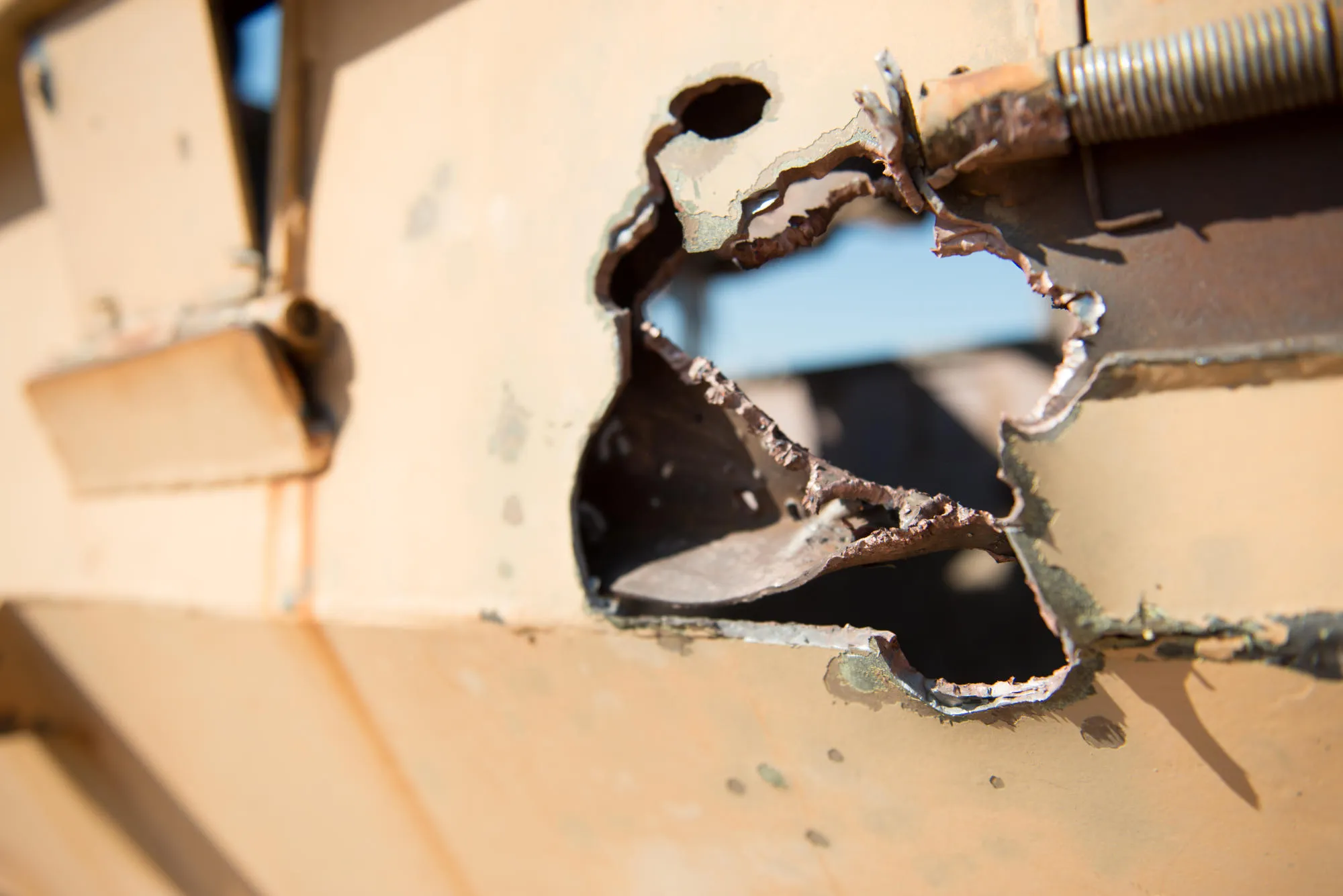
Our research focuses on measuring and analysing the effects of ballistic and explosive events to develop effective protective technologies for soldiers and assets. This involves understanding conventional and unconventional threats, including fragmentation and chemical analysis, as well as testing a range of energetic materials and improvised explosive devices. These tests are conducted in roadside and under-carriage blasts on land, as well as underwater.
Contact information:
Our capabilities
Understanding the impact of firepower requires the characterisation of threats such as landmines and improvised explosive devices, which are increasingly used not only in conflict zones but also in various non-military environments. We simulate events and develop surrogates to test the effects of blasts and ballistics, analyse the findings and model the data to inform the development of protective methods for assets and soldiers.
The science of explosion events
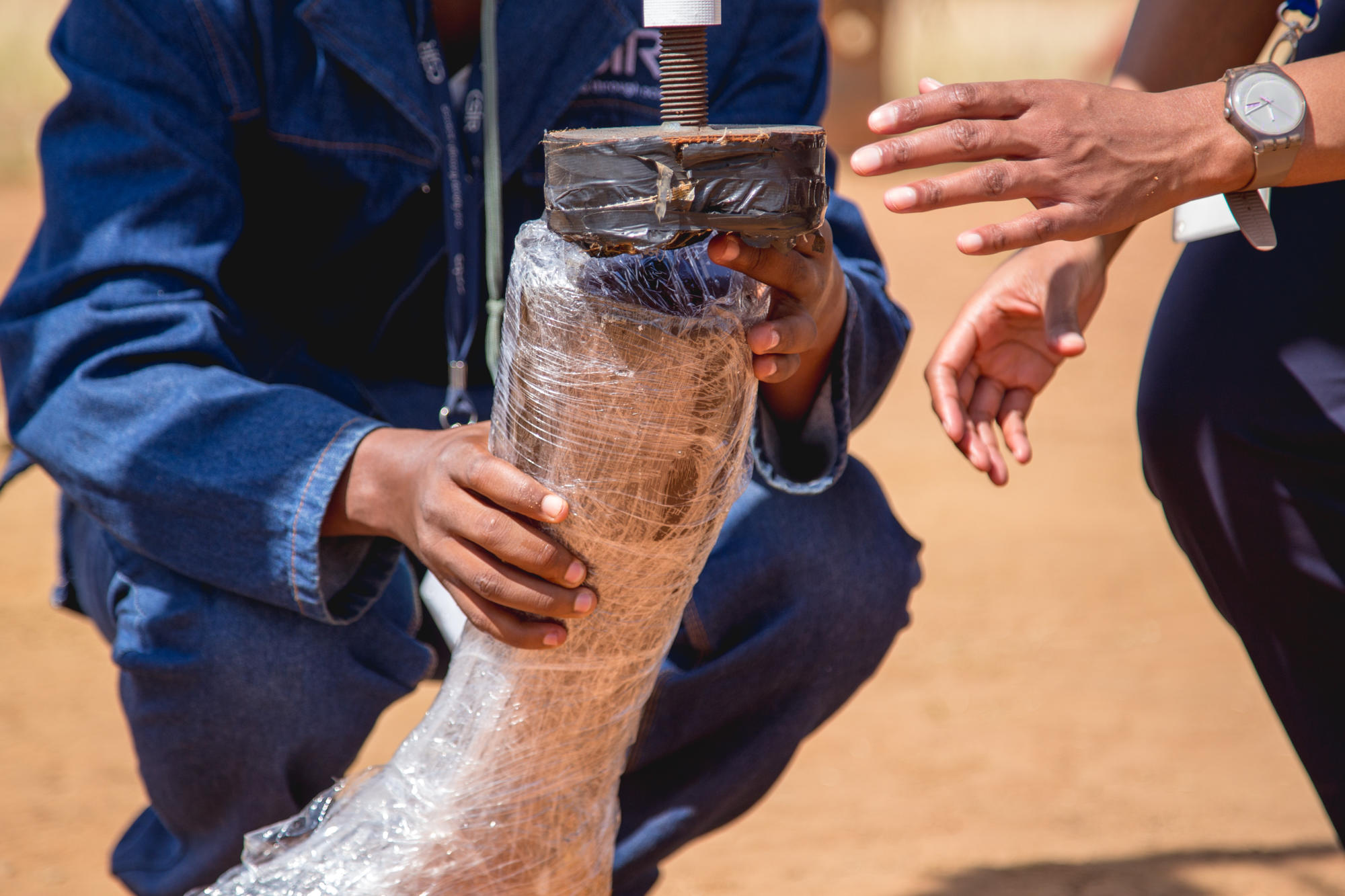
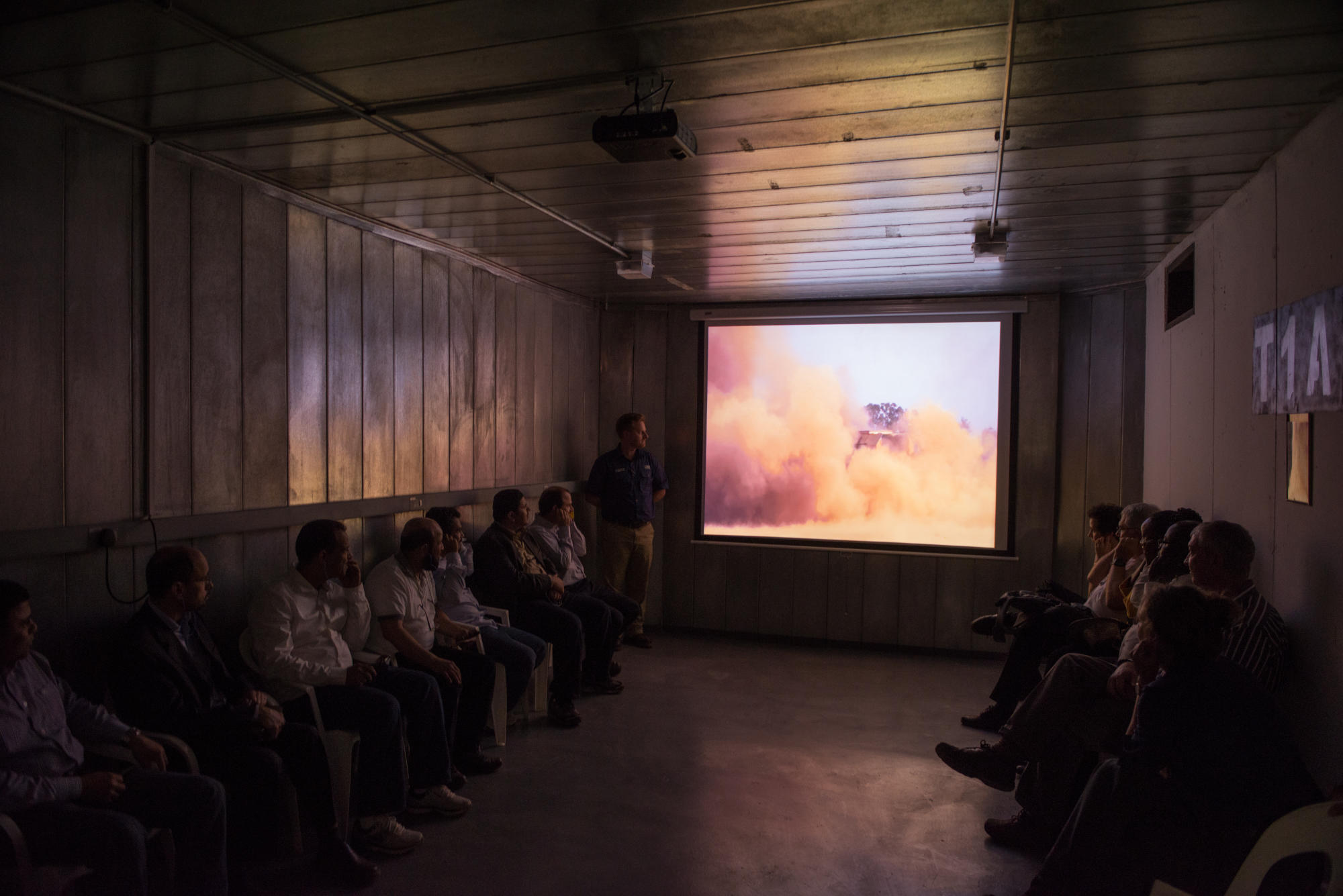
The CSIR’s measurement methodology involves comparing various explosives and munitions based on their blast wave characteristics. This research supports the identification, analysis and mitigation of such threats. Key measured parameters include pressure, stress, load/force, time of arrival, velocity, acceleration, displacement and impulse.
Our offerings
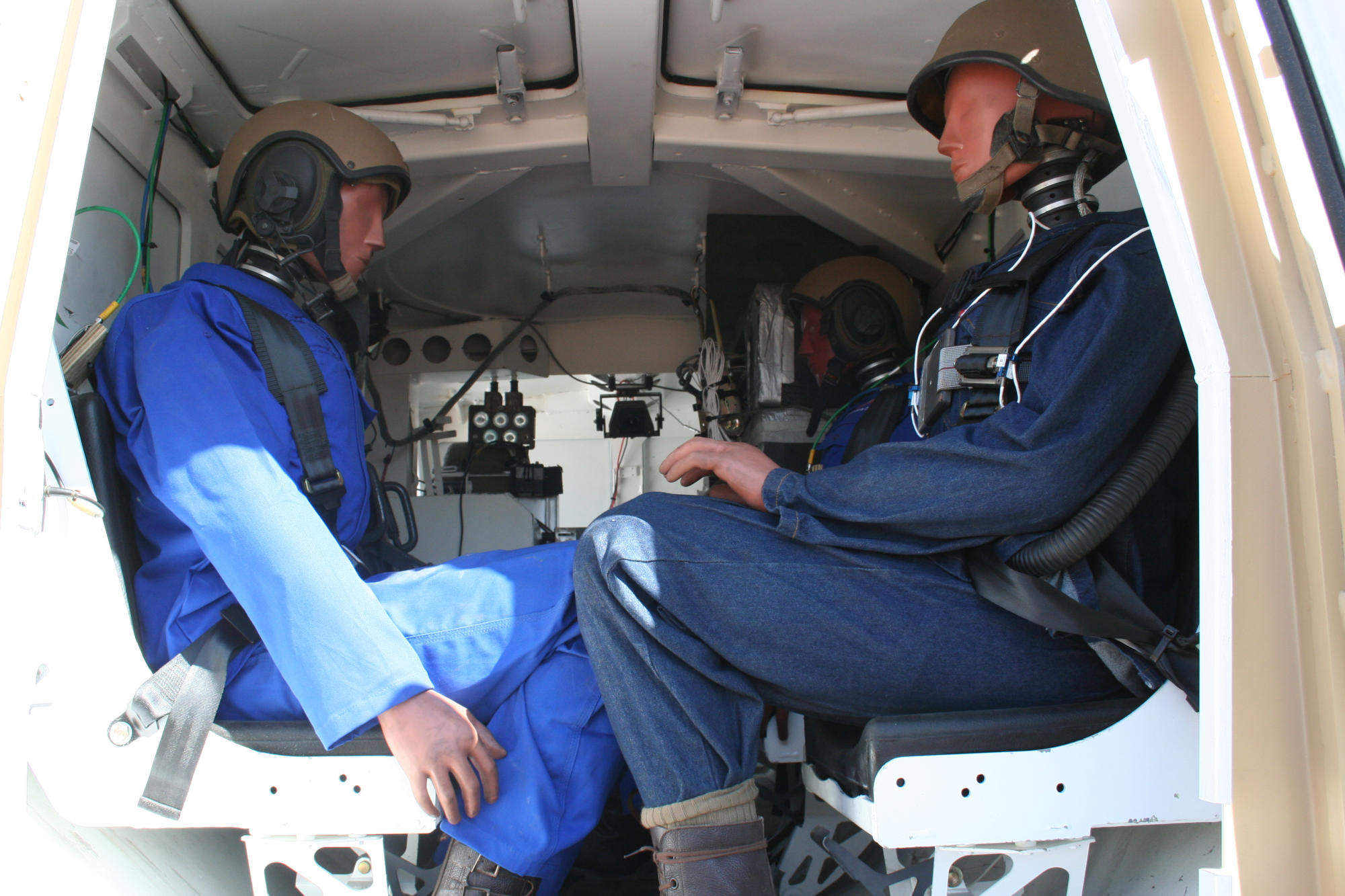
Landmine protection research and vehicle validation testing delivered to international standards
Focusing on the impact of blasts on the lower limbs and seat design, we conduct experiments using anthropomorphic test devices, commonly known as dummies. These tests use sensor instrumentation, computational modelling, simulation and infrared or high-speed photography. Although the blast event lasts only a few hundred milliseconds, it generates data used to estimate the dynamic human response during explosive events. The tests are conducted in accordance with several international standards, which define specific injury criteria for protective vehicles based on measured forces and accelerations.
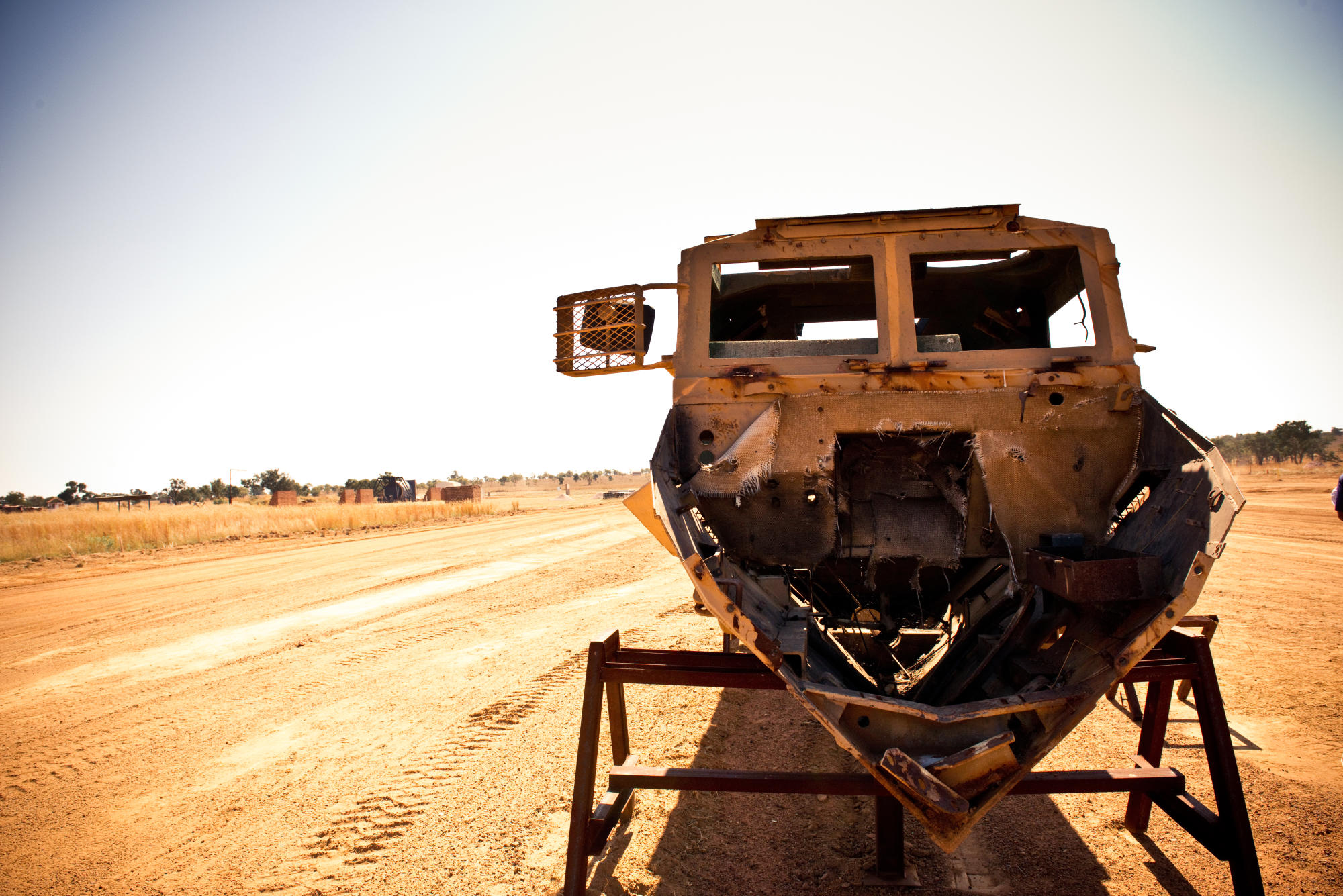
Vehicle design informed by an understanding of the impact of threats
Research has shown that the V-shaped hull of an armoured vehicle plays a crucial role in minimising the impact of underbelly explosions, such as landmines, by deflecting the blast away from the vehicle. Novel materials are increasingly being used to provide a more elastic response during mine or blast improvised explosive device events. Research into human vulnerability focuses on blunt trauma, the effects of explosive events and terminal ballistics.
Our facilities
The Detonics, Ballistics and Explosives Laboratory is central to experimentation involving threats and protective responses. The facility is equipped with medium, high- and ultra-high-speed photographic and video equipment, X-ray systems, impulse measurement apparatus, an electronics laboratory, chemical laboratory and test sites for small arms, water blasting and landmines.
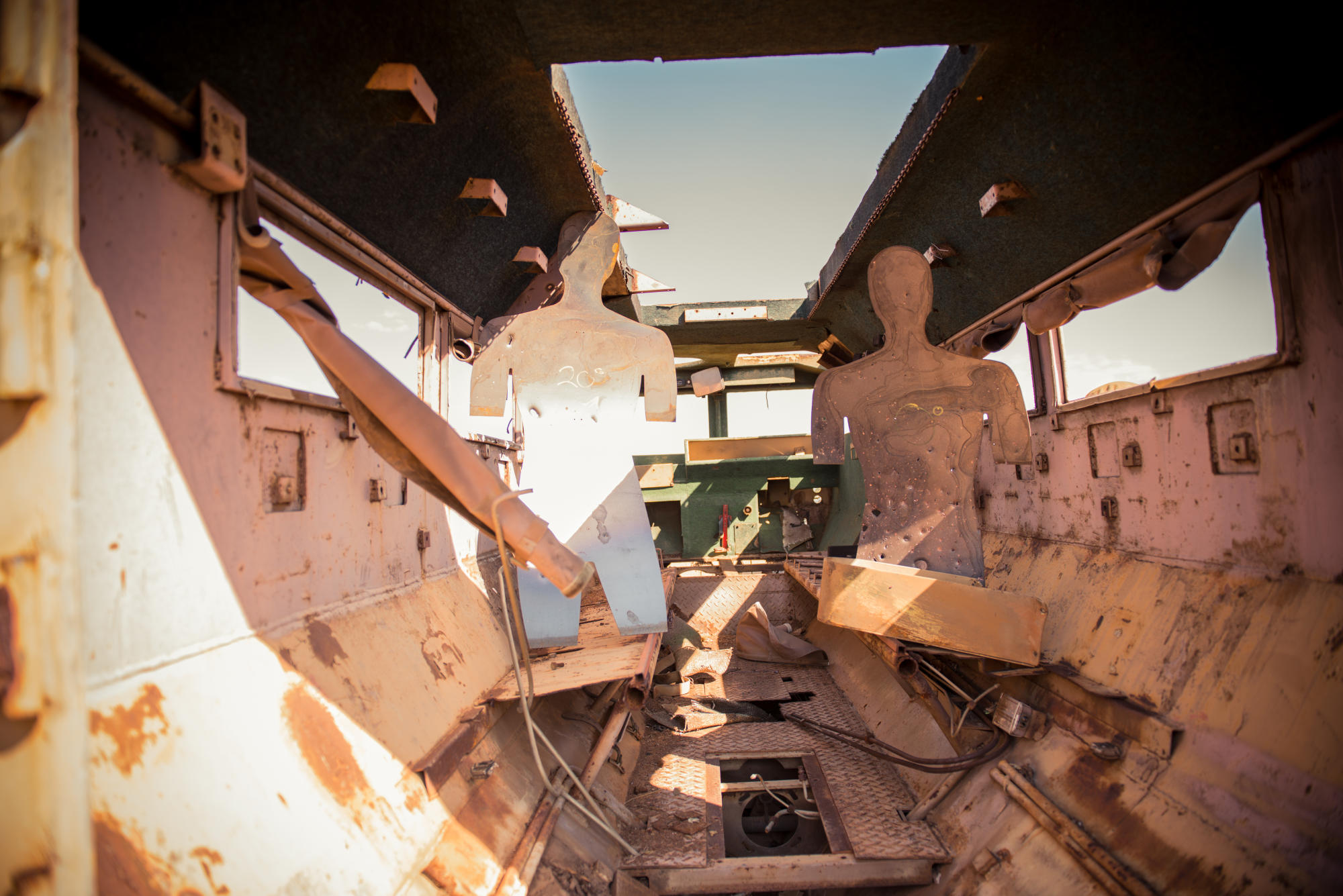
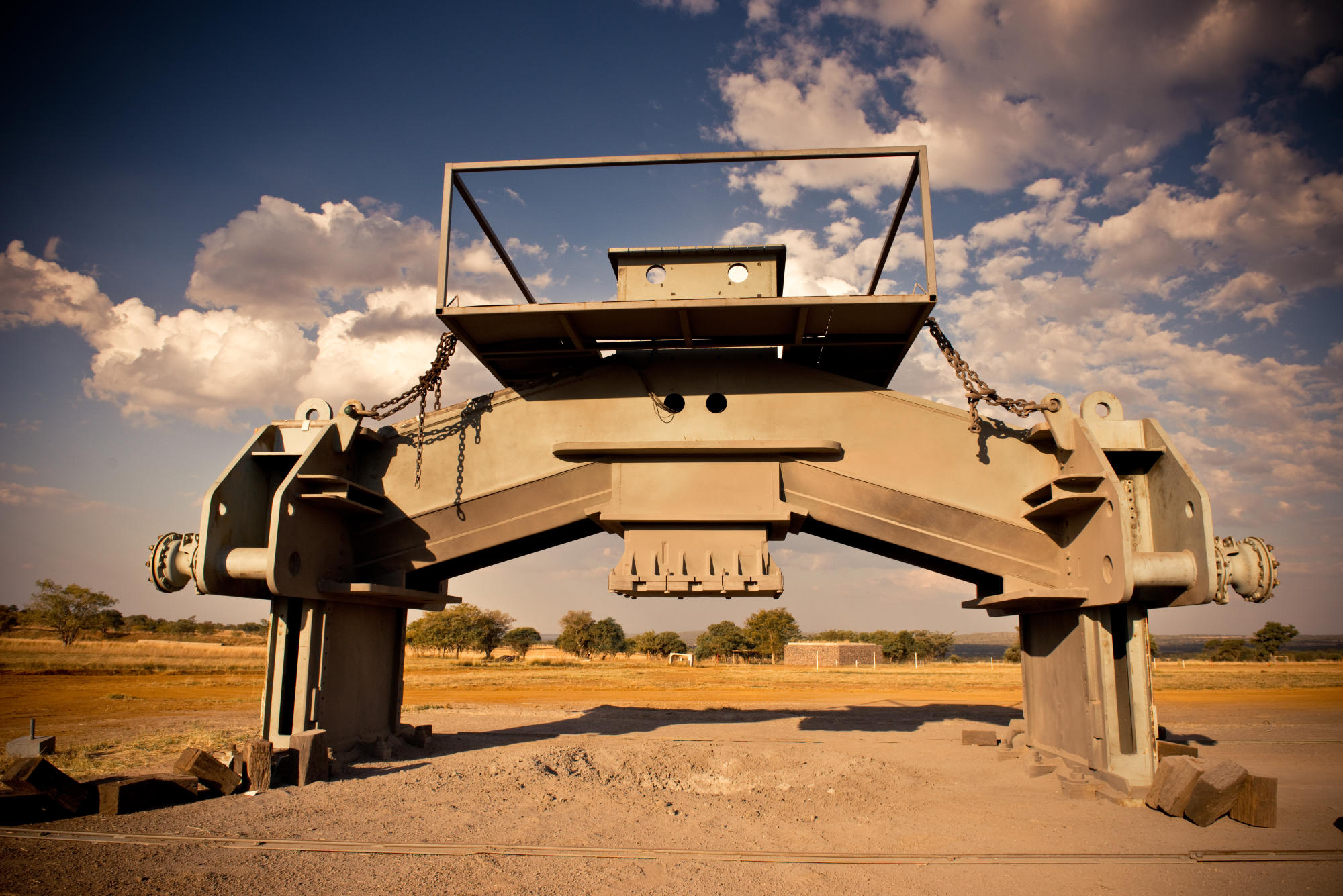
CSIR-developed testing equipment
A scientifically instrumented impulse measurement system is used to measure the impulse generated by an explosive charge. The data helps quantify the threats, characteristics and efficiency or capacity of possible protection solutions. Variables include the depth of burial of explosive devices, stand-off distance, charge shape and soil conditions.
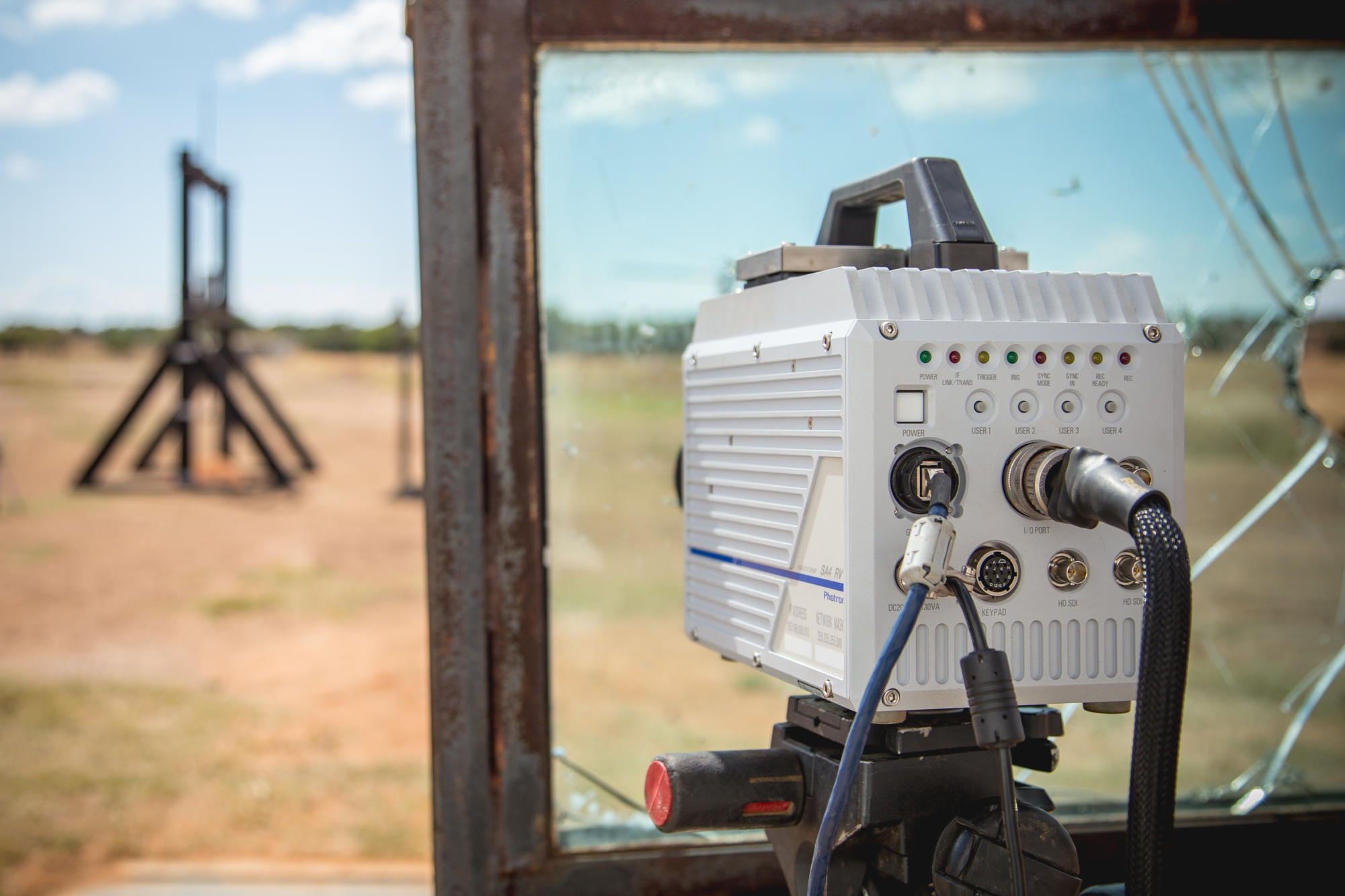
Equipment to capture explosive events
Data acquisition during explosive tests is accomplished through the integration of various sensors, data acquisition systems, X-ray imaging and medium-, high and ultra-high-speed cameras capable of capturing up to two million frames per second. These cameras and flash X-ray systems are used for ultra-fast diagnostics of explosive events to capture events occurring within nanoseconds.