Global efforts to unify and standardise the testing of mercury samples across the world are receiving a head start with the imminent release of a Mercury Consensus. The draft scientific agreement and guidelines incorporate input from 16 country representatives who attended a week-long training course focused on establishing a shared testing protocol. This will enable the scientific community to produce comparable data to protect and regulate human and animal health from mercury emissions and compounds.
Currently, mercury is the only element covered by a global treaty, the Minamata Convention on Mercury. It is anticipated that the Mercury Consensus will assist in striking a balance and accommodate all 16 countries to maintain the integrity of mercury testing procedures.
“The idea is to establish a unified testing methodological approach on the different ways of testing for mercury in samples,” said Nafisah Jacobs, a lab analyst at the CSIR’s Environmental Laboratory who attended the training hosted by the International Atomic Energy Agency in Monaco.
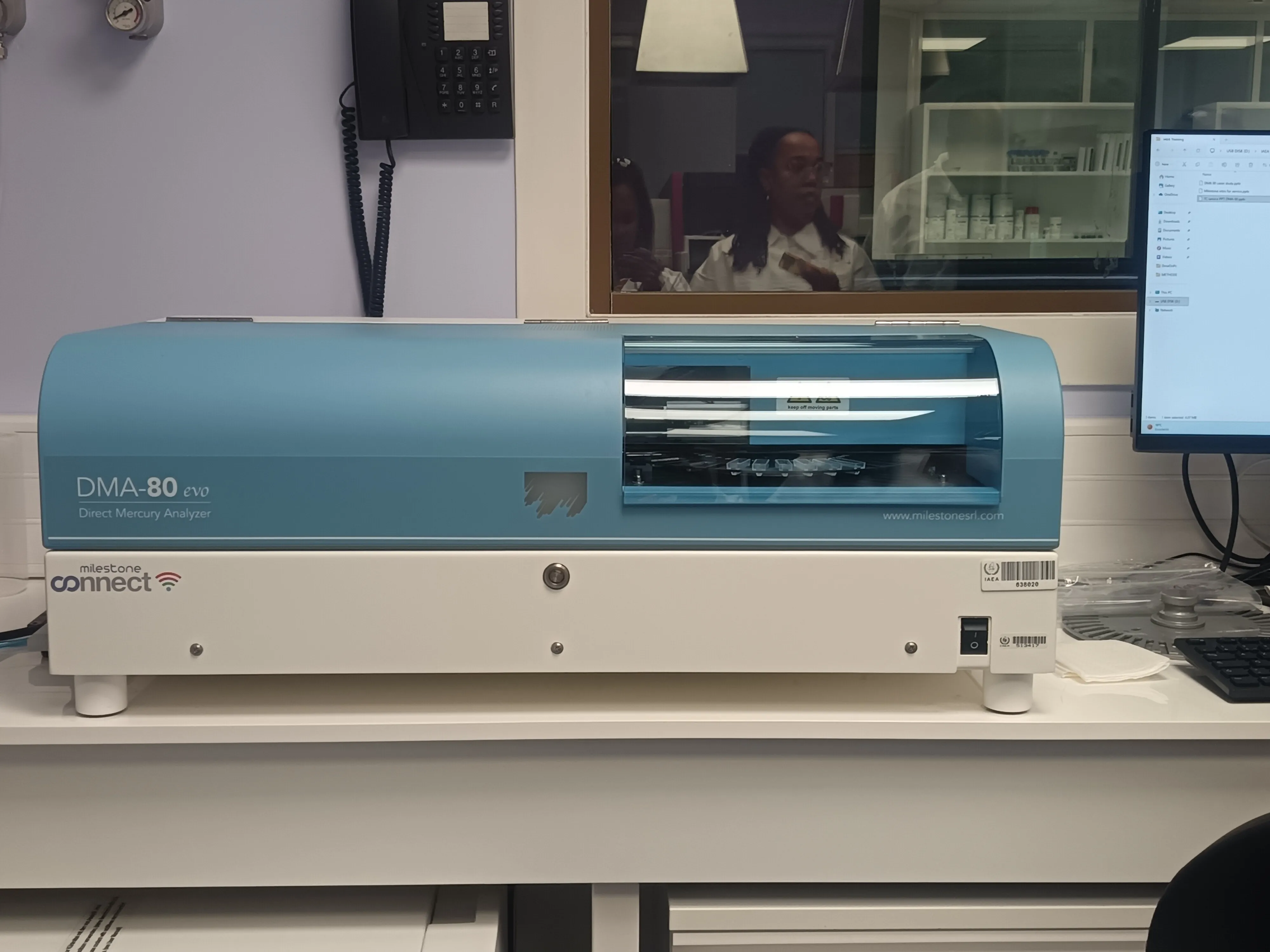
Taking place at a United Nations’ marine lab, the training involved tackling complex problems, group work, conducting lab work and hands-on facilitation to assist in addressing information and data gaps about mercury. “We mainly focused on solid analysis using the Direct Mercury Analyser (DMA),” Jacobs continued, “because it involves the least amount of preparation for a mercury-prevalent sample, which prevents the possibility of contamination. This will also affect how it is tested.”
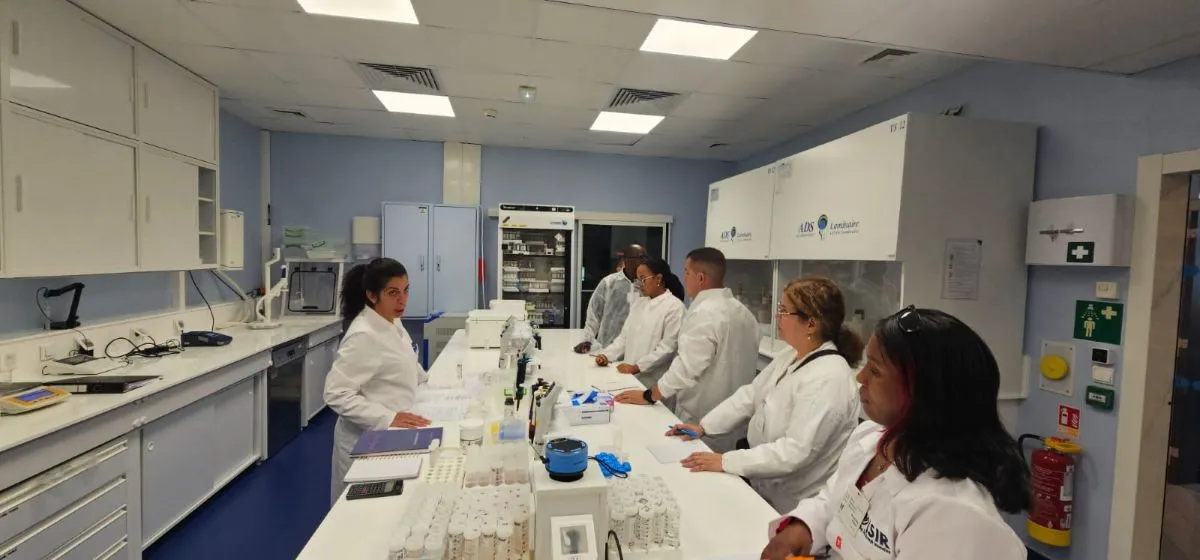
The participants who attended the workshop remained eager to share their experiences in managing mercury at their laboratories, which range from detecting mercury in marine wildlife and research, testing and abiding by their respective country regulations. They were also tasked with populating protocols with the necessary content details that included elaborations on methods and procedures to apply under various scenarios. “This was to equip us for when we return to the reality of our various laboratories and apply the same method of testing,” Jacobs highlighted.
In everyday life, mercury is a liquid metal that is commonly known and recognisable as the silver liquid in thermometers. The lesser-known fact is that mercury has its own environmental cycle. “Just like the water cycle, mercury also evaporates into the air, is taken up by plants, soils and animals, where it cycles and makes its way to humans,” she asserted.
“To date, errors for mercury testing are often induced by sample preparation and handling, which can be compounded by its volatile nature. However, with the DMA instrument, the majority of the time, you can insert your sample directly, preferably drying it beforehand. This results in less handling to produce a more accurate and reliable result,” emphasised Jacobs.
“I observed that labs in other countries adopt unique approaches when conducting mercury testing of environmental samples, which is influenced by factors such as the availability of resources. Some labs can purchase pipette tips at a whim and regard it as a trivial activity, whereas others face constraints and resort to recycling and reusing them where possible,” she said. “This is why inclusivity to protect data integrity was a key principle when we were drafting the Mercury Consensus.”
“We conducted some extractions and sample preparations. A specialist lab technician from Milestone facilitated demonstrations on the care and maintenance of the direct mercury analyser. Maintenance and troubleshooting of instruments, ensuring instruments remain in excellent condition, and data provision while handling consumables with the instrument were included. This was exciting because I seized the chance to learn to operate more effectively and use the instrument and ensure it is in perfect working order,” she maintains.

At the CSIR’s Environmental Laboratory in Stellenbosch, Jacobs conducts multiple routine tests on samples received that often display varying traces of mercury. “Where possible, the client provides an idea of what to expect, but now I am equipped with the ability to observe trends over time. This helps us monitor which marine tissues or sediments would display traces of mercury. And knowing what levels to expect,” she said.
The Mercury Consensus is currently undergoing final revision before its release and availability. “The long-term aim is for the participating countries to collect and share samples amongst each other. This will enable cross-testing to not only establish whether the training and approach have been effective, but also whether our countrywide approach has been applied and still be able to receive the data,” expressed Jacobs.