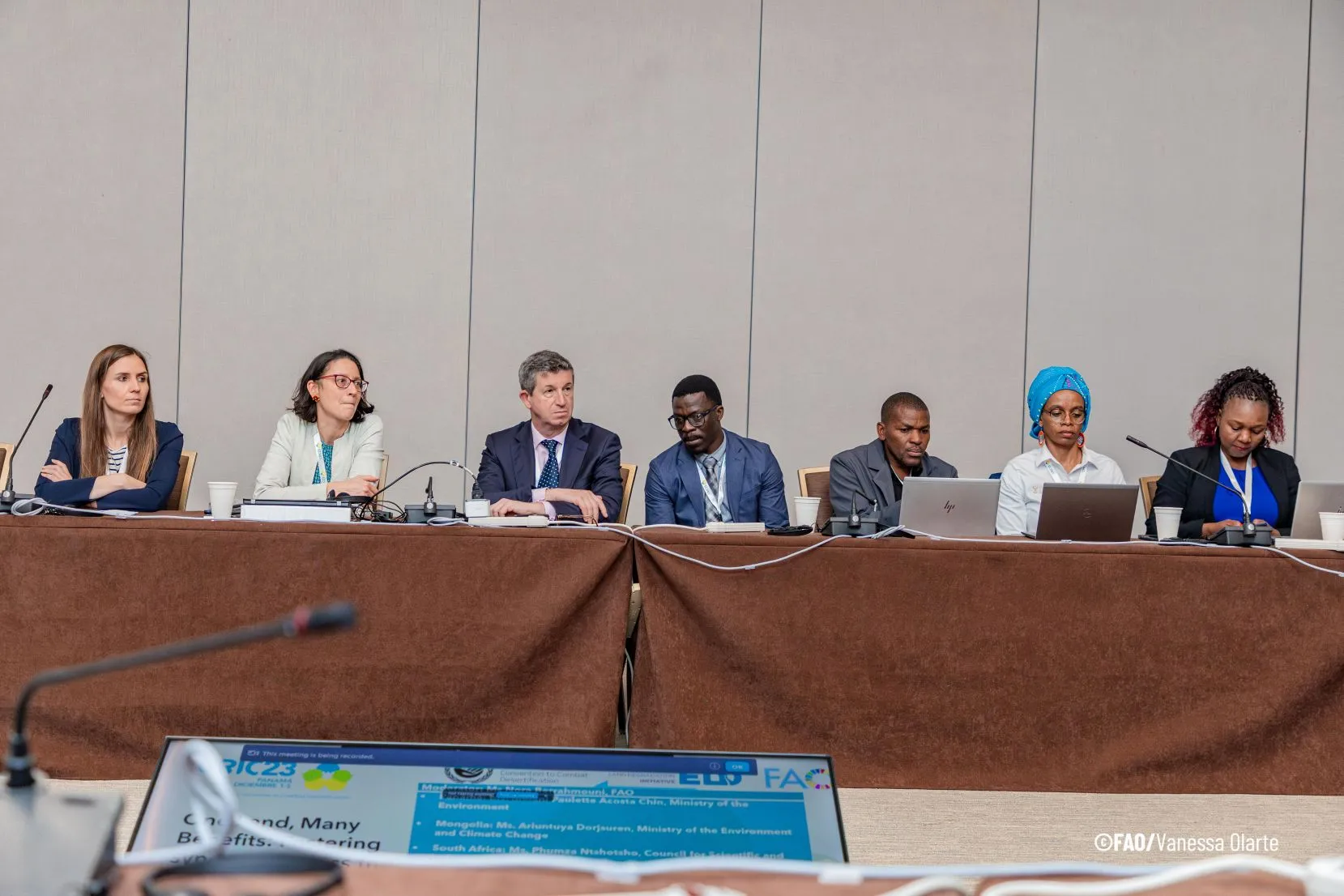
CSIR contributes to UN event on gender-responsive plans to combat land degradation and desertification
CSIR senior researcher Dr Phumza Ntshotsho contributed to dynamic dialogues focused on global efforts to tackle desertification, land degradation and drought at the 23rd meeting of the Committee for the Review of the Implementation of the Convention (CRIC 23) of the United Nations Convention to Combat Desertification (UNCCD), held in Panama City, Central America, from 1 to 5 December 2025.
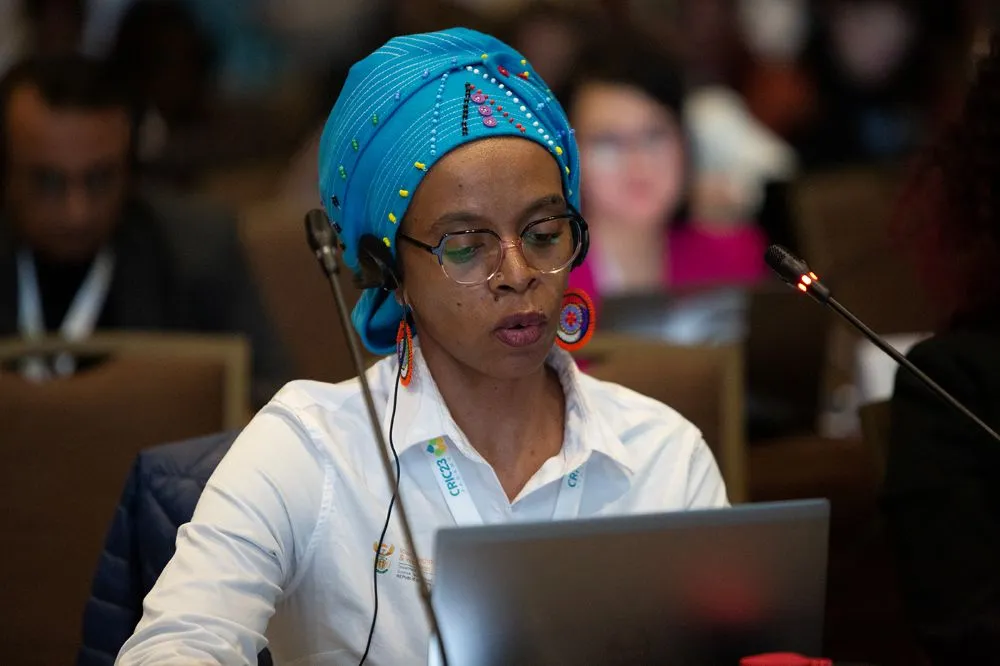
“The CRIC sets the agenda for the Conference of the Parties (COP), so all the statements, agreements and priority items identified in Panama will be tabled at the biennial COP in August 2026, where decisions will be made,” Ntshotsho says. “It was an eye-opening meeting. The five-day agenda was quite demanding, but it was important to ensure alignment among UNCCD member states ahead of COP17, to be held in Mongolia in August 2026.”
Gender and environmental factors are inextricably linked. “Women tend to be highly vulnerable to the impacts of climate change and habitat degradation. In most contexts, they are the stewards of land management,” she says. “The UNCCD is very deliberate in elevating the role women play in decision-making and negotiations aimed at halting and reversing land degradation and biodiversity loss. The Gender Action Plan received extensive review and parties emphasised that resource allocation must be prioritised for women's empowerment and to remove imbalances that hinder their ability to do so.”
Ntshotsho’ s participation, as a member of the South African delegation, was made possible through her selection and funding by the European Union to be part of the first cohort of women negotiators trained to advance the implementation of the UNCCD Gender Action Plan. The programme’s primary aim is to reduce gender inequality and elevate women and girls as equal players and stakeholders in the implementation of the UNCCD.
An outstanding feature of the CRIC23 was the debut of the Gender Caucus, which provided a dedicated space to integrate women's perspectives and empower women in land restoration efforts – especially indigenous women's leadership in land management – into policy for combating desertification. It is envisaged that this will strengthen gender-responsive actions and inform COP17 decisions taking place later this year.
During a plenary session on the Gender Caucus, Ntshotsho delivered South Africa’s Position Statement, highlighting the country’s priorities for the development and promotion of capacity-building activities to advance the implementation of the Convention. These priorities include improving policy frameworks and addressing thematic issues such as sand and dust storms, land tenure, drought, land degradation and communication procedures to the COP.
“South Africa is no stranger to desertification, land degradation and drought issues, hence the Department of Forestry, Fisheries and Environment’s commitment to participating in these multilateral agreements,” Ntshotsho says. “Under the UNCCD, land degradation is a global concern. The current set of land degradation targets has been updated from the original iteration and South Africa has been a leader in developing these targets and is one of the leaders in addressing land degradation neutrality.”
Ntshotsho also served as a panellist during a food and agriculture organisation-led side event on fostering synergies across the three Rio Conventions.