Every year on 29 April, Stop Food Waste Day is the largest single day of action aimed at raising awareness about the massive scale of food waste and encouraging action to reduce it. The CSIR supports national and global efforts to combat food loss and waste reduction. The organisation is a data analysis implementing partner in the South African Food Loss and Waste Initiative, an undertaking of the Consumer Goods Council of South Africa.
By examining data on food and waste over three consecutive years, the South African Food Loss and Waste Initiative aims to establish a definitive baseline to track food loss and waste generation. The CSIR is set to analyse the latest reporting cycle of the Initiative. This can be instrumental in measuring South Africa’s progress towards SDG 12.3 - the global target to halve per capita food waste and reduce losses across production and supply chains by 2030.

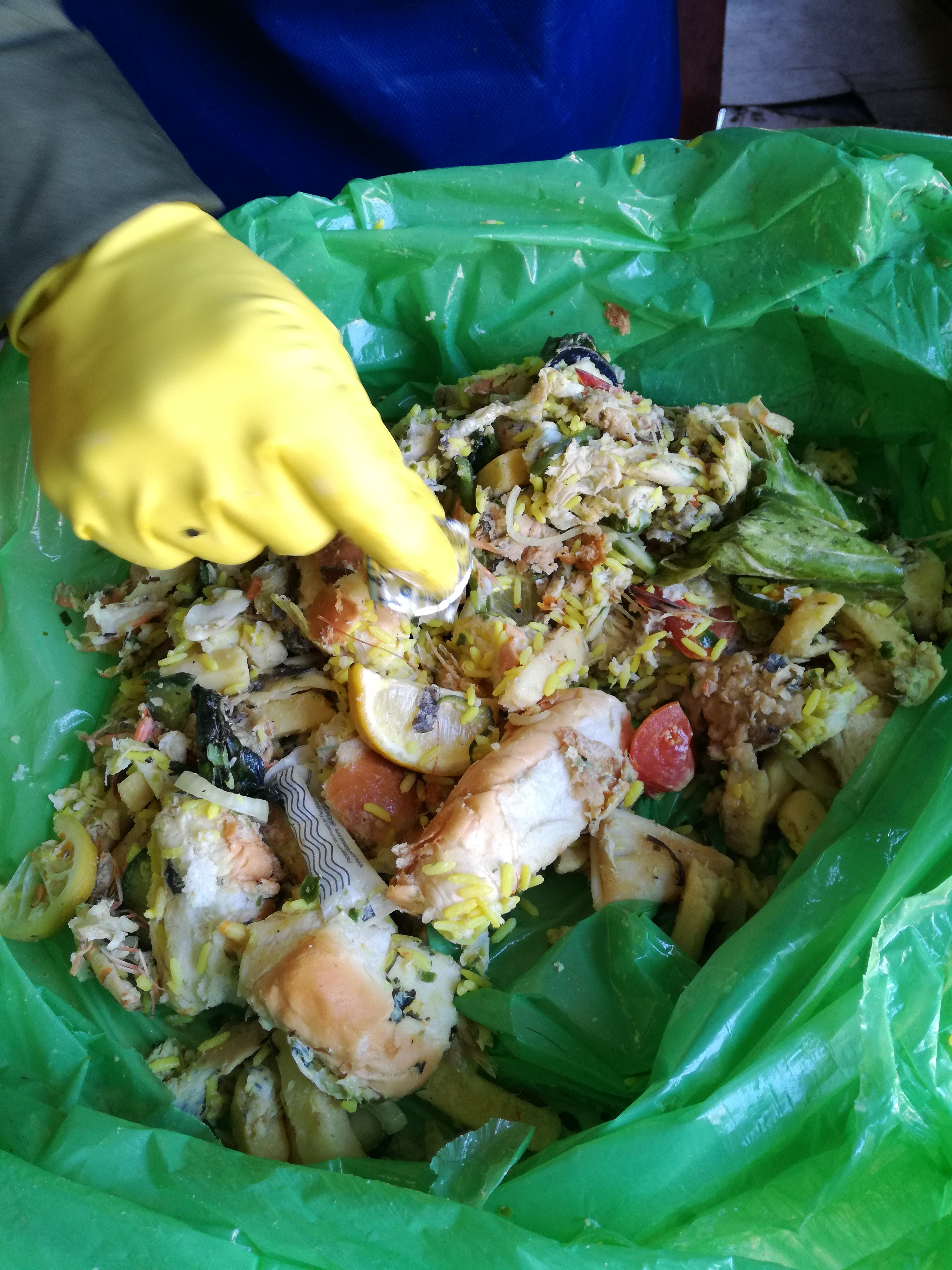
Plans to curb food loss and waste in South Africa are underway following a partnership between the CSIR, the Consumer Goods Council of South Africa, and its South African Food Loss and Waste Initiative - a public-private voluntary agreement committing to the United Nations’s 2030 Agenda Sustainable Development Goal target 12.3.1, the global commitment to halve per capita food waste at retail and consumer levels.
The project has been supported by the initiative's strategic partner, the Waste and Resource Action Programme, which was instrumental in securing project funding through Rainier Climate. Additionally, the initiative is leading the development of comprehensive business cases to reduce food loss and waste, tailored specifically to South African food businesses, with technical support from the CSIR, the African Circular Economy Network and Circular Vision.
“The CSIR values the cross-sectoral partnership shared with the Consumer Goods Council of South Africa, the South African Food Loss and Waste Initiative, and looks forward to the information that will be made available based on data and scientifically developed conversion factors,” says CSIR principal researcher Prof. Suzan Oelofse.
Furthermore, the CSIR is demonstrating its approaches to reducing waste and advancing circular economy solutions and has applied its research capabilities in conducting a technical study quantifying flood loss and waste in South Africa and the evidence-based food waste prevention and management guideline, which was developed in collaboration with the Department of Forestry, Fisheries and the Environment.