Dr Phumza Ntshotsho from the CSIR’s Biodiversity and Ecosystem Services research group joined over 200 multidisciplinary experts from all over the world in France to kick off the Second Global Assessment (2GA) for the Intergovernmental Science-Policy Platform on Biodiversity and Ecosystem Services (IPBES).
The 2GA aims to expand on the First Global Assessment Report on Biodiversity and Ecosystem Services that was published in 2019 and will highlight the changes that have taken place since then.
The previous assessment confirmed that nature is in decline, compromising its ability to support human well-being and thriving societies. “We know that this decline is continuing, as evidenced by matrices such as Earth Overshoot Day and Planetary Boundaries, which paint a gloomy picture. This reinforces the urgent need for this second global assessment, which will collate and evaluate evidence to illustrate the extent of the decline of biodiversity and ecosystem services and make actionable recommendations for policymakers to implement evidence-based measures to turn the tide,” says Ntshotsho.
Ntshotsho is a lead author on Chapter Three of the 2GA, which focuses on describing the global and regional status of, and trends in, nature; the direct and indirect drivers of change; nature’s contributions to people; and good quality of life.

“The ‘good quality of life' subchapter is a new feature in the IPBES assessment and I am delighted to be collaborating with a diverse group of authors as we define what constitutes a good quality of life in harmony with nature, not only through a scientific lens, but also taking cognisance of indigenous and local knowledge (ILK) perspectives. The importance of this subchapter is that it will highlight the importance of approaching socioeconomic development in a way that does not compromise the planet’s well-being,” Ntshotsho says.
The methodological approach adopted places emphasis on the inclusion of diverse knowledge systems, with a dedicated chapter on ILK. “We have been mandated to include ILK in all the chapters of the assessment. This integration of science and indigenous knowledge will ensure a comprehensive, inclusive and widely relevant Second Global Assessment.”
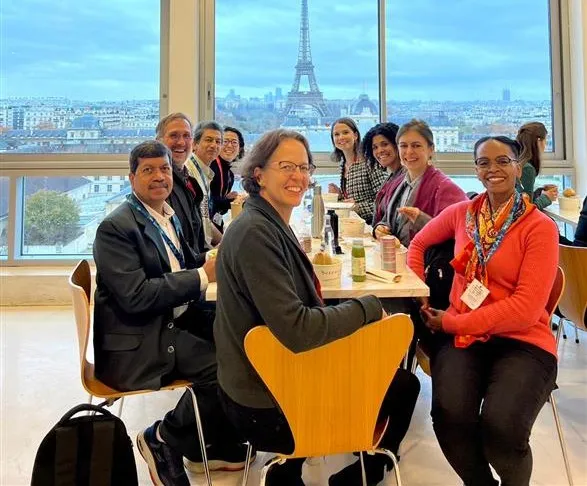
Ntshotsho is one of six experts from South Africa who were nominated by the Department of Forestry, Fisheries and the Environment to represent the country in the assessment. The strategic importance of voluntary country membership in IPBES is that it assists with overcoming the science-policy barrier using the best available evidence and supports robust policy development that advances progress towards attaining not only global biodiversity targets, but also other multilateral environmental conventions and the Sustainable Development Goals by enhancing synergistic outcomes.
“My passion for evidence-based policy and practice inspired me to grab this rare opportunity to participate in the IPBES Second Global Assessment. I am looking forward to making a significant contribution to the assessment over the next two years and to ultimately supporting our government with the uptake and implementation of the assessment report once it is finalised in 2028,” she concludes.
Published 26 March 2026