The CSIR has partnered with Ghanaian biotech firm Yemaachi to map African cancer patients’ DNA, RNA and proteins.
In February 2025, Yemaachi and global pharmaceutical giant Roche initiated a project called The African Cancer Atlas (TACA) to address the lack of African genomic data in global cancer research. The CSIR has now joined TACA’s effort to collect biological and health data from up to 7 500 African cancer patients.
The resulting database will help scientists and clinicians discover new cancer biomarkers and targets for drug development, ultimately improving outcomes for patients of African ancestry.
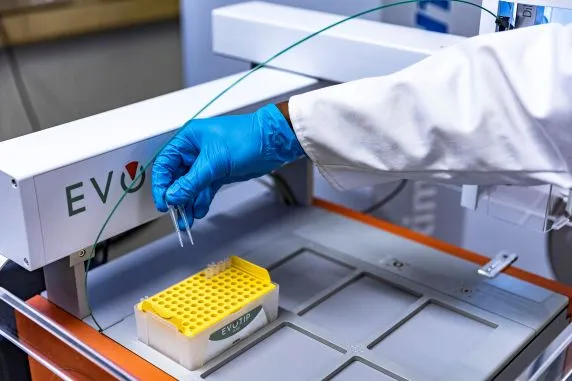
“We’ve recently signed a memorandum of understanding with Yemaachi to begin a pilot study focused on breast cancer across diverse African geographies,” says Dr Jerolen Naidoo, one of the lead scientists behind the CSIR’s African Clinical Multiome Atlas Platform (Clin-MAP).
The collaboration with Ghana on the TACA project is ideal, he says, because the CSIR has an established clinical research network covering southern Africa, whereas Yemaachi’s reach extends into eastern, western and northern Africa.
“We’re coming together to look at how we get representation; how do we accurately capture the mosaic of diversity that is representative of our continent? Our continent is so diverse geographically, so we need to have multiple clinical sites,” says Dr Tracey Hurrell, a Clin-MAP co-lead.
“The African Cancer Atlas is not just about filling a data gap; it is about creating a model for inclusive and equitable research,” said Yaw Bediako, CEO of Yemaachi Biotech, in a public statement.
Using patient samples derived from clinical sites linked to university hospitals and other research institutes across Africa, CSIR researchers will contribute to TACA in this pilot study by mapping the proteomic signatures of disease by analysing how proteins like enzymes, hormones and antibodies (the proteome) interact to dictate a patient’s clinical state.
“The CSIR’s proteomics facility is a core national research centre equipped with a state-of-the-art mass spectrometer,” says Dr Ireshyn Govender, a Clin-MAP co-lead and head of the CSIR proteomics platform.
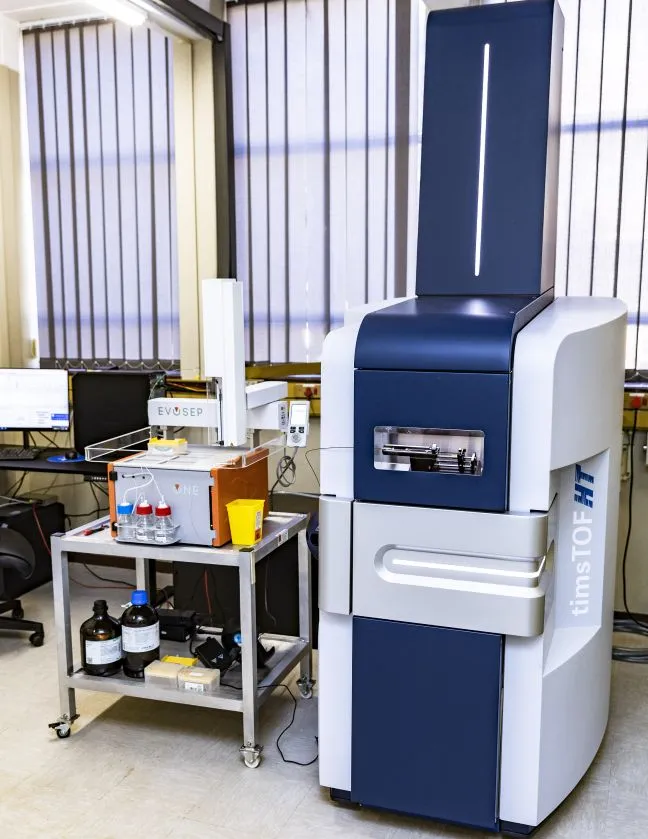
The CSIR is currently one of the only institutions in South Africa with the additional facilities and expertise in-house to overlay this protein data with DNA (genomics), RNA (transcriptomics) and microbiomics data. This generates what scientists call the multiome (multiomics).
“Our unique offering as the CSIR is that we have all of the different technologies to profile and study genes, proteins and gut microbes in one place,” adds Hurrell. “And, through additional international partnerships with a US-based pharmaceutical company and a US-based artificial intelligence (AI) analysis platform (PromptBio), we will go even further by integrating single-cell multiome and organoid technologies with AI-powered analytics for deeper insights."
Naidoo says that in the same way Google Maps layers live-traffic data, satellite imagery, road maps and user reports to help drivers navigate from A to B, Clin-MAP layers genomics, transcriptomics, proteomics and microbiomics data to help researchers and clinicians navigate disease from diagnosis to treatment.
“What we're doing is creating multiple layers of information to go from a basic and static atlas of disease to a dynamic, interactive and multilayered digital map of clinical data,” he says.
Govender says the TACA cancer multiomics pilot study, like other studies the Clin-MAP team have undertaken around tuberculosis and autoimmune disease, will help advance Clin-MAP’s two main goals: to support researchers and clinicians, and to enable the development of diagnostics, prognostics and treatments tailored to Africa’s unique genetic and clinical diversity.
"Clin-MAP prioritises ethical data stewardship and real-world impact, aiming to translate scientific discoveries into tangible health benefits for African communities,” he says. The team has also made a point of responsible data categorisation by focusing on geography and clinical subtypes rather than simplistic ancestry labels for different populations.
The data and insights generated by projects like Clin-MAP and TACA are expected to extend beyond research into industry: they can support local drug and diagnostic discovery and manufacturing, while offering Africa-specific data to local biotech startups and global players without compromising data sovereignty or ethics.
More information about our research, facilities and services: https://www.csir.co.za/what-we-do/health/genomics/multiomics
Published 03 March 2026