Twenty participants from across Africa completed advanced training on the principles of preservation and aseptic technique in biomanufacturing on Friday, 30 October 2026, at the CSIR Scientia campus in Pretoria.
The training was delivered through the Southern African Biomanufacturing Training Hub (SABTH), hosted by the CSIR with support from KfW Development Bank.
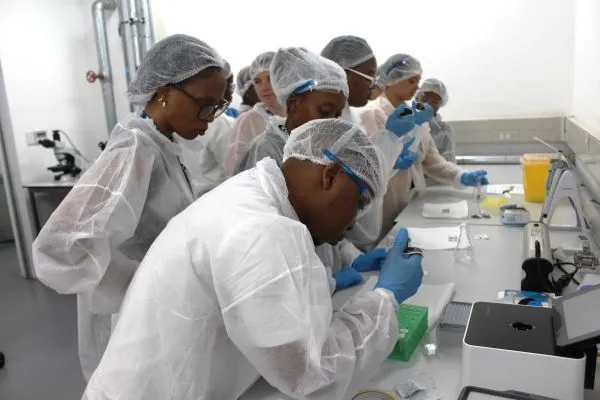
Preservation and aseptic techniques are essential components of biomanufacturing, ensuring that microorganisms retain their viability and stability during storage and that contamination is minimised throughout production.
CSIR senior researcher Yrielle Roets-Dlamini said, “Microbial preservation safeguards the viability, purity, genetic stability and functional characteristics of your biological material, while aseptic techniques minimise contamination risks throughout production. Together, they form the foundation of reliable biomanufacturing, ensuring that biological products are produced safely, consistently and efficiently, without compromising product quality or performance.”
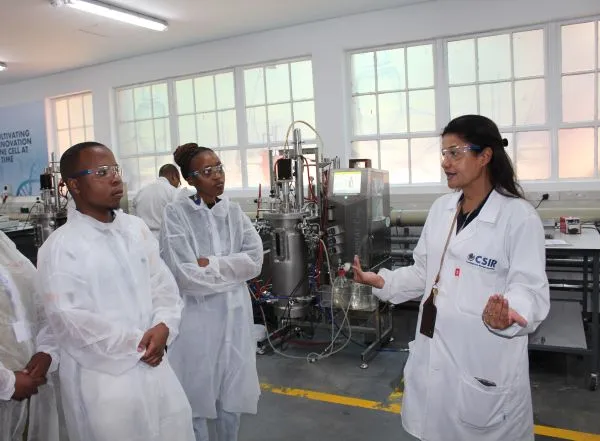
This course equips scientists, technicians and biomanufacturing personnel with the essential theoretical understanding and hands-on skills to implement effective microbial culture preservation strategies and apply aseptic techniques across laboratory, research and biomanufacturing environments.
“The skills developed through this training by the participants will help improve product quality, support local vaccine and pharmaceutical manufacturing and strengthen the ability to meet healthcare needs independently in workplaces,” she added.
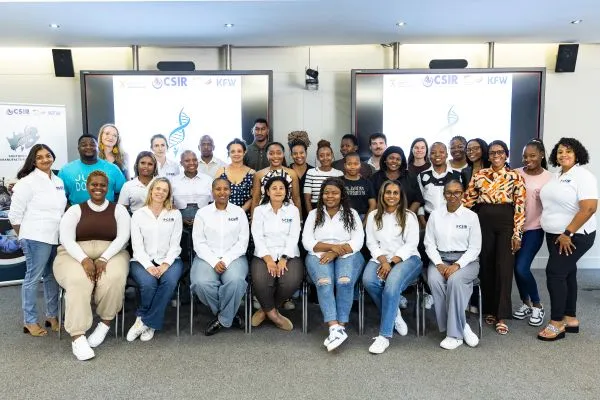
SABTH contributes to strengthening South Africa's biomanufacturing capabilities by providing practical training aligned with the industry, supporting innovation, and promoting the local production of biopharmaceuticals, vaccines and biotechnology products.
Published 25 November 2026