The Council for Scientific and Industrial Research Natural Language Processing (NLP) research group hosted a webinar titled: Leveraging natural language processing to address national educational challenges in South Africa, on Wednesday, 16 September 2026 at the CSIR Scientia campus in Pretoria.
The webinar focused on how NLP technologies can improve learning outcomes and increase access to education in South Africa. It explored how NLP technologies can support learners, educators and institutions through practical, user-friendly solutions tailored to South African contexts.
The aim of the webinar was to highlight the importance of leveraging emerging technologies to build a more inclusive and effective education system.
CSIR Principal Artificial Intelligence (AI) Specialist and Acting Research Group Leader: NLP, Avi Moodley, said: “NLP improves learning outcomes by enabling learners to access and engage with educational content in their own languages, helping to overcome language barriers and making learning more inclusive and effective.”
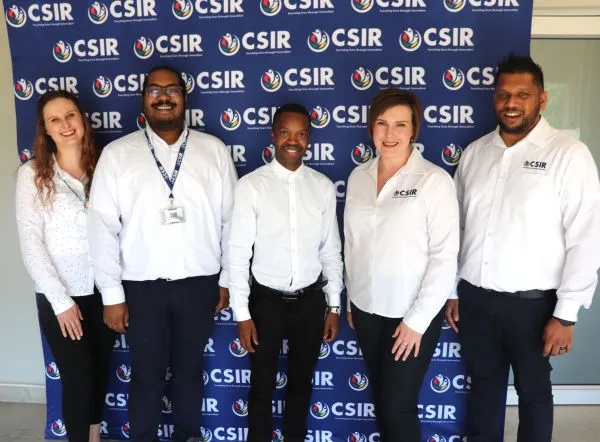
As a multilingual country with 12 official languages, South Africa faces unique educational challenges related to accessibility, digital inclusion and language barriers. The session explored the role of technology in addressing these challenges. “Our intention is to demonstrate how AI-powered language technologies can make educational content more accessible and engaging for learners, teachers and parents,” added Moodley.
Attendees were introduced to several innovative solutions, including an NLP-powered WhatsApp chatbot, text-to-speech voices and personalised story generation tools. These technologies enable users to access and interact with information through natural language.
The webinar concluded with a question-and-answer session, providing participants with an opportunity to engage with the presenters and explore potential future collaborations.
Published 12 October 2026