Elandskloof community launches its wattle-brick community centre as circular housing building solution
Who would have thought that a community centre could be built from black wattle bricks – clearing riverbanks of alien invasive trees while providing a functional, durable and beautiful building?
Elandskloof locals in Citrusdal in the Western Cape are the proud owners of a new community centre built from organic, non-indigenous materials, launched on 25 March 2026. The locals, often referred to as Elandsklowers, and dignitaries filled Elandskloof’s historic church for the launch of the new sustainably constructed community centre.
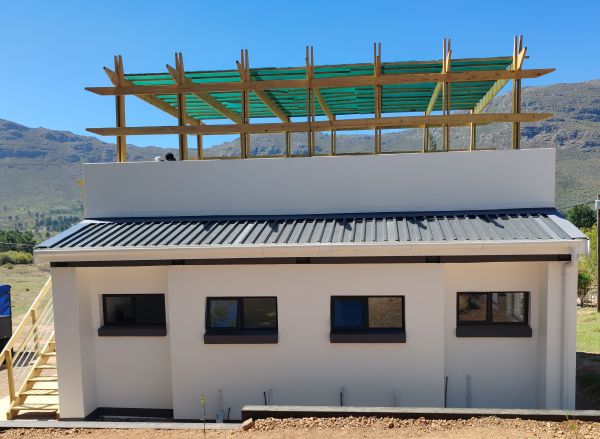
Standing tall among the Fynbos and Cederberg mountains is the Elandskloof Community Centre, launched on 25 March 2026, built from bricks made from the biomass of invasive black wattle trees
The Elandskloof community was joined by representatives from contributing organisations, including the Institute of Technology in Architecture at ETH Zurich, Switzerland; Nedbank; the Department of Science, Technology and Innovation (DSTI); the CSIR; CapeNature; World Wide Fund for Nature -South Africa (WWF-SA); nonCrete; the Department of Environmental Affairs and Development Planning; Cederberg Local Municipality; Phuhlisani and One-Nil Construction.
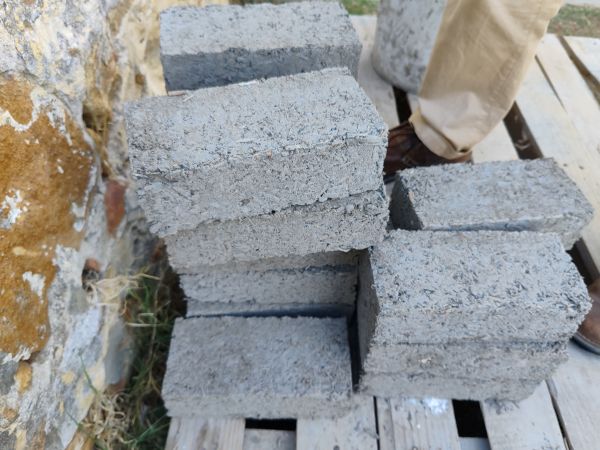
Once something is circular, it means that everything from the product can be reused. The community centre was built from black wattle trees (Acacia mearnsii) sourced along the Boontjies mountain stream. Chipped organic material from the black wattle was mixed with minimal cement and a proprietary binder to create the mix used to construct the centre.
Funding secured from the CSIR through the Circular Innovation Fund South Africa; the DSTI, Science, Technology and Innovation for Sustainable Human Settlements Roadmap; WWF-SA and Nedbank led to the implementation of the three-year ‘Alien biomass to housing’ project with nonprofit Phuhlisani and the Elandskloof community. The partnership has resulted in a groundbreaking design and construction methodology for affordable, sustainable, fire-resistant buildings, with a view to revolutionising housing, building and conventional architectural practice.
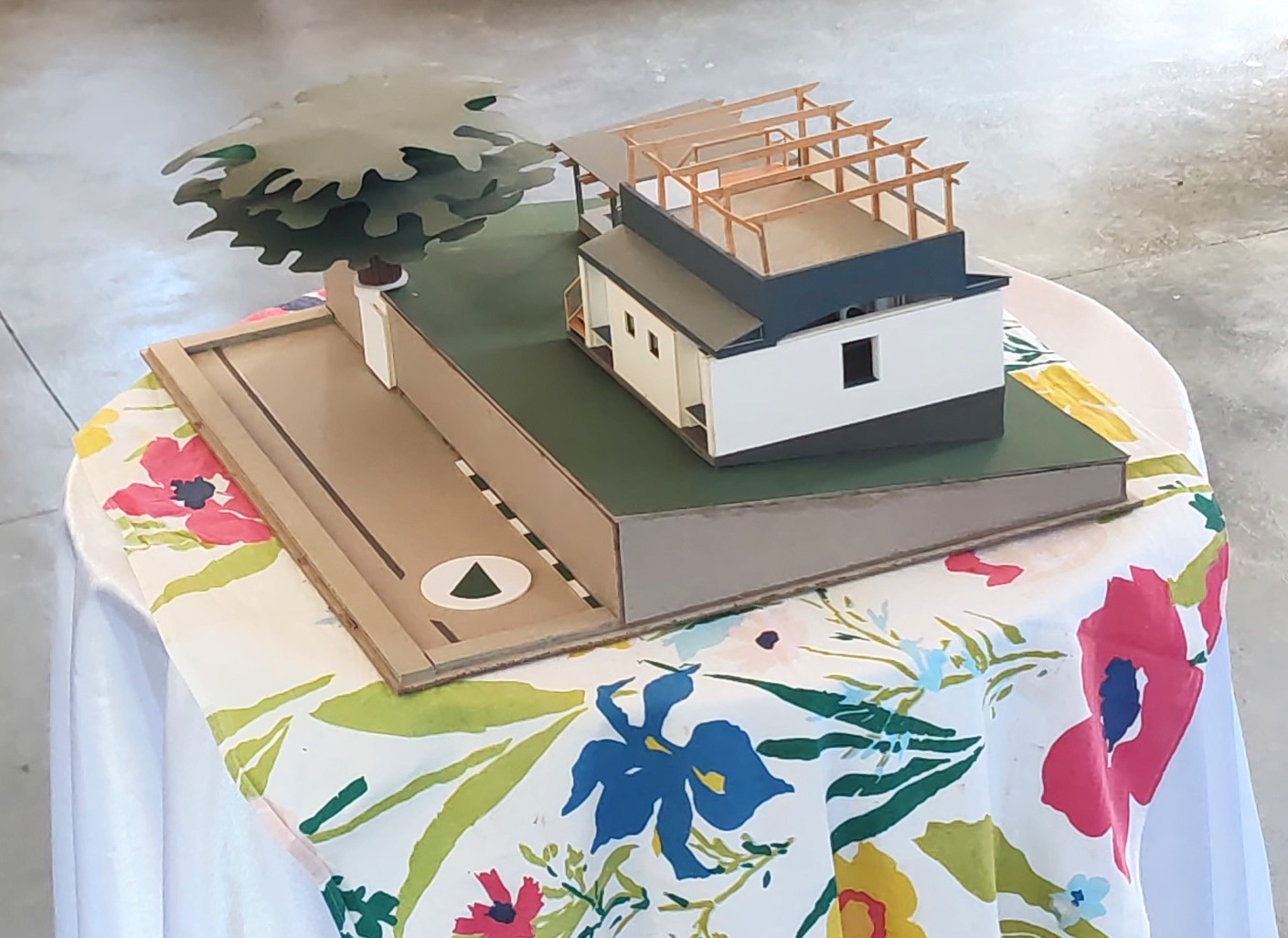
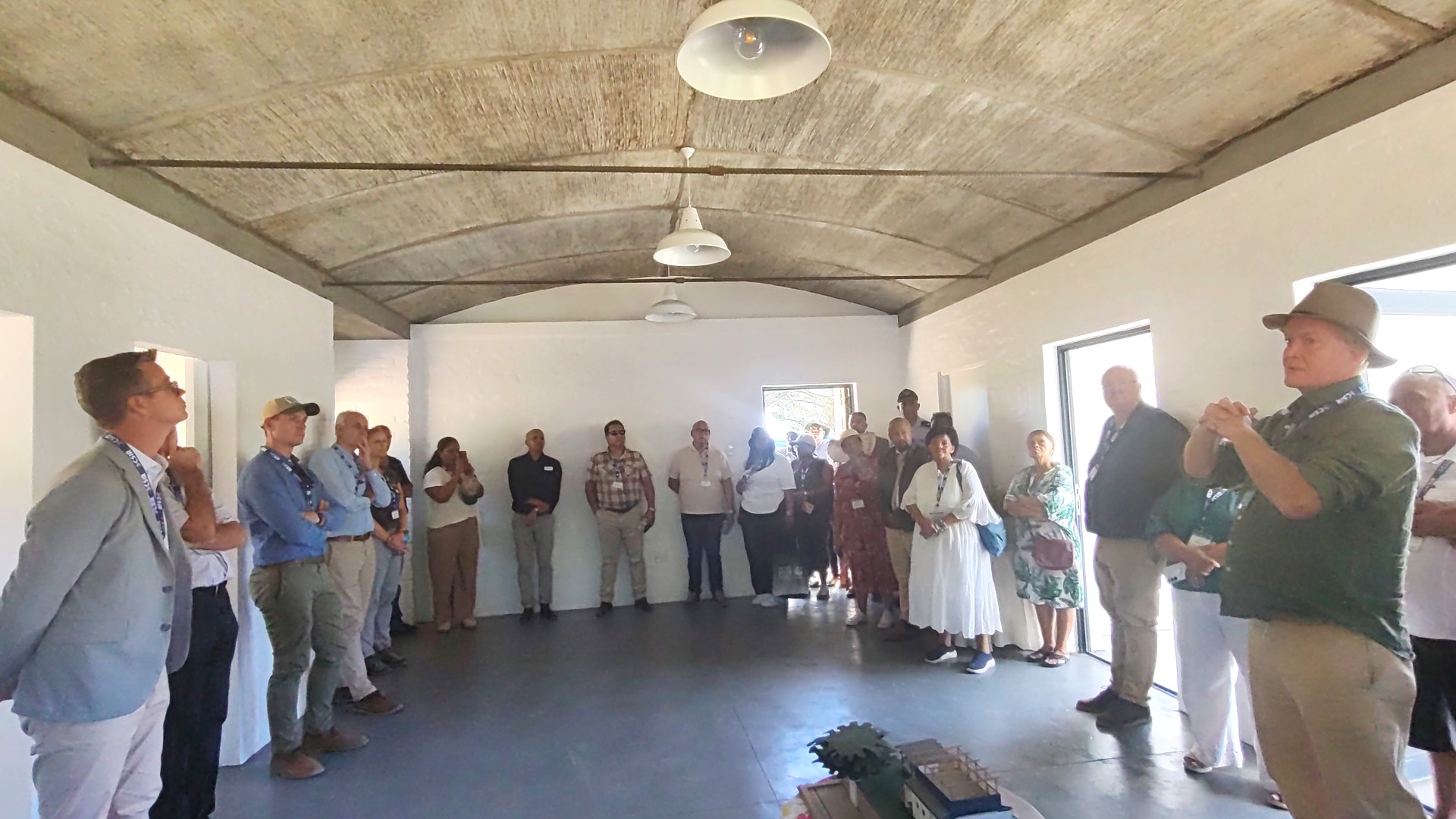
The new community centre measures 8m x 8m and utilised 18 000 wattle bricks. The biomass is cleared from local riverbanks, chipped and combined with a specially developed low-carbon binder
Dr Coralie van Reenen, Research Group Leader of Infrastructure Innovation at the CSIR, says, “This initiative has demonstrated how circular economy principles can be put into practice, with the potential to help mitigate housing backlogs in South Africa. Waste biomass that would otherwise be burned or left to decompose, releasing carbon, is utilised in the nonCrete mixture, capturing carbon, providing employment and regenerating the natural environment while supporting infrastructure development in the built environment.”
“When meeting Stephen Lamb from nonCrete, he informed us that we could make a brick from the invasive black wattle trees. The community was intrigued and decided to give it a go. Ons het hulle vertrou (We trusted them),” said master of ceremonies and community member George Mentoor.
Mostly descendants of the Khoi people who were forced off their land in 1962, the Elandsklowers were, in 1996, the first community in post-apartheid South Africa to have their land restored to them. The farm is situated in the valley of the Groot Winterhoek Strategic Water Source Area, one of 22 key water sources for South Africa and clearing the Boontjies River of black wattle remains an ongoing activity to free the water source from invasive tree infestation and prevent the depletion of the limited freshwater supply.
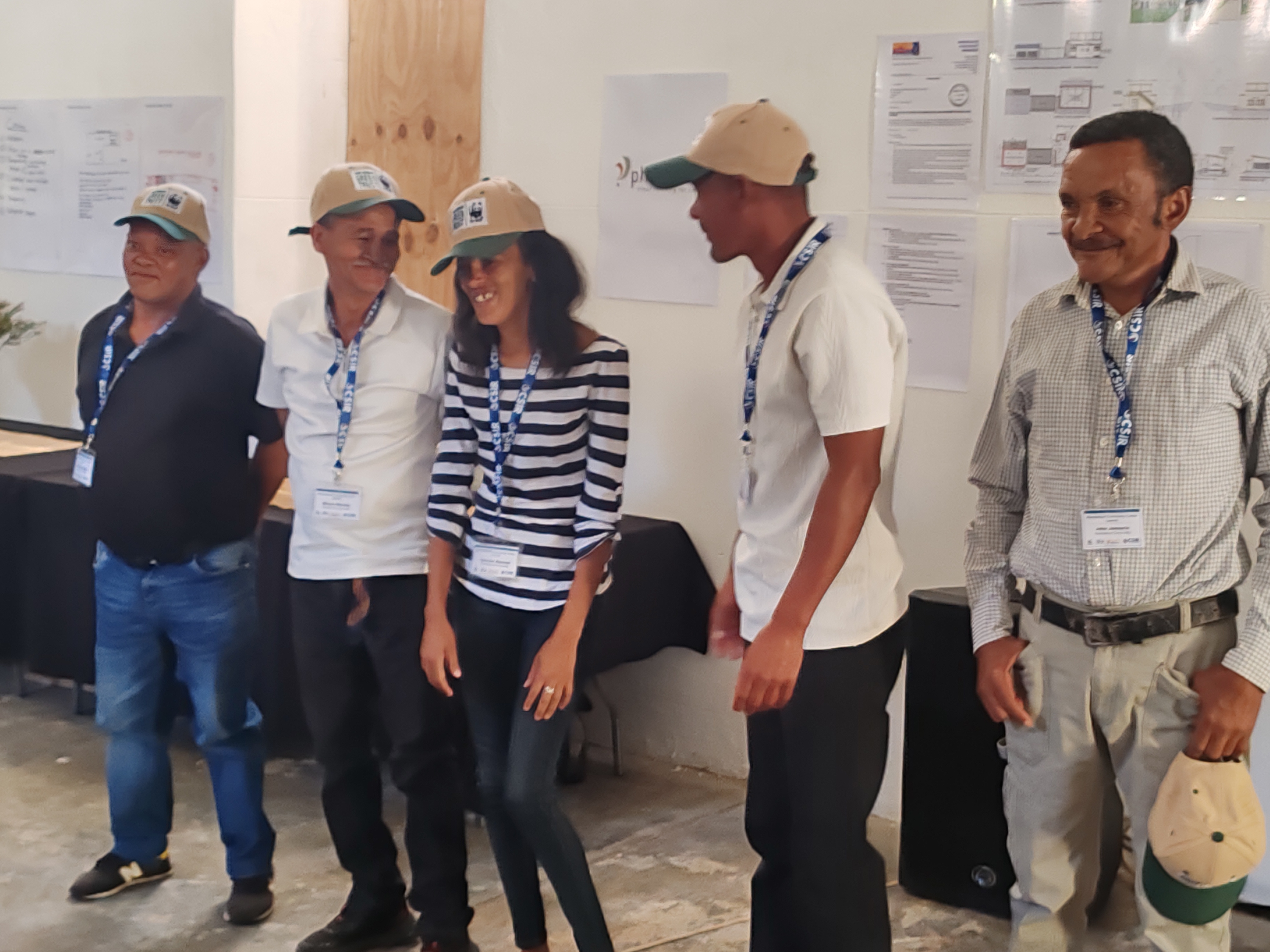
Clearing the river of the nuisance invasive tree kept seven members of Elandskloof employed as the building team. They became experts in the mechanical chipping of biomass, a key ingredient in the low-carbon biomass mix. Over time, nonCrete, Phulisani, One-Nil Construction and the Elandskloof community built a relationship of trust and learning.
“We were able to provide training workshops and skills transfer to develop the brick,” Mentoor says. “What you are seeing today is the result of us believing in each other and trusting one another. We are the first to make a building brick out of invasive alien trees and this makes the day very special.”
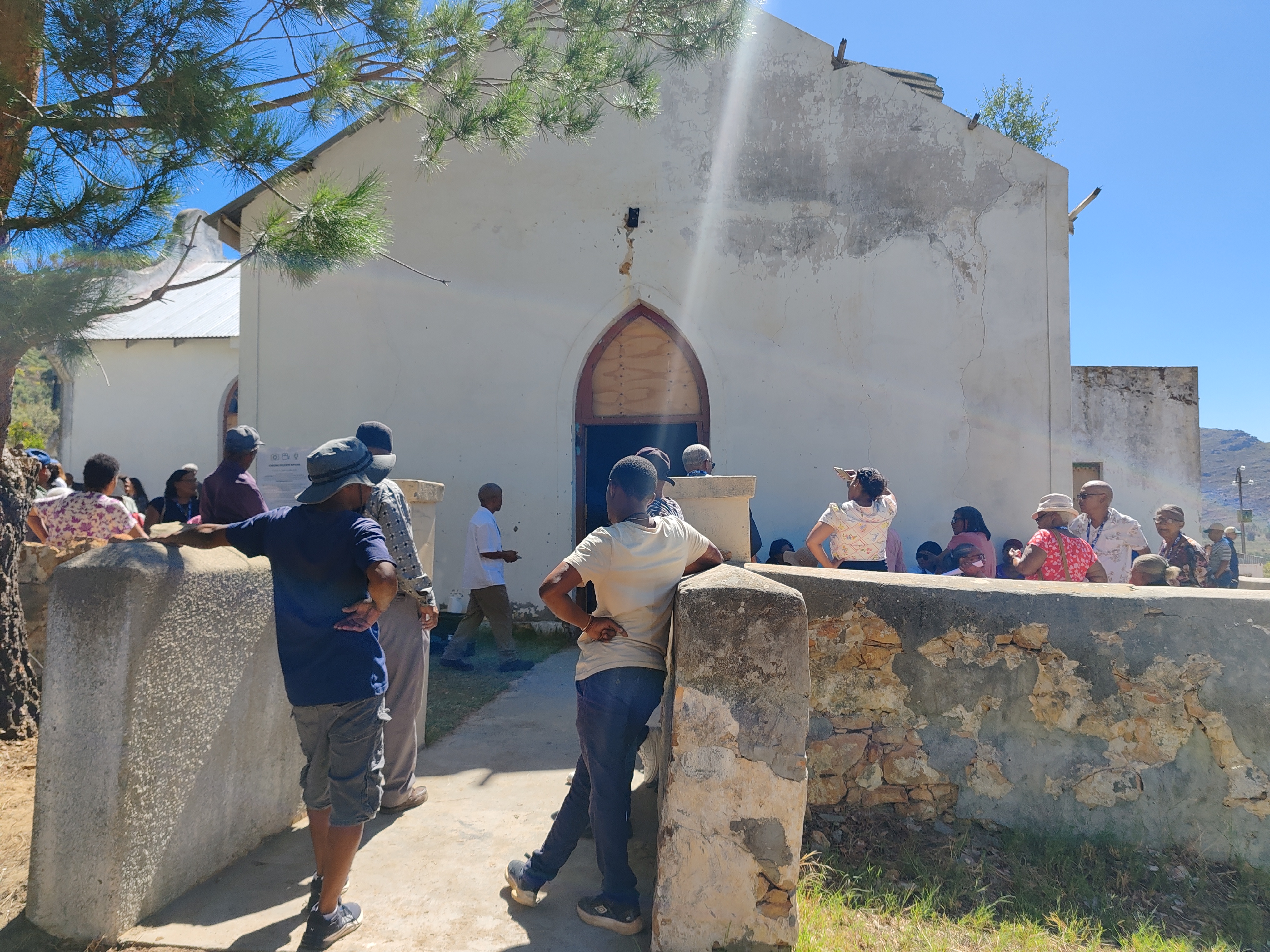
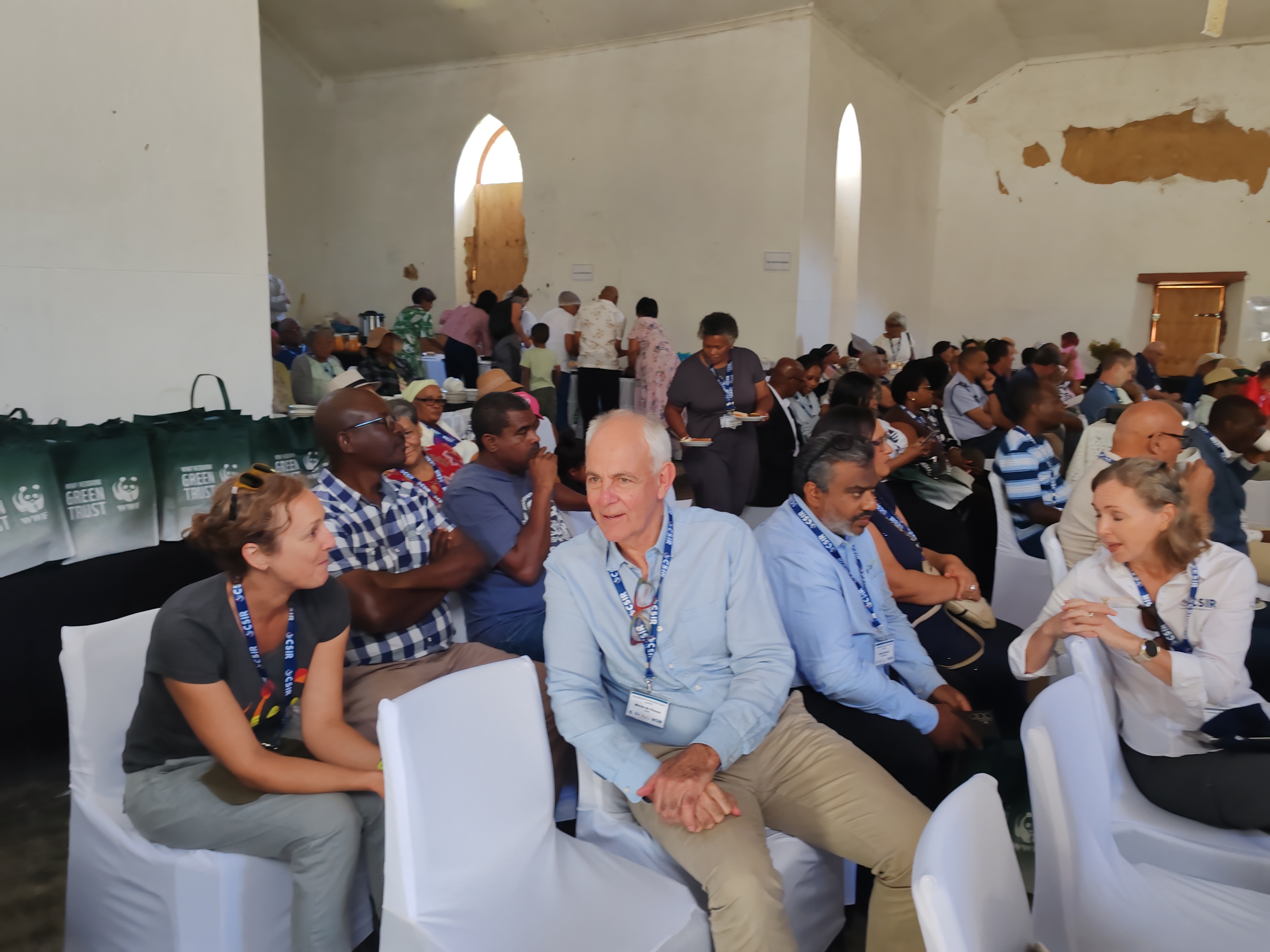
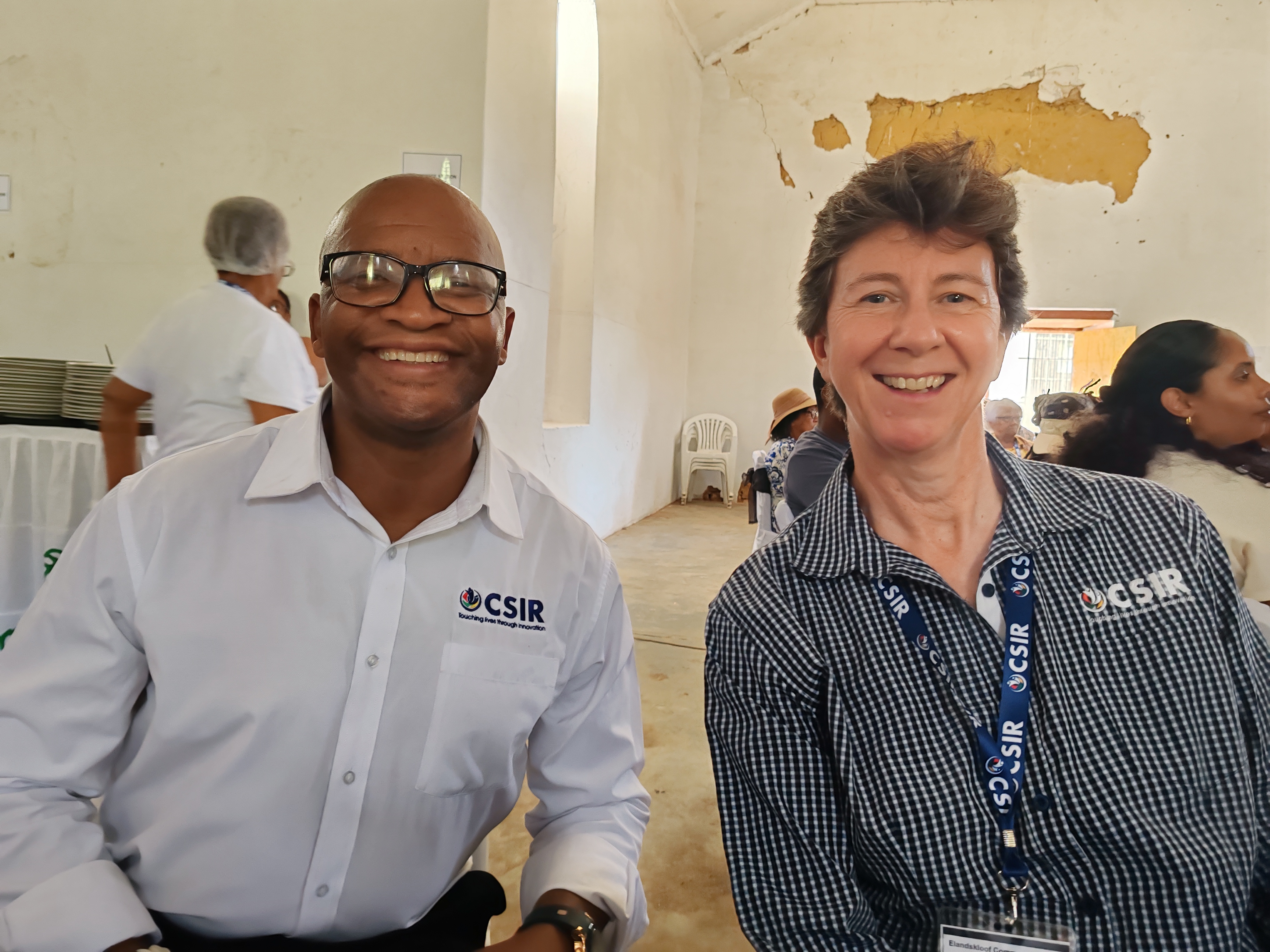
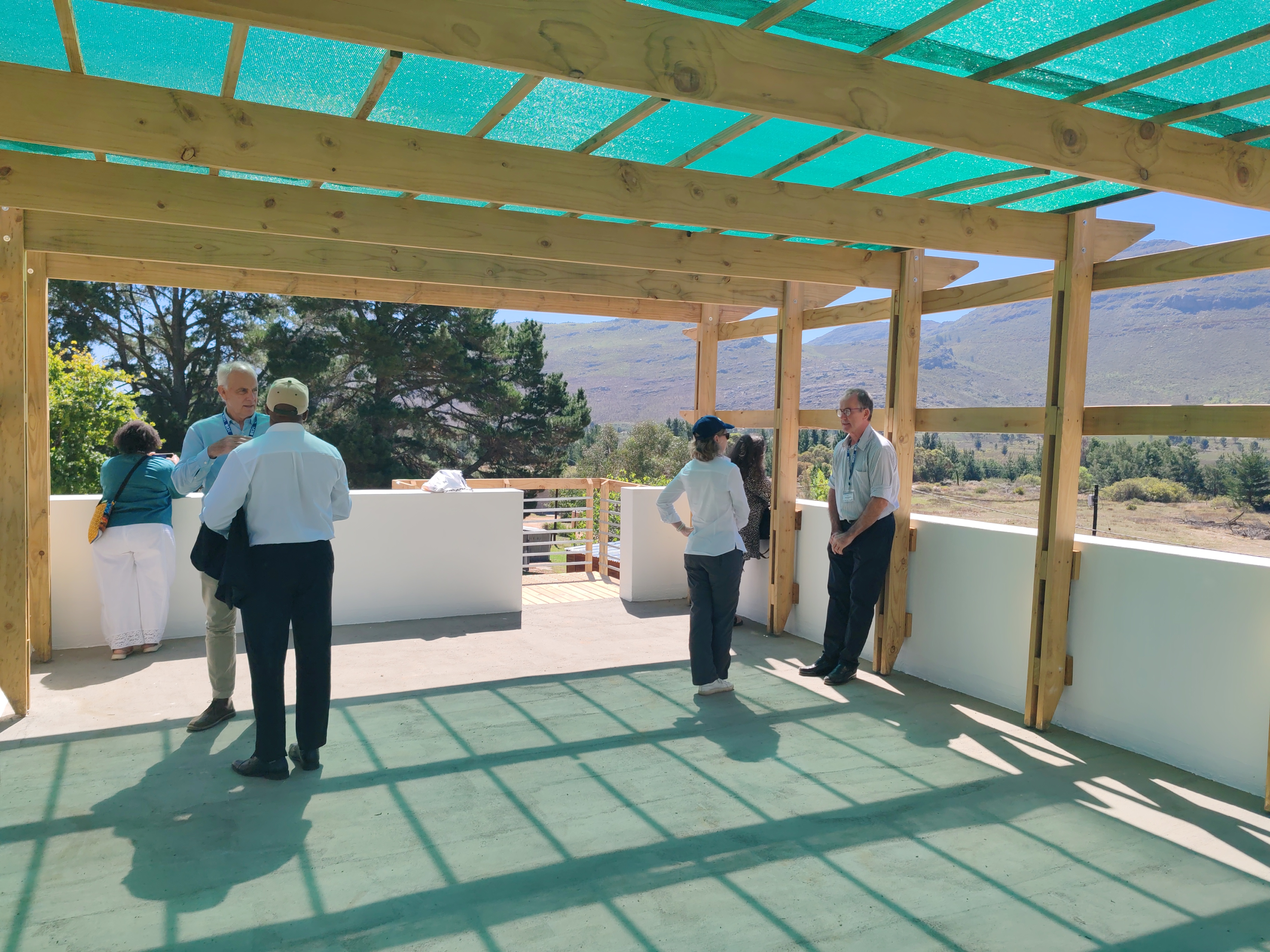
Elandskloof community members and a multi-organisational partnership representing all spheres of government, the private sector, research institutions, non-government organisations, conservation agencies and non-profit organisations attended the launch on 25 March 2026
Deputy Director-General at the Department of Science, Technology and Innovation, Dr Mmboneni Muofhe, emphasised that the brick has been co-created with the community as a scientifically sound product. “This partnership is sowing seeds and we are enjoying this journey of walking with you as partners,” he says. “We are trying to ensure that science, technology and innovation work for people and must remain mindful of those who are coming after us.By demonstrating the circular economy in various industries and sectors, we can create circular economy entrepreneurs.”
Joining the festivities on the day, Executive Mayor of Cederberg Local Municipality, Azrial Scheepers, remarked, “Today is a celebration of perseverance and a dream that really came true for us. Every contribution undoubtedly made a difference. A beacon of hope is being instilled in the youth – allow the centre to unlock your dreams,” he says. “The value of the building does not reside in its structure but in how we remain its custodians and take care of it. Ons het meer as mure en ‘n dak. Ons sien die vrugte van harde werk (We have more than walls and a roof. We are seeing the fruit of our labour).”
Launch delegates learnt that the farm’s landscape is brimming with opportunities in agriculture, biodiversity conservation, ecotourism and overall entrepreneurship for its locals. In one current initiative, the community is cultivating buchu (Agathosma). The farm has undergone a biodiversity assessment with positive results, encouraging the community to consider entering into a biodiversity stewardship agreement with CapeNature.
Published on 21 April 2026