The Council for Scientific and Industrial Research (CSIR) has joined a 27-member international research consortium to coordinate observations and harmonise data for predicting climate and ecosystem changes in Antarctica. This initiative forms part of the European Union’s SYNCHRONY project, launched on Saturday, 1 August 2026.
The project aims to enhance understanding of the rapid changes occurring in the complex system comprising the ocean, ice and atmosphere in the Southern Ocean and around the Antarctic ice shelves, as well as their impact on the global climate and biodiversity.
Led by the Alfred Wegener Institute (AWI), SYNCHRONY builds on existing research consortia and is funded with approximately 8.5 million euros over four years. It provides an important foundation for the international United Nations Ocean Decade initiative Antarctica InSync. Each of the 27 global partner institutions have been assigned interdisciplinary work packages to establish an internationally coordinated and synchronised observing system in the Southern Ocean and the coastal regions of Antarctica.

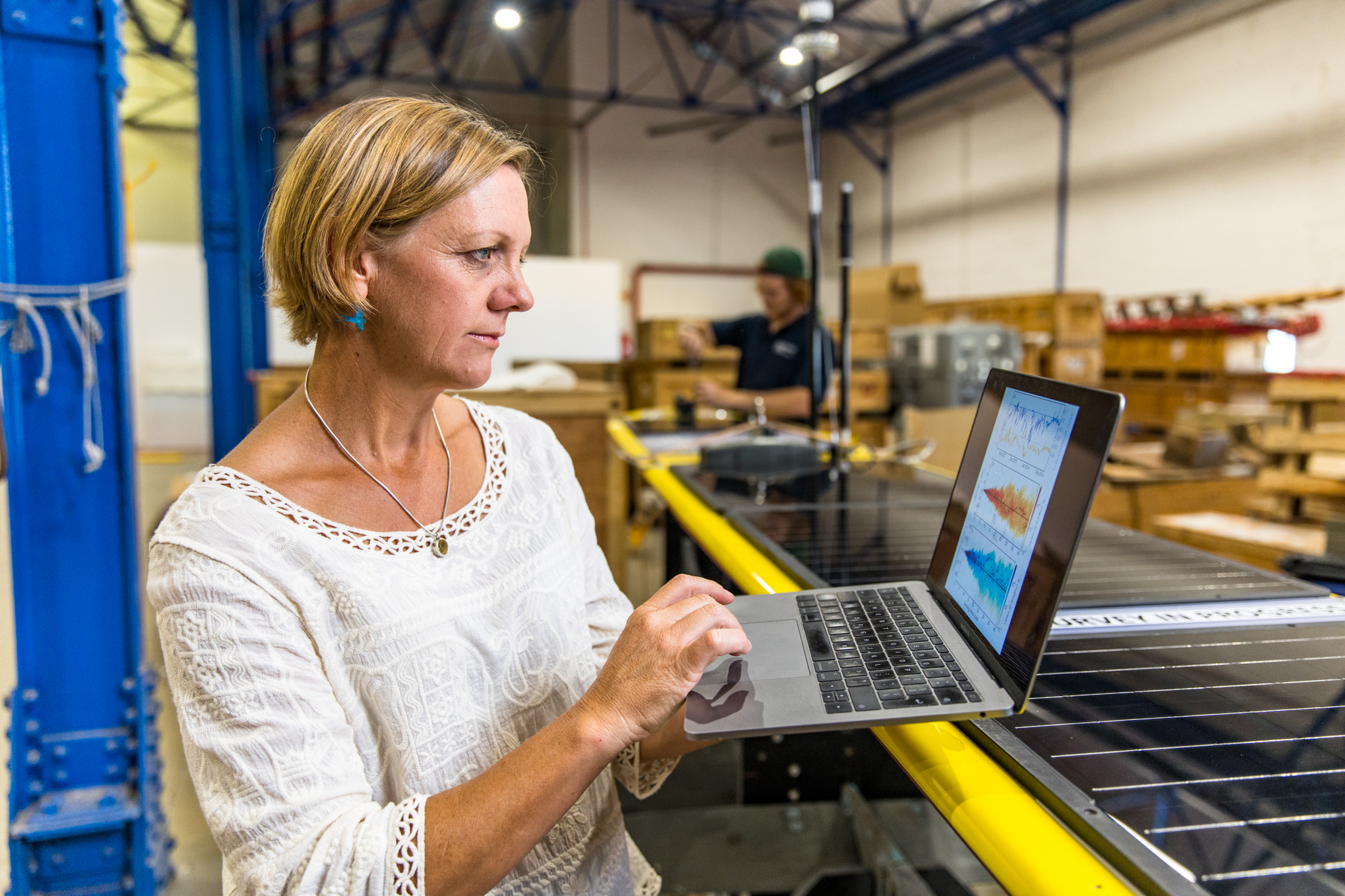
When glacial forces align. Launched on Saturday, 1 August 2026, a consortium of 27 global partner institutions will expand and strengthen Antarctic observing networks, consolidate existing datasets and collect new data through the European Union-funded SYNCHRONY project.
South Africa’s flagship marine science programme, Southern Ocean Carbon-Climate Observatory (SOCCO), funded by the Department of Science, Technology and Innovation and hosted by the CSIR, will contribute over a decade of Southern Ocean glider observations through the compilation, quality control and integration of historical glider datasets into the coordinated observing system. Building on its leadership in observational data products, SOCCO will apply its Southern Ocean phenology (Nicholson et al., 2025), net primary production (Ryan-Keogh et al., 2023) and air–sea carbon dioxide (Gregor et al., 2019) products to investigate compound and extreme events in sea ice-influenced regions. These observational products will also be used to evaluate how well Earth System Models represent key Southern Ocean processes, variability and long-term trends, helping to identify model deficiencies and improve confidence in future climate projections.
The Southern Ocean and the Antarctic continental shelf form a key polar region defined by deep continental shelves, floating ice shelves and strong circumpolar currents that drive global ocean circulation. This interconnected system regulates Earth's climate by absorbing heat and carbon dioxide while generating dense bottom water. However, it has undergone significant changes over the past several years. Sea ice cover, for example, is declining dramatically, large sections of the West Antarctic Ice Sheet are being lost and deep-water formation appears to be declining.
The interaction between the Southern Ocean and the Antarctic continental shelf creates critical climate vulnerabilities, driven by subsurface ocean warming, sea-ice loss and the destabilisation of marine ice sheets.
“It is an incredible accomplishment that African scientists are playing a leading role in producing global research on the Southern Ocean,” says Dr Sandy Thomalla, chief scientist and Research Group Leader of SOCCO at the CSIR. “The cross-border collaboration made possible through the SYNCHRONY project will enable us to predict anticipated changes, sustain long-term data observations and ensure that South Africa’s Antarctic research continues to grow at the same pace as that of other countries. This will help inform policy, support decision-making and align research with national and global priorities.”
“By turning decades of satellite data into ecosystem indicators, we will be able to detect not only how the Southern Ocean is changing but also where. This will help us to point decision-makers toward the most vulnerable areas in need of safeguarding,” Thomalla adds.
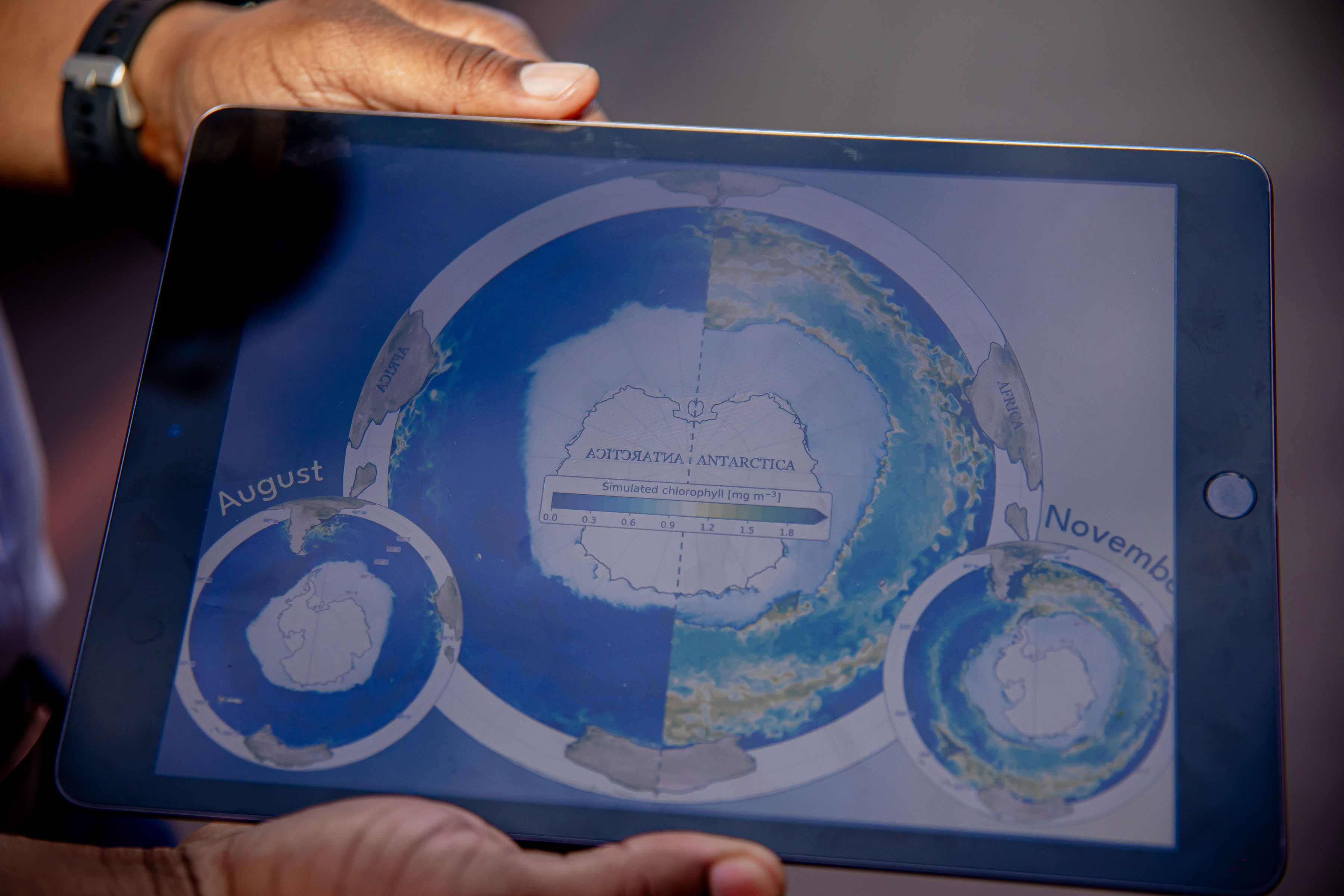
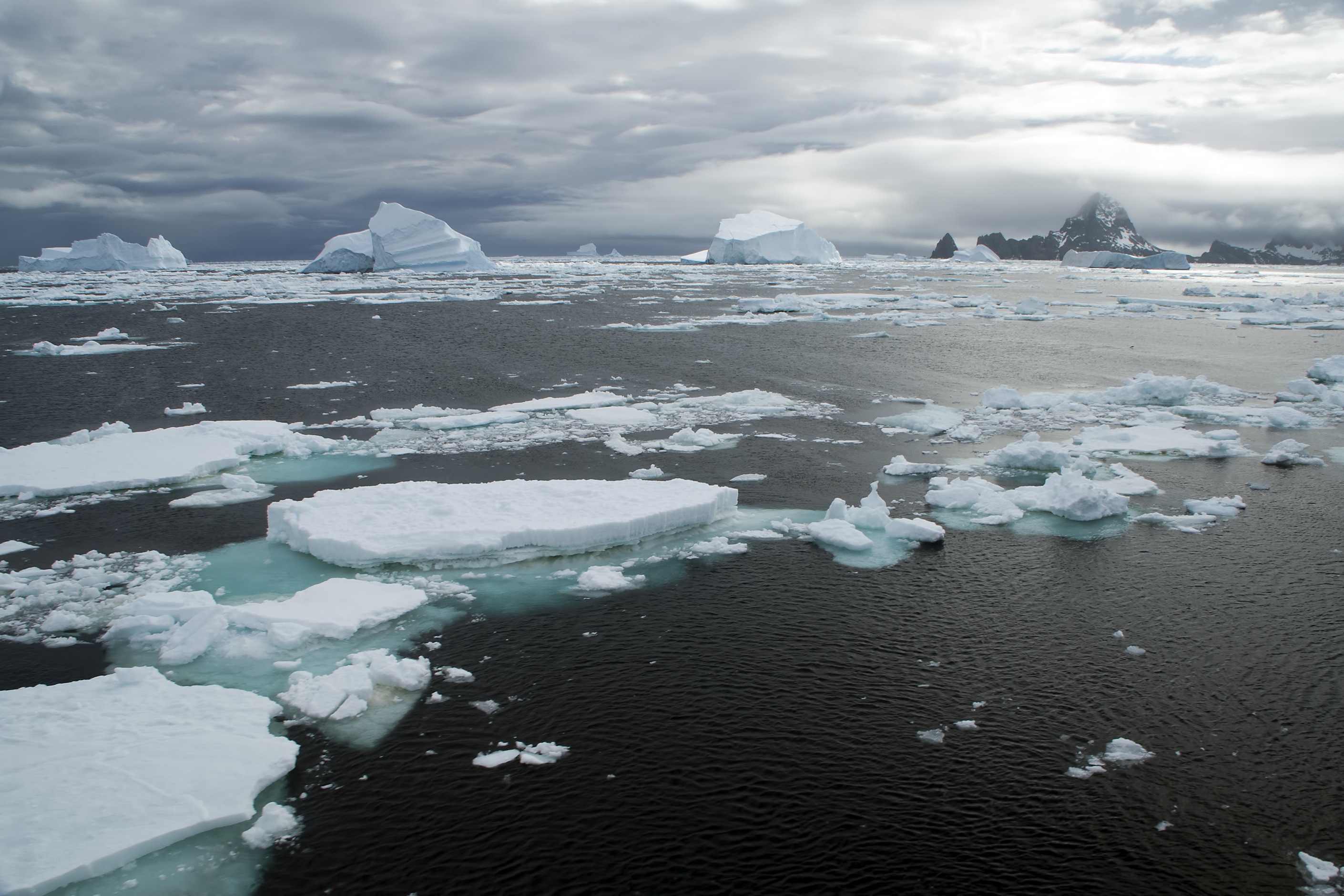
At the bottom of the world, where turbulent waters swirl, the Southern Ocean is a vital engine of global climate regulation. It absorbs 75% of the excess planetary heat and about 40% of human-generated carbon dioxide.
“SYNCHRONY will expand and improve Antarctic observing networks, consolidate existing datasets, collect new data and make these resources more accessible to the international research community. It will mark an important milestone towards a comprehensive polar observing system. The resulting knowledge will improve our understanding of the rapid changes taking place in the region and make them more predictable,” says Prof. Stefanie Arndt, Head of the Alfred Wegener Institute – University of Hamburg Joint Research Group on snow research on Antarctic sea ice (SNOWflAke) and co-principal investigator of the project.
“This action-oriented knowledge will also provide an important basis for policy decisions on protecting the climate and biodiversity of the Southern Ocean and will support international intergovernmental bodies, the European Green Deal and the European Ocean Pact.”
The official AWI SYNCHRONY project media statement is available here.
Published 6 August 2026