The Global Environment Facility-funded Plastic Reboot project, which aims to reduce the amount of plastic waste generated and leaked into the environment from the food and beverage sector, has officially kicked off in South Africa.
Plastic Reboot is a global programme implemented in 15 countries, including South Africa, to reduce plastic pollution through upstream and midstream interventions in the food and beverage sector.
In South Africa, the project is implemented by the United Nations Industrial Development Organisation, executed by WWF South Africa in partnership with GreenCape and the CSIR and supported by the Department of Forestry, Fisheries and the Environment.
“Packaging and single-use plastic products used in the food and beverage sector contribute significantly to the plastic pollution crisis. Plastic Reboot aims to reduce plastic pollution through circular systems focused on rethinking how plastic packaging and products are designed to better enable the reduction, reuse and recycling of plastics,” says CSIR principal environmental economist, Anton Nahman.
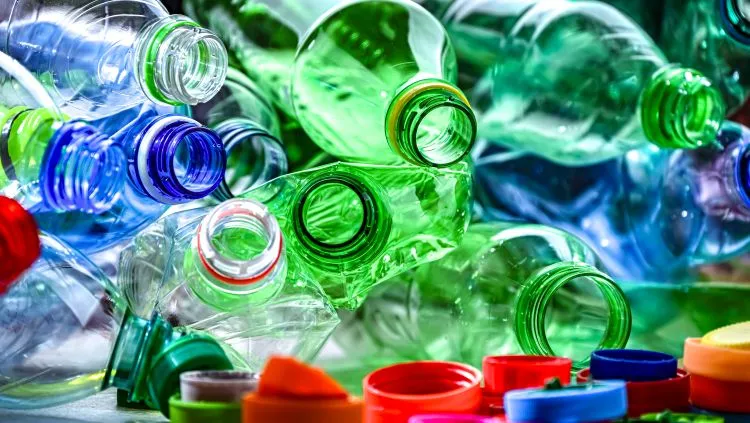
The CSIR team leads a critical component of the initiative focused on knowledge sharing and capacity building. This includes the development of a knowledge hub that will serve as a centralised portal for information on circularity in plastic packaging and products. The team will also develop a glossary to improved understanding and alignment on terminology among stakeholders, as well as standardised metrics for measuring and monitoring the effectiveness of circular solutions in reducing plastic pollution.
Collecting accurate data is key to tracking the movement of plastic materials through the economy and enabling improved policy and decision-making. “The CSIR is proud to be a partner in the Plastics Reboot project,” says Nahman. “Our role is to facilitate improved knowledge sharing and learning activities to support and embed the circular economy approach and to develop harmonised metrics and measurement methodologies that will enable improved data for more coherent decision-making.” These efforts will support government and industry in making better-informed decisions to tackle the plastic pollution crisis.
The development of a digital knowledge hub is an indispensable component of the project, as it will bring together fragmented information on circular economy interventions and plastic pollution, improve implementation efficiency and ensure that critical insights are preserved and accessible.
Plastic Reboot also recognises the circular economy as an opportunity for inclusive economic activity. The project aims to bridge gender gaps and support skills development interventions in ways that create jobs and lead to healthier communities.
Preventing waste before it is generated can also reduce greenhouse gas emissions across the plastic life cycle and avoid air pollution caused by the burning of plastic waste.
“We look forward to working with our partners in supporting the transition towards a thriving, equitable and inclusive circular economy for plastic packaging and short-lived plastic products in South Africa’s food and beverage sector, which will enable improved well-being for society and the environment,” Nahman says.
Published 8 June 2026