Sustainability, circular economy and waste
We provide scientific evidence and decision support to the public and private sectors, aimed at enabling sustainable development. Our focus is on providing evidence-based support for Sustainable Development Goal 12, ensuring sustainable consumption and production patterns and facilitating the transition to a circular economy.
Highlights
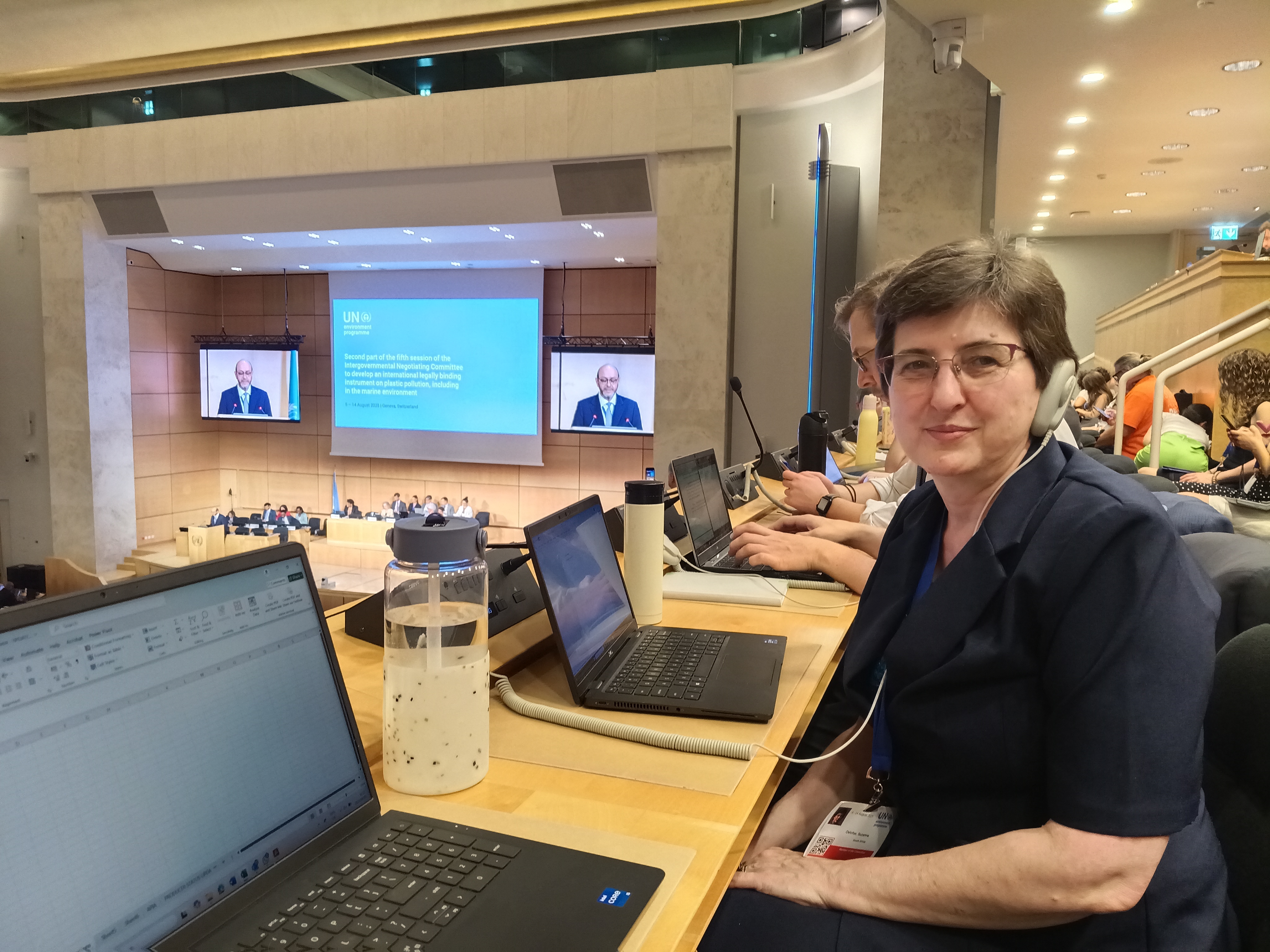
CSIR supports the South African delegation at the Intergovernmental Negotiating Committee 2025
Strong support for urgent and coordinated international action to end plastic pollution across its full life cycle remained at the forefront during the second part of the fifth session of the United Nations Environment Programme Intergovernmental Negotiating Committee (INC 5.2), which took place in August 2025 in Geneva, Switzerland. The South African delegation was led by the Minister of Forestry, Fisheries and the Environment, Dr Dion George, and included the CSIR’s Prof. Suzan Oelofse as the scientific advisor.
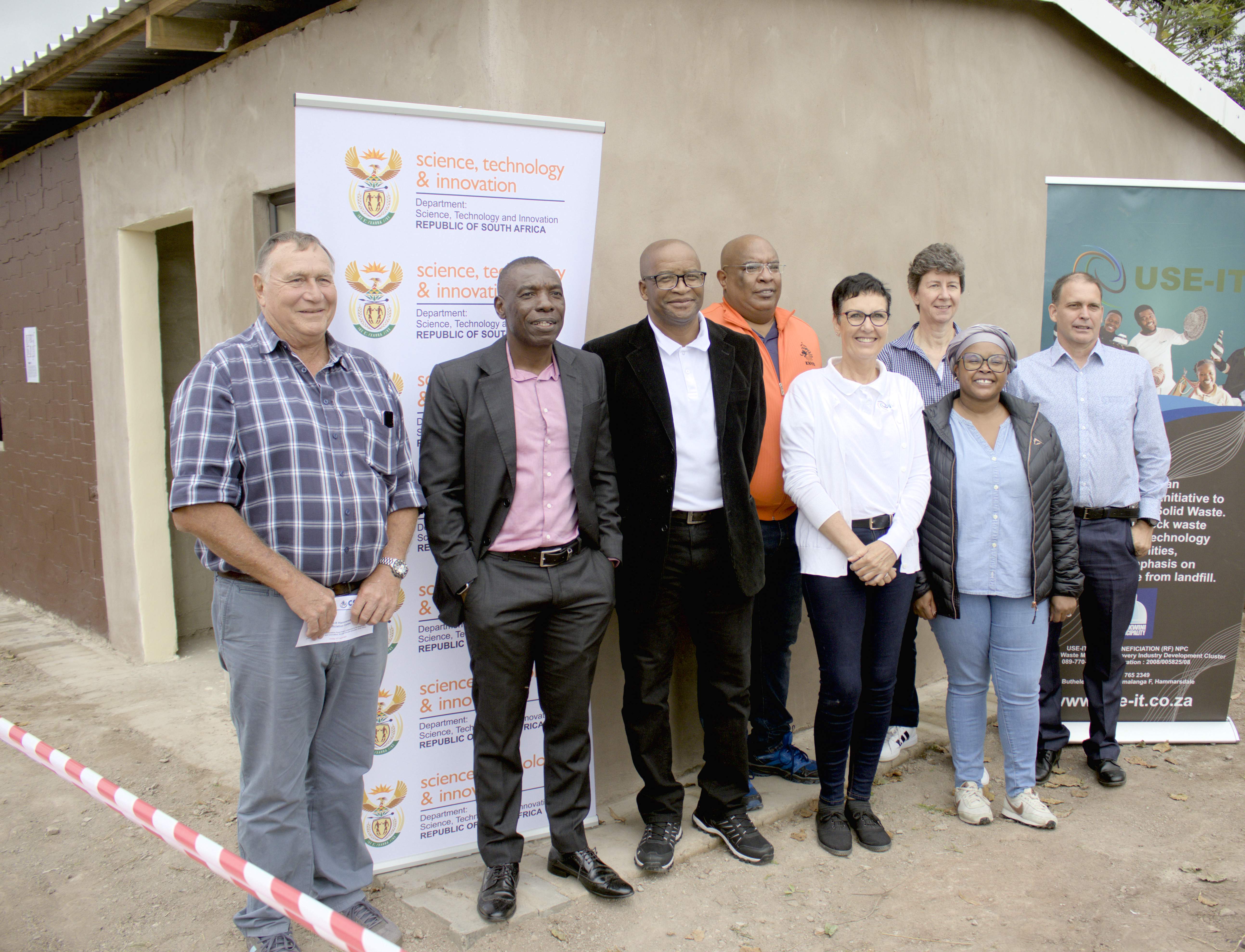
A low-cost sustainable house using an innovative brick made from recycled materials
The CSIR, in collaboration with USE-IT and Key Bricks, hosted a ribbon-cutting ceremony for a low-cost demonstration house constructed using an innovative prototype brick made from 70% recycled materials (glass and construction and demolition waste). The newly developed block offers a sustainable alternative to traditional building materials and is suitable for use in the housing and manufacturing sectors. Additionally, the project is expected to create informal employment opportunities, particularly benefiting women in rural communities. Read more.

Low environmental literacy in South Africa
New research by the CSIR and its partners reveals that climate change denialism looms large in South Africa, with nearly half of the population believing coal to be a renewable energy source. The survey provided insight into the knowledge, attitudes and behaviours of South Africans regarding environmental themes such as climate change, air pollution, litter and waste, oceans and beaches, energy, water and biodiversity. These and other findings were shared in the inaugural Citizens’ Environmental Awareness, Beliefs and Behavioural Preferences In South Africa 2022 Report. Read more.
CSIR guidelines for product life cycle assessment studies
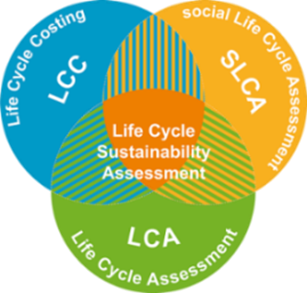
Guidelines for life cycle assessment studies in South Africa are helping producers meet regulatory and export market requirements for their products. This systematic approach facilitates the evaluation of the environmental impacts of a product throughout its entire life cycle, from extraction of raw materials through to final disposal and can support the transition to a circular economy. Read more.
Ending plastic pollution through local interventions
Plastic production is growing at a rate of 2.8% per annum globally, which could triple by 2060 if no action is taken to reduce it. The CSIR’s Prof. Suzan Oelofse says research into the sources, impacts and possible solutions to the plastics dilemma is gaining momentum. Read more about her talk as a guest of the University of South Africa’s Department of Geography. Her lecture focused on the global challenge of ending plastic pollution through local interventions.
Our capabilities
We are an inter-disciplinary team, offering a diverse range of skills and capabilities.

Systems analysis and modelling
Identification and evaluation of social-ecological system risks
Assessing of systemic risks to supply chains and value chains
Support for risk management and enhanced resilience
-
Life cycle assessment (LCA), including ISO-compliant studies, Product Environmental Footprint (PEF) studies, studies aimed at meeting Environment Product Declaration (EPD) or Extended Producer Responsibility (EPR) requirements, screening studies or comparative studies
Life cycle sustainability assessment (LCSA)
Water and carbon footprinting
Material flow analysis (MFA)
Economic valuation of social and environmental impacts (externalities)
Cost-benefit analysis
Economics of environmental policy
Techno-economic feasibility assessment
Policy analysis
Scenario analysis
Multi-criteria decision analysis
Our offerings
We apply our capabilities to a broad range of contexts and sectors. Some of our main areas of focus are outlined below
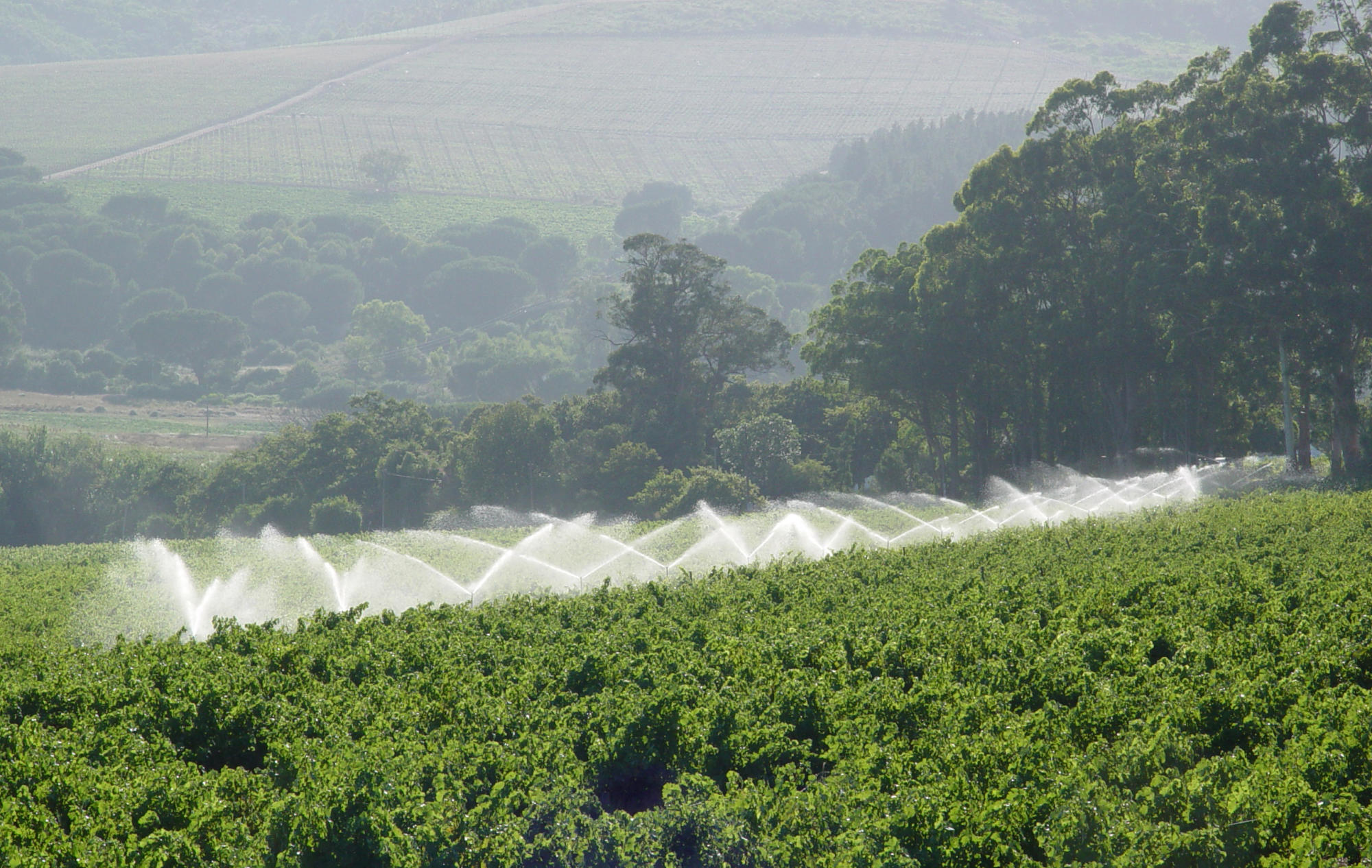
Providing decision support to enable sustainable agriculture and food supply systems, including green, circular and regenerative agricultural practices.
Assessing renewable and other alternative energy systems (including bio-energy, waste-to-energy and hydrogen) from a sustainability perspective.
Our recent work has focused on providing evidence to address plastic pollution and inform the transition to a circular economy. This includes:
- Quantifying the impacts of plastic throughout its life cycle, including at end of life (e.g., through LCA and economic impact studies)
- Assessing the effectiveness of alternative intervention strategies to address plastic pollution
- Informing roadmaps and action plans for a circular plastics economy
To find out more, visit the #SolvePlasticsAfrica hub at www.csir.co.za/SolvePlasticsAfrica.
- Waste governance – development, assessment and review of legislation, policy and regulations
- Waste characterisations
- Waste data and information
- Assessing waste behaviour and behavioural change interventions
- Economics of waste management
- Assessing waste beneficiation opportunities
Supporting the transition towards sustainable tourism.
Our track record and impact
Sustainability of rural tourism products in South Africa
The CSIR collaborated with the University of Venda on a research project funded by the Department of Tourism to develop a sustainability framework to assist rural tourism products in assessing and planning for sustainability.
Transformation of the South African tourism value chain: towards sustainable, resource efficient and inclusive growth post Covid-19
The CSIR conducted a study to understand the systemic relationships among all service providers in the rural tourism value chain to identify interventions that could transform the value chain so that its growth path post-Covid-19 is sustainable, resource-efficient and inclusive.
Towards understanding the impact of marine plastic Debris on ecosystem services and the economy in South Africa
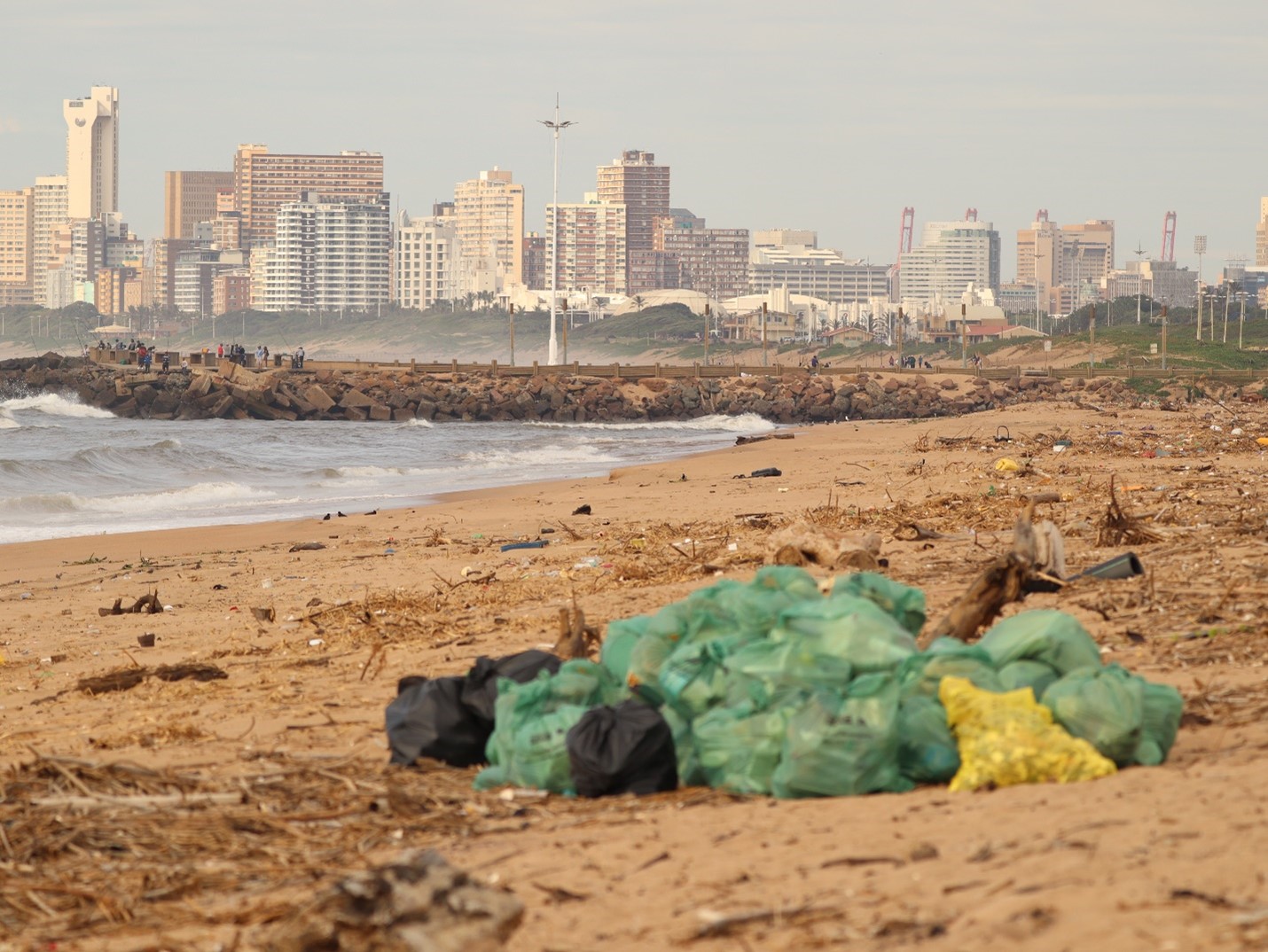
This study provides a preliminary estimate of the costs associated with the effects of plastic pollution on ecosystem services, direct damage to affected industries and clean-up costs, as well as an overall estimate of the economic impact of marine plastic debris in South Africa.
Reducing plastic pollution: A comprehensive, evidence-based strategy for South Africa based on the application of the pathways tool
The Pathways tool, which evolved from The Pew Charitable Trusts’ 2020 report “Breaking the Plastic Wave”, is a modelling framework and software tool developed by Prof. Richard M. Bailey (University of Oxford) in partnership with The Pew Charitable Trusts. With funding from the Department of Science, Technology and Innovation, the tool has been used by the CSIR in South Africa, marking the first time it has been applied at a national level in any country.
Informing decisions on single-use plastic carrier bags in South Africa: Evidence from a life cycle sustainability assessment
A Life Cycle Sustainability Assessment of alternative options for grocery carrier bags in South Africa was conducted, comparing standard single-use plastic carrier bags with several alternatives, including reusable bags and bags made from different materials, regarding their environmental and socioeconomic performance across the product life cycle.
Supporting the transition from conventional plastics to more environmentally sustainable alternatives
This project, funded by the Government of Japan and implemented through the United National Industrial Development Organisation, was undertaken through a partnership between the CSIR and the University of the Witwatersrand to support South Africa’s transition from conventional plastics to more environmentally sustainable alternatives.
Advancing Circular Economy in South Africa: Barriers, opportunities and recommendations for advancing circularity in plastic packaging and single-use plastic products
The World Bank Group appointed the CSIR to conduct a study to map and assess existing activities around the circular economy of plastics in South Africa and to support the South African Government in developing a roadmap to advance the circularity of plastics.
Incentives for municipalities to divert waste from landfills in South Africa
This study aimed to understand the root causes for the dominance of landfilling as a waste management option in South Africa and to identify relevant solutions for increasing the diversion of waste from landfills towards alternative waste management options.
Municipal waste separation at source: implementation guideline
This project pilot evaluated the roll-out of waste separation at source in two communities (middle- to high-income and low-income) in the Newcastle Municipality in KwaZulu-Natal. It provided expert advice and documented the lessons learned. The project culminated in the development of a guideline derived from the pilot study, which other municipalities can use to learn from Newcastle’s experiences and replicate similar systems elsewhere.
The SASCOST Model: A decision support tool for implementing municipal waste separation at source
The CSIR has developed a Decision Support Tool to assess the costs and benefits of alternative approaches to implementing municipal waste separation at source, including financial costs and benefits and socioeconomic and environmental impacts. The tool can be used by municipal waste management departments (and their service providers or private waste management companies) to inform decisions regarding how best to implement source separation from an integrated economic, social and environmental perspective, depending on their unique context.
Municipal waste management: good practice toolkit
The CSIR-developed Municipal Waste Management – Good Practices Toolkit showcases initiatives by South African municipalities that have resulted in improvements in community waste management. The toolkit highlights initiatives that have successfully overcome common challenges, which could be replicated in other municipalities facing similar challenges. The focus is specifically on good practices for domestic and commercial waste.
South African municipal waste management systems: challenges and solutions
South Africa’s Department of Forestry, Fisheries and the Environment, the CSIR and the United Nations Environment Programme International Environmental Technology Centre partnered to enhance municipal solid waste management in South Africa. During this collaboration, challenges and system failures within local municipalities were identified and potential solutions were investigated to inform the implementation of interventions. The South African Municipal Waste Management Systems: Challenges and Solutions report summarises the findings.
Increasing reliable, scientific data on food loses and waste in South Africa
Food loss and waste are issues of global concern, with one-third of all food produced for human consumption estimated to be lost or wasted. This study supports South Africa’s domestication of Sustainable Development Goal 12.3 by generating local, reliable scientific data and evidence on food losses and waste across the food supply chain and different food types. A Food Waste Prevention & Management Guideline for South Africa has also been developed.
Municipality capability and partnership programme: Collaborating for service delivery and development impact
The CSIR is the implementing partner for the Municipal Capability and Partnership Programme. With a focus on strengthening municipal governance capability, the CSIR enables the collaboration between industry and government stakeholders to support service delivery and sustainable development.
CSIR offering: Evidence-based solutions to plastic pollution in Africa
#SolvePlasticsAfrica is the CSIR’s Science, Technology and Innovation Hub aimed at providing evidence-based solutions to address plastic pollution in Africa through various modelling capabilities.
Quantifying the cost of food waste in South Africa
While food waste consists of edible and inedible components, the economic, social and environmental costs of food waste are being increasingly recognised. The CSIR-developed equation will help municipalities, government officials and private businesses conducta complete assessment of the total cost of food waste in South Africa.
Green economy solutions for the City of Joburg
A CSIR research team is determining innovative solutions for the City of Johannesburg’s marginalised land, with a focus on low-carbon development zones. These include waste-to-energy initiatives and renewable-energy-powered mass transport systems to establish sustainable, low-carbon development pathways.
Steering towards a green economy: A reference guide
The CSIR-developed guide, Steering towards a Green Economy, provides an introduction to green economy concepts, ideas and actions that will help reorient the economy towards a more inclusive, resource-efficient and low-carbon development pathway. The guide was created to provide a concise understanding of the green economy and to relate this to South Africa’s unique development context.
A green economy project design and implementation framework for agriculture
The CSIR has developed a green economy project design and implementation framework for the agricultural sector. The framework aims to assist the South African agricultural sector in implementing projects that adhere to the principles and requirements of a green economy.
Resources
Sustainability, Circular Economy and Waste Research at the CSIR
Advancing circular economy in South Africa
Supporting the transition from conventional plastics
Reducing plastic pollution a comprehensive evidence-based strategy
Life Cycle Assessment at the CSIR our service offering
The economic impact of marine plastic in South Africa summary of results
Life Cycle Assessment of grocery bags in South Africa
Driving economic growth in South Africa
Life Cycle Assessment of polystyrene takeaway packaging
Best practice guideline for conducting Life Cycle Assessment (LCA) studies in South Africa