Sustainability, circular economy and waste
We provide scientific evidence and decision support to the public and private sectors, aimed at enabling sustainable development. Our focus is on providing evidence-based support for Sustainable Development Goal 12, ensuring sustainable consumption and production patterns and facilitating the transition to a circular economy.
Contact information:
Highlights
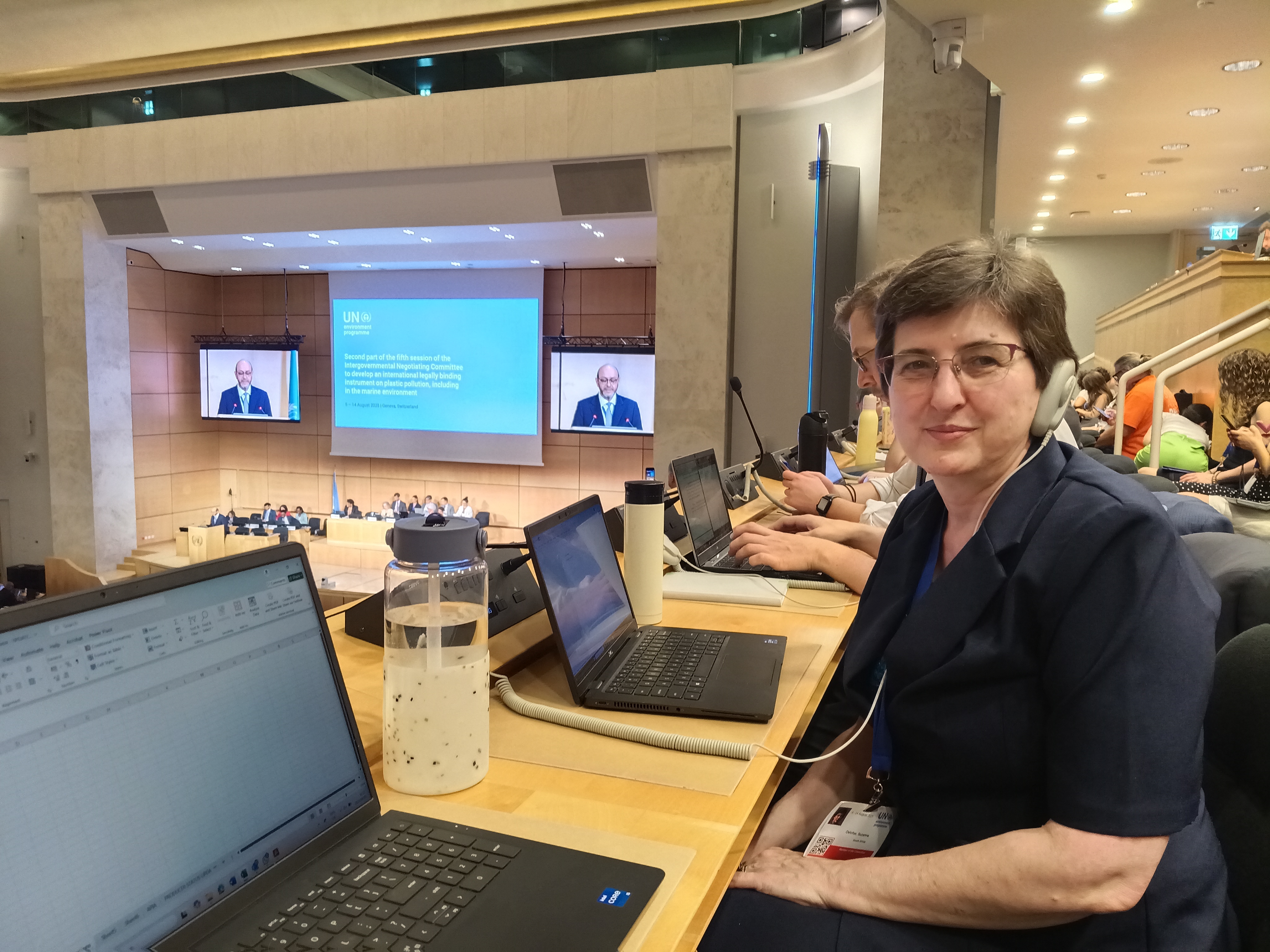
CSIR supports the South African delegation at the Intergovernmental Negotiating Committee 2025
Strong support for urgent and coordinated international action to end plastic pollution across its full life cycle remained at the forefront during the second part of the fifth session of the United Nations Environment Programme Intergovernmental Negotiating Committee (INC 5.2), which took place in August 2025 in Geneva, Switzerland. The South African delegation was led by the Minister of Forestry, Fisheries and the Environment, Dr Dion George, and included the CSIR’s Prof. Suzan Oelofse as the scientific advisor.
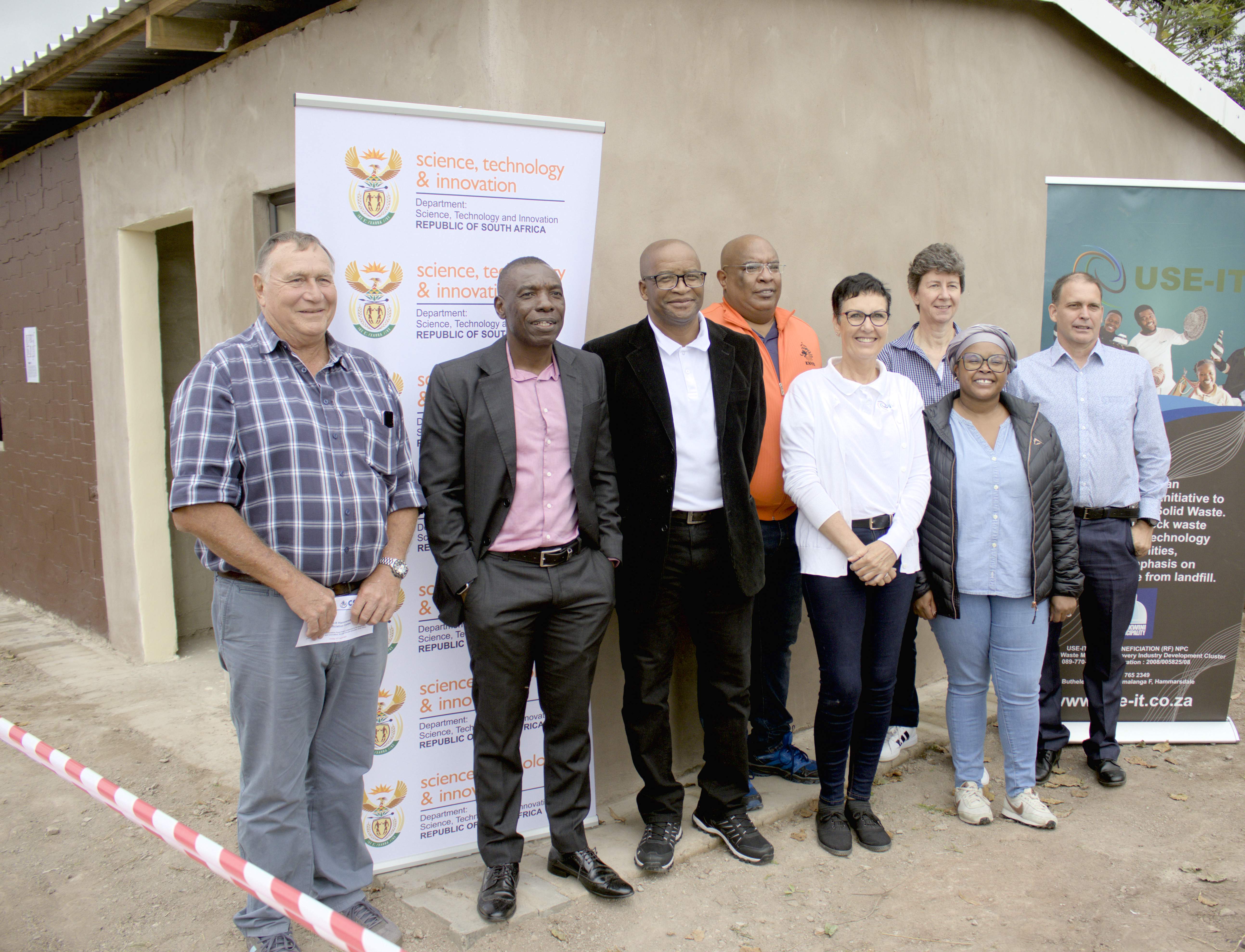
A low-cost sustainable house using an innovative brick made from recycled materials
The CSIR, in collaboration with USE-IT and Key Bricks, hosted a ribbon-cutting ceremony for a low-cost demonstration house constructed using an innovative prototype brick made from 70% recycled materials (glass and construction and demolition waste). The newly developed block offers a sustainable alternative to traditional building materials and is suitable for use in the housing and manufacturing sectors. Additionally, the project is expected to create informal employment opportunities, particularly benefiting women in rural communities. Read more.
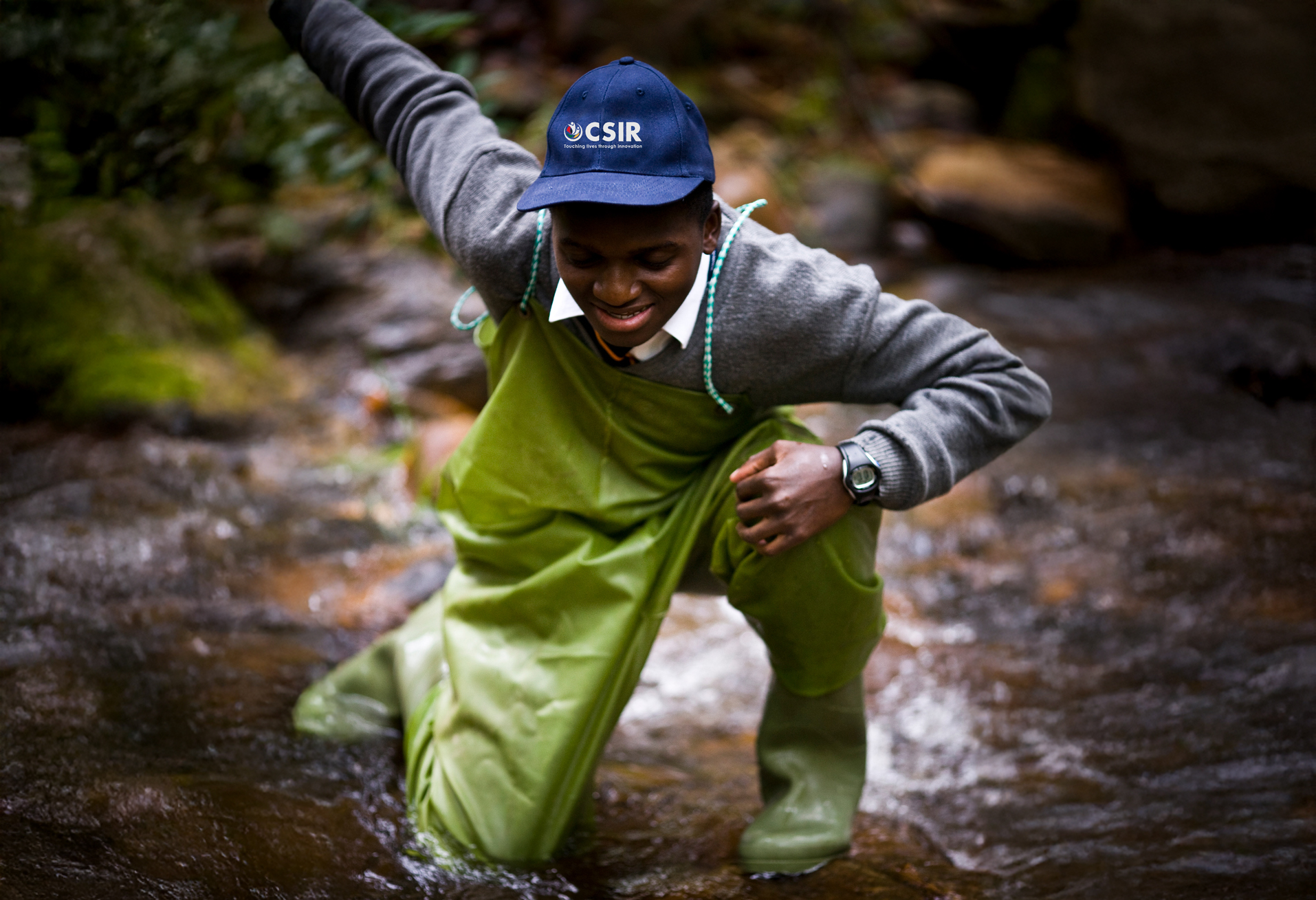
Low environmental literacy in South Africa
New research by the CSIR and its partners reveals that climate change denialism looms large in South Africa, with nearly half of the population believing coal to be a renewable energy source. The survey provided insight into the knowledge, attitudes and behaviours of South Africans regarding environmental themes such as climate change, air pollution, litter and waste, oceans and beaches, energy, water and biodiversity. These and other findings were shared in the inaugural Citizens’ Environmental Awareness, Beliefs and Behavioural Preferences In South Africa 2022 Report. Read more.
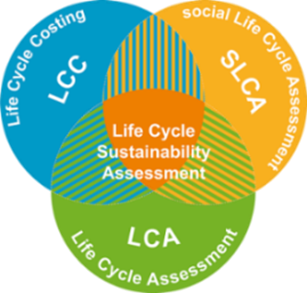
CSIR guidelines for product life cycle assessment studies
Guidelines for life cycle assessment studies in South Africa are helping producers meet regulatory and export market requirements for their products. This systematic approach facilitates the evaluation of the environmental impacts of a product throughout its entire life cycle, from extraction of raw materials through to final disposal and can support the transition to a circular economy. Read more.

Ending plastic pollution through local interventions
Plastic production is growing at a rate of 2.8% per annum globally, which could triple by 2060 if no action is taken to reduce it. The CSIR’s Prof. Suzan Oelofse says research into the sources, impacts and possible solutions to the plastics dilemma is gaining momentum. Read more about her talk as a guest of the University of South Africa’s Department of Geography. Her lecture focused on the global challenge of ending plastic pollution through local interventions.
Our capabilities
We are an inter-disciplinary team, offering a diverse range of skills and capabilities.

Our offerings
We apply our capabilities to a broad range of contexts and sectors. Some of our main areas of focus are outlined below