Smart water resource management
We focus on innovative assessment, testing and monitoring of water resources. Our aim is to mitigate water quality challenges by providing specialised analysis of bacteria, parasites, viruses, ecotoxicity, emerging and non-conventional pollutants, Persistent Organic Pollutants, pharmaceuticals and nano-pollutants.
Contact information:
Highlights
CSIR rules out Tshwane’s water system as a source of typhoid surge
The recent surge in typhoid fever cases in parts of the City of Tshwane is unlikely to have been caused by treated drinking water supplied by the municipality and was more likely driven by exposure to untreated raw or river water, or by other environmental or behavioural factors. This was the finding of CSIR microbiologists who assisted the City of Tshwane with targeted water quality investigations in Hammanskraal, Pretoria.
AWSISA Dialogue reveals global collaboration is essential for water and sanitation security
The CSIR Water Research Centre joined Africa and the Global South’s leading voices at this year’s Association of Water and Sanitation Institutions of South Africa (AWSISA) Dialogue, where the Department of Water and Sanitation reaffirmed its commitment to accelerating equitable and sustainable access to water and sanitation services across South Africa. Delegates from across the world convened to share critical insights on water and sanitation issues.
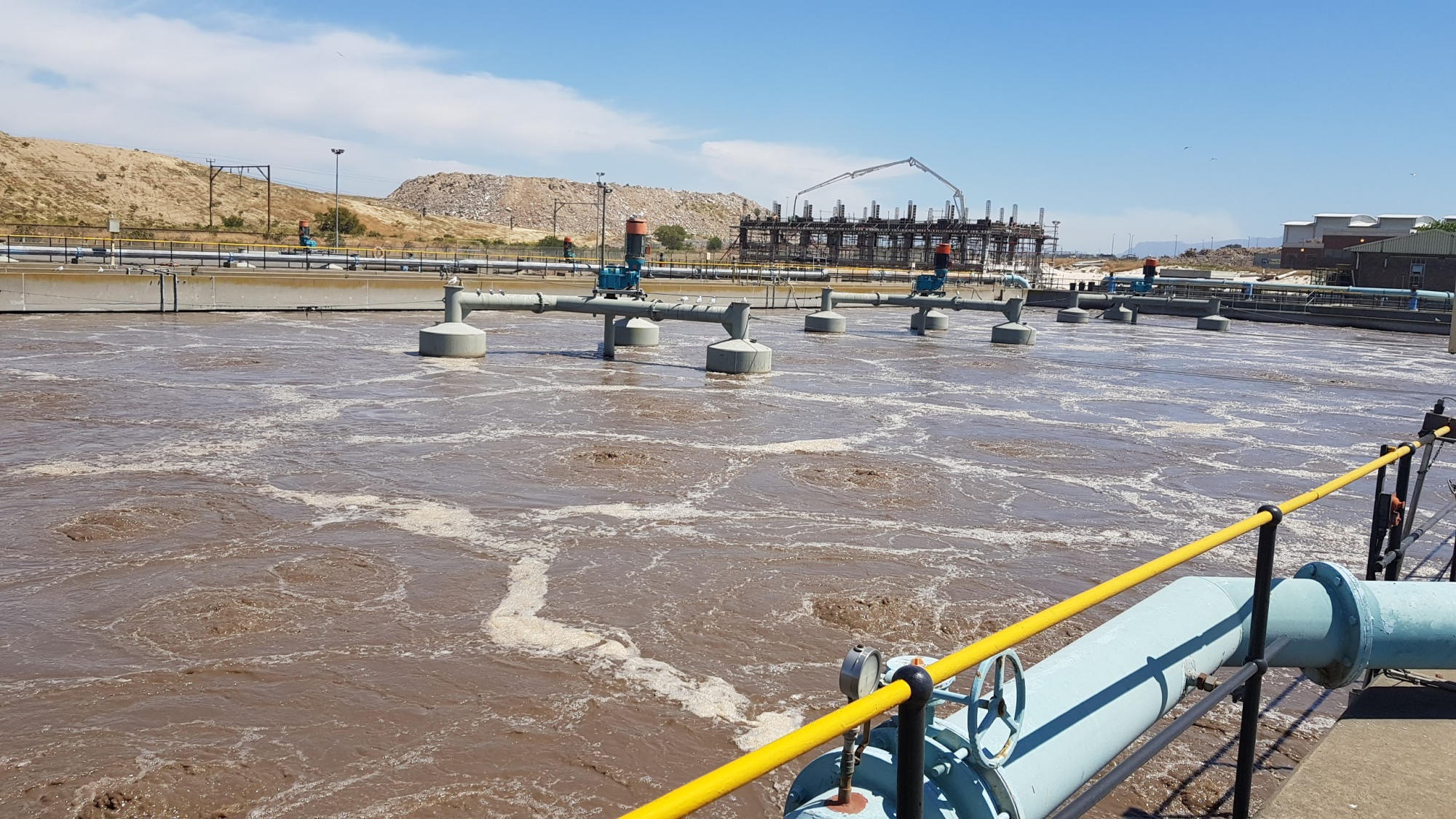
CSIR continues to invest in research of low-cost wastewater treatment, but calls for additional funding to improve water supply
The CSIR is calling for more funding to be directed to water research and technologydevelopment to strengthen South African municipalities’ wastewater treatment processes and maintenance, as well as build new treatment plants. During National Water Week 2022, the CSIR highlighted several achievements in developing and deploying technologies that support access to safe, high-quality water across the country.
Our capabilities
Microbial and chemical analytical methods development and validation
River health assessment (biomonitoring)
Ecotoxicological assessment of effluents
Water resources, bodies and courses quality monitoring
Sed do eiusmod tempor incididunt ut labore et dolore magna aliqua.
Public health impact assessment: water-borne disease tracking
Decision-support tools for bulk wastewater re-use - guidelines development
Scientific contribution to the development of regulatory frameworks for emerging pollutants (e.g., nano-based water pollutants)
Sludge management
Comprehensive surface water resource monitoring and assessment techniques
Hydrological modelling
Hydrogeological assessments and monitoring techniques
Agricultural and future water-use measurement and modelling water-use validation and verification
Our research
Our research services are available to mining, agriculture, industry and municipalities where we conduct water resource assessments and develop surface and groundwater decision-support tools and assessment techniques that promote water-mix and smart water use in the public and private sectors. These include hydrological decision-support systems, catchment-wide surface and groundwater analysis, water resource assessments, water-use verification and validation and water quality management. Our experts provide knowledge, innovation, technology development, skills and services to support water-mix and improve the supply and demand management of water through effective water resources planning and water-use auditing.
Our facilities
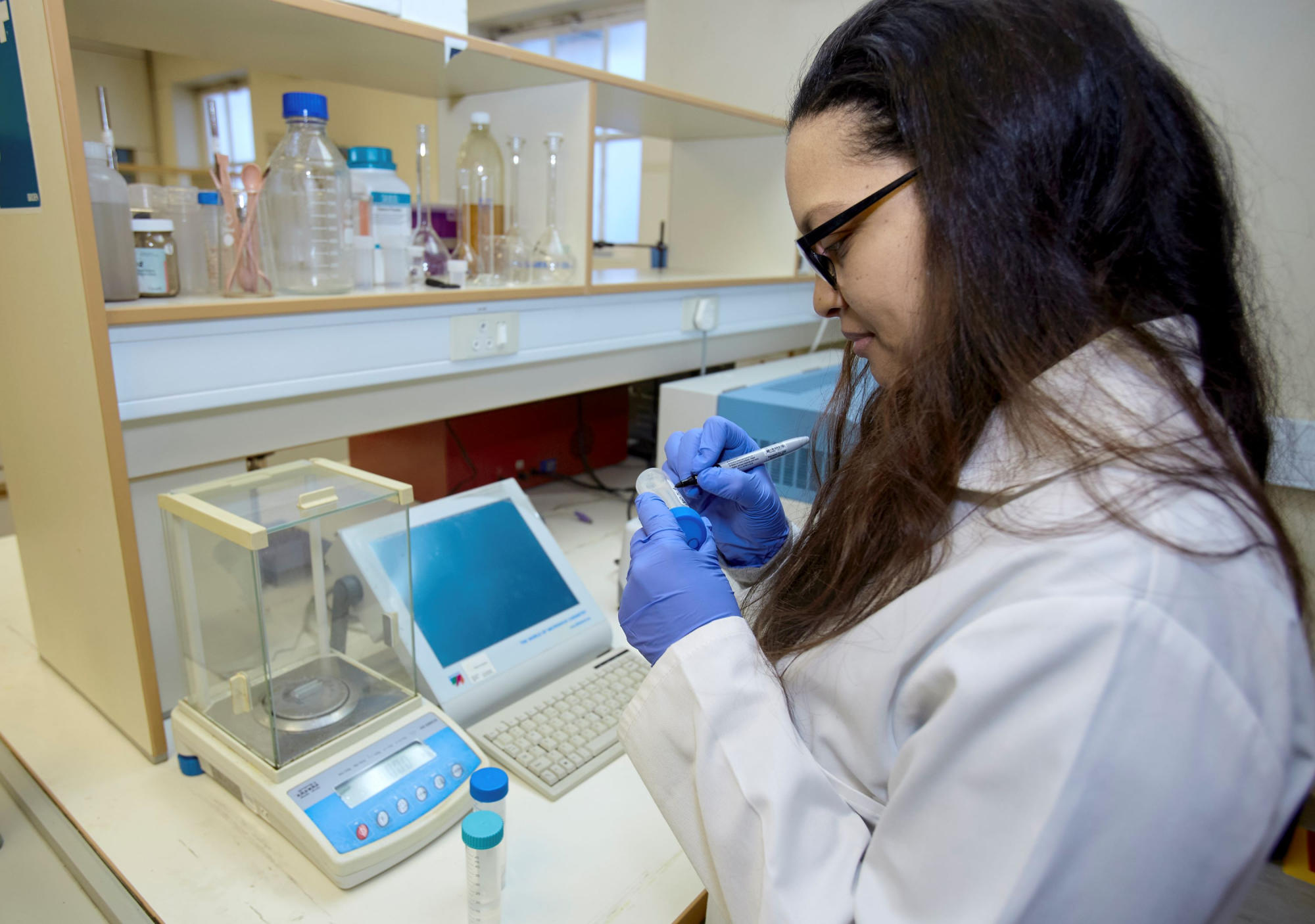
Water and microbiology research laboratory
This facility conducts key research on the presence of microorganisms in water and its impact on human health through defining, understanding, controlling, predicting, mitigating and planning risks associated with pathogenic water-borne microorganisms. In addition, we investigate the beneficial use of microbes in bioremediation to optimise ecosystem services provisioning in aquatic environments.
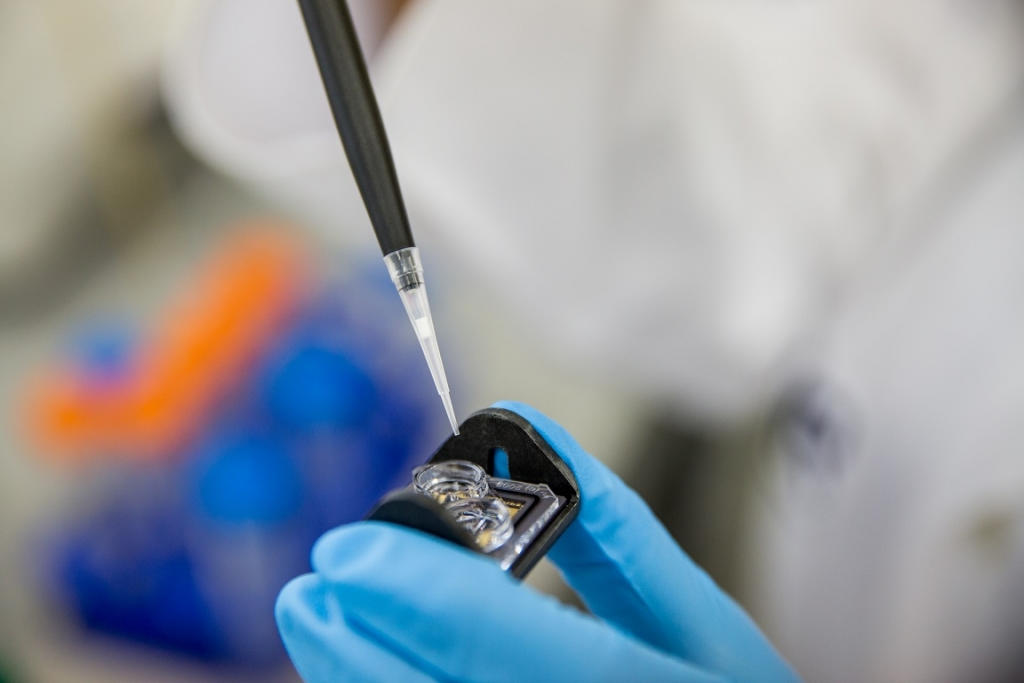
Microbiology and parasitology laboratory
Microbiological analysis is conducted at this laboratory, where micro-organisms and their growth are detected and isolated. Water samples are examined for detecting and quantifying protozoan parasites (Giardia and Cryptosporidium) in drinking water.
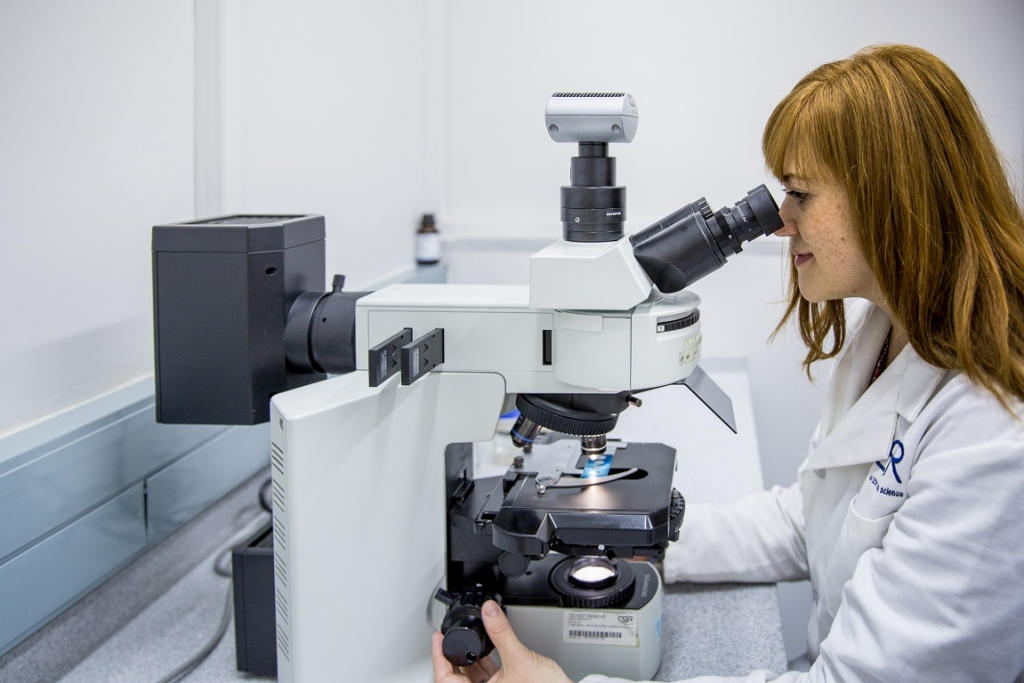
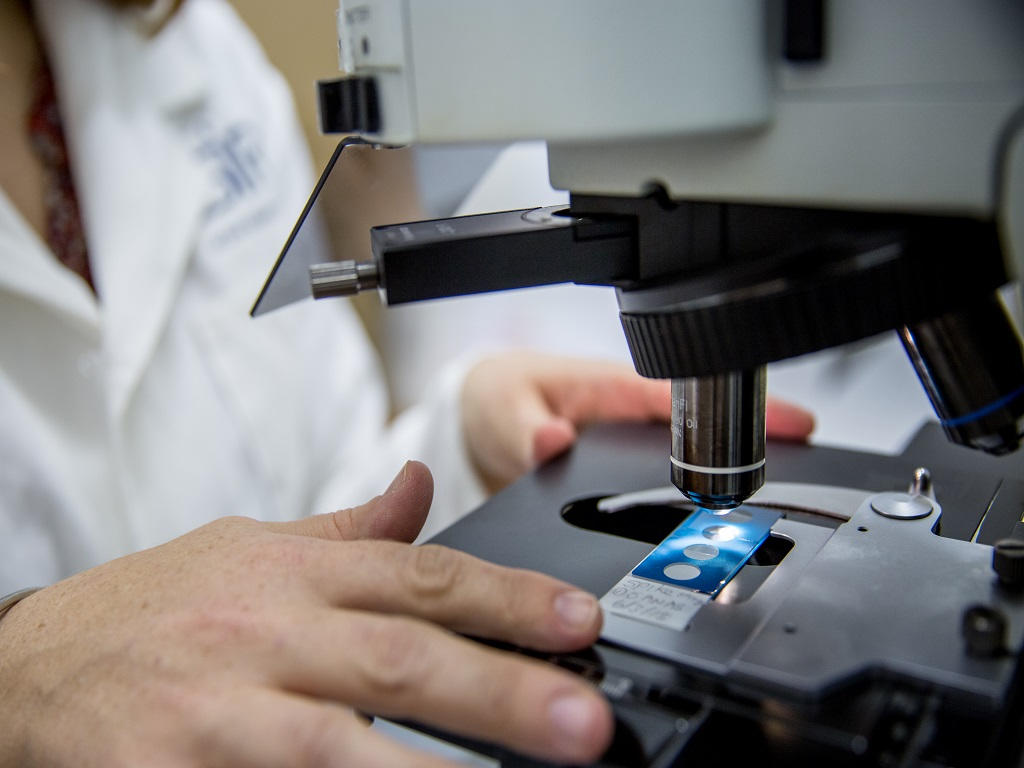
Microscopy room
Light and fluorescence microscopy processes are performed in this facility, allowing our experts to the visualise and quantify certain bacterial and protozoan organisms.
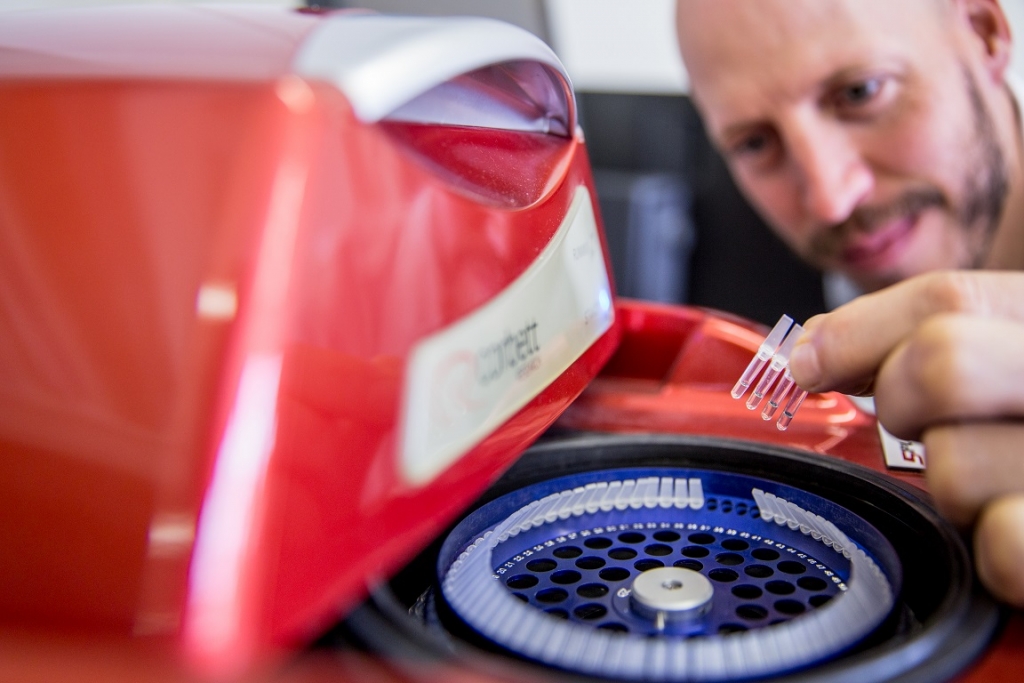
Preparation room (Molecular techniques)
This ‘DNA (deoxyribonucleic acid) and RNA (ribonucleic acid)-free’ room is used during preparation for molecular techniques that are highly sensitive to contamination, for instance, polymerase chain reaction.
Virus concentration laboratory
Viruses are significantly smaller than other groups of microorganisms and require ultra-filtration under positive pressure, as opposed to filtration performed with negative (suction) pressure. This facility allows these processes to be meticulously carried out. The integrity of samples is maintained by keeping them at low temperatures while being filtered to prevent the degradation of viral RNA.
Resources
CSIR water and waste infrastructure research group
The main resource for details on how we are delivering solutions to challenges within the water and wastewater infrastructure space.